Biofuels and bioprospecting for beginners - Craig A. Kohn
Key Takeaways
This video teaches about biofuels and bioprospecting for beginners, including their benefits and applications
Full Transcript
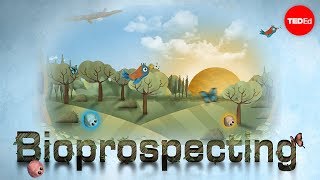
[Music] your car the heating system in your house your gas stove most of the energy you use comes from fossil fuels which present a couple of problems first there are limited supplies of fossil fuels so the more we use the less we've got and second the use of fossil fuels is the main cause of climate change because it releases large amounts of carbon dioxide into the atmosphere biofuels come from natural renewable sources like plants so they have the potential to reduce our Reliance on those limited Supply fossil fuels and reduce the risk of climate change most biofields today are made from corn grain that is fermented into ethanol but we have a limited supply of this corn so it's not a solution to the limited Supply part of the quandry it also takes a lot of resources to grow corn grain strike two a potential solution using cellulose instead of corn grain to make ethanol cellulose is far more abundant than corn grain and takes less energy to produce in fact it's the most abundant organic molecule on the planet cellulose is the main ingredient found in a plant cell wall plants generate cellulose from water and carbon dioxide during photosynthesis so whereas using fossil fuels produce carbon dioxide using cellulose based ethanol might help remove carbon dioxide from the atmosphere the main obstacle is that the cellulose molecule a long connected chain of glucose sugar protected by a tough molecular sheath is difficult to break apart creating cellulose based ethanol means first unwrapping that protective sheath and then chopping up the cellulose into its individual glucose molecules only once we have unpacked each glucose molecule can we begin fermentation but some microorganisms like bacteria or fungi break down cellulose for energy all the time for example Dairy CS eat foods like hay or alala which are full of cellulose microbes that live in their stomachs produce an enzyme called cellulase which breaks apart the cellulose molecules so that the cow can use what's left for energy researchers are now studying these kinds of microorganisms in the hopes of finding better ways to break down cellulose so we can use it for our own energy needs the solution they think lies in finding microbes in nature that can produce the kinds of cellulose enzymes that we need this process of searching for species in nature that can produce valuable products is called bioprospecting [Music] to test whether or not a sample of microbes can break down cellulose effectively researchers first grow the microbe in a test tube then they add a source of cellulose as the sole form of energy if the microb can't produce cellulase and break down cellulose the test tube will remain unchanged but if the micro produces the enzymes we are looking for it will be able to break down cellulose use it for energy and thrive in its test tube environment if our microbial sample can break down the cellulose in the test tube there is a chance we can use it to create a renewable and sustainable source of fuel for our cars from cellus
Original Description
View full lesson: http://ed.ted.com/lessons/biofuels-and-bioprospecting-for-beginners-craig-a-kohn
Biofuels can provide energy without the reliance on environmentally harmful fossils fuels -- but scientists are still searching for a plentiful source. Craig A. Kohn demonstrates how cellulose, the naturally abundant tough walls of plant cells, might be the solution.
Lesson by Craig A. Kohn, animation by Hache Rodriguez.
Watch on YouTube ↗
(saves to browser)
Sign in to unlock AI tutor explanation · ⚡30
Playlist
Uploads from TED-Ed · TED-Ed · 3 of 60
1
 2
2
 ▶
▶
 4
4
 5
5
 6
6
 7
7
 8
8
 9
9
 10
10
 11
11
 12
12
 13
13
 14
14
 15
15
 16
16
 17
17
 18
18
 19
19
 20
20
 21
21
 22
22
 23
23
 24
24
 25
25
 26
26
 27
27
 28
28
 29
29
 30
30
 31
31
 32
32
 33
33
 34
34
 35
35
 36
36
 37
37
 38
38
 39
39
 40
40
 41
41
 42
42
 43
43
 44
44
 45
45
 46
46
 47
47
 48
48
 49
49
 50
50
 51
51
 52
52
 53
53
 54
54
 55
55
 56
56
 57
57
 58
58
 59
59
 60
60

Weaving narratives in museum galleries - Thomas P. Campbell
TED-Ed
Your brain is more than a bag of chemicals - David Anderson
TED-Ed
Biofuels and bioprospecting for beginners - Craig A. Kohn
TED-Ed
Four sisters in Ancient Rome - Ray Laurence
TED-Ed
The brilliance of bioluminescence - Leslie Kenna
TED-Ed
Animation basics: Homemade special effects - TED-Ed
TED-Ed
Pros and cons of public opinion polls - Jason Robert Jaffe
TED-Ed
Excuse me, may I rent your car? - Robin Chase
TED-Ed
Could tissue engineering mean personalized medicine? - Nina Tandon
TED-Ed
The arts festival revolution - David Binder
TED-Ed
What's an algorithm? - David J. Malan
TED-Ed
Why do fingers become pruney? - Mark Changizi
TED-Ed
What is fat? - George Zaidan
TED-Ed
Reasons for the seasons - Rebecca Kaplan
TED-Ed
Mysteries of vernacular: Inaugurate - Jessica Oreck
TED-Ed
Let's pool our medical data - John Wilbanks
TED-Ed
Science is for everyone, kids included - Beau Lotto and Amy O'Toole
TED-Ed
Making a TED-Ed Lesson: Concept and design
TED-Ed
Making a TED-Ed Lesson: Creative process
TED-Ed
Making a TED-Ed Lesson: Animation
TED-Ed
Is space trying to kill us? - Ron Shaneyfelt
TED-Ed
Put those smartphones away: Great tips for making your job interview count - Anna Post
TED-Ed
What on Earth is spin? - Brian Jones
TED-Ed
Gyotaku: The ancient Japanese art of printing fish - K. Erica Dodge
TED-Ed
Mining literature for deeper meanings - Amy E. Harter
TED-Ed
What doctors don't know about the drugs they prescribe - Ben Goldacre
TED-Ed
Why architects need to use their ears - Julian Treasure
TED-Ed
How do you decide where to go in a zombie apocalypse? - David Hunter
TED-Ed
Tracking grizzly bears from space - David Laskin
TED-Ed
The emergence of drama as a literary art - Mindy Ploeckelmann
TED-Ed
Why democracy matters - Rory Stewart
TED-Ed
Ethical riddles in HIV research - Boghuma Kabisen Titanji
TED-Ed
Mysteries of vernacular: Venom - Jessica Oreck and Rachael Teel
TED-Ed
Mysteries of vernacular: Dynamite - Jessica Oreck and Rachael Teel
TED-Ed
The promise of research with stem cells - Susan Solomon
TED-Ed
What color is Tuesday? Exploring synesthesia - Richard E. Cytowic
TED-Ed
How do we experience time? - Matt Danzico
TED-Ed
The contributions of female explorers - Courtney Stephens
TED-Ed
The security mirage - Bruce Schneier
TED-Ed
Mysteries of vernacular: Window - Jessica Oreck and Rachael Teel
TED-Ed
The punishable perils of plagiarism - Melissa Huseman D'Annunzio
TED-Ed
Dare to disagree - Margaret Heffernan
TED-Ed
What we're learning from online education - Daphne Koller
TED-Ed
The rise of human-computer cooperation - Shyam Sankar
TED-Ed
The happy secret to better work - Shawn Achor
TED-Ed
Dissecting Botticelli's Adoration of the Magi - James Earle
TED-Ed
The game-changing amniotic egg - April Tucker
TED-Ed
Equality, sports, and Title IX - Erin Buzuvis and Kristine Newhall
TED-Ed
Neuroscience, game theory, monkeys - Colin Camerer
TED-Ed
Why global jihad is losing - Bobby Ghosh
TED-Ed
Want to help someone? Shut up and listen! - Ernesto Sirolli
TED-Ed
Fighting with non-violence - Scilla Elworthy
TED-Ed
Mysteries of vernacular: Gorgeous - Jessica Oreck and Rachael Teel
TED-Ed
Building unimaginable shapes - Michael Hansmeyer
TED-Ed
Behind the Great Firewall of China - Michael Anti
TED-Ed
How big is the ocean? - Scott Gass
TED-Ed
Is there a center of the universe? - Marjee Chmiel and Trevor Owens
TED-Ed
Vermicomposting: How worms can reduce our waste - Matthew Ross
TED-Ed
How to set the table - Anna Post
TED-Ed
How to fool a GPS - Todd Humphreys
TED-Ed
Related Reads
📰
📰
📰
📰
Nokia Q2 profit climbs 18% as AI data-centre demand doubles cloud sales
The Next Web AI
🚀 16 Days, 5 Frontier AI Models: How to Survive the AI Release Firehose
Dev.to · Muhammad Usman Awan
NVIDIA AI Supercomputer Comes Online at Naval Postgraduate School
NVIDIA AI Blog
After shocking quarter, IBM insists that AI isn’t killing the mainframe
TechCrunch AI
🎓
Tutor Explanation
 DeepCamp AI