Microsoft Program Manager Mock Interview | A System that Detects Fraudulent Use of Microsoft Word
Key Takeaways
The video discusses a system that detects fraudulent use of Microsoft Word, with a Principal PM at Microsoft in the Office Division walking through a mock interview, covering key concepts such as product management, fraud detection, and software licensing, using tools like validation services and payment gateways.
Full Transcript
hey there i'm bijan from pm exercises and i'm here today with sandeep one of the users of product management exercises sandeep has used our website to prepare for his pm interview at microsoft and he recently landed a job as a principal pm at microsoft starting soon in november 2020. before we start a mock interview together i'm going to give a chance to sandeep to introduce himself tell us a little bit about himself and then we'll get started sandeep thank you so much for joining us today really appreciate you giving me a time to give back to the community um introduce yourself to us a little bit about yourself and what you're up to next before we get started absolutely thank you so much persian um it's indeed a privilege to be able to give back to the community um part management exercise indeed helped me a lot preparing for my interview a little bit about myself uh i've been into product management for good 15 16 years uh years uh now uh primarily within b2b class space uh i'll be joining microsoft as a principal pm uh within their office division um in november next month so we're excited to be here and very glad to be glad to be able to give back thank you great to hear and can you tell us a little bit about how you went to prepare for your interview as well i think the community is going to find a lot of value in it absolutely so my very first step in my preparation was to talk to people i already knew at microsoft especially the ones who had recently landed a job within pm that gave me enough insight as to how their interview process went what to expect what kind of questions to expect and then lay sort of the road map for my preparation uh my preparation basically was centered around reading the book very thoroughly um cracking the pm interview i think it's a classic and it helped me a lot gave me a framework um to how to think about problems and interview questions and i actually found this book to be a good reference guide not just an interview preparation book so something i would like to refer to um even going forward as part of my day to day job uh pm exercises as i said before um played a very crucial role um after reading the book the book was great in providing me an overall framework but pm exercises where i found a lot of very relevant very realistic exercises um and for before any interview rounds i would actually go to pm exercises uh and go through some of the exercises just to jog my brain and warm it up before the actual interview so it was indeed a great help some of the mock interviews that pm exercises team has put together on youtube were of great help as well so overall this was my preparation for the pm interview glad to hear i'm glad to hear that you found it valuable and um i always get very excited when i hear a success story so congratulations to you and again thank you so much for um willing to give some time to do this mock interview so let's get started um the question that we're going to do today is a technical pm interview question and the purpose of it is to really showcase how someone can answer a technical question that might be asked during a pm interview at microsoft or google many other companies on the question is design a system that can detect fraudulent use of microsoft word all right so fraudulent use of microsoft word please give me a couple of minutes what to get on my thought absolutely if you like what you're seeing please like this video and subscribe to your youtube to our youtube channel for more videos like this one and uh visit our website at productmanagementexercises.com right so right off the bat version a couple of clarifying questions that i would like to ask um so is this geared towards a specific segment um is it geared more towards business segment or the consumer segment because microsoft word services both um so i would say given the mission of the company um what segment do you think is more relevant to our question right so microsoft vision is to enable every organization and individual for better productivity um so i think it applies equally to both segments revenue wise as well um i think it's uh both segments play a crucial role um as to how much revenue comes from each so i would like to solve for both segments and i think the potential solution that we might run into will talk to both segment um if not we can we can always come back to the problem and refine it got it sounds good okay yeah that's right all right and when you say fraudulent use of micro microsoft word um i would like to clarify the term fraudulent use is it using it without paying for it or do you have any other definition in mind yeah that's a good question um that's that's what i mean uh basically people using it without paying for it and is it fair to assume that uh the primary purpose of building a solution for this is to basically plug that revenue leak that might be happening yeah yeah that's fair okay okay i'll take a couple of minutes to brainstorm a few things sounds good go ahead all right so vision so far we have identified that the purpose of defining a solution is to plug the revenue leak um i think when we think about the user personas for whom it's being designed um is i think if we have to segment it into two parts for business users is it fair to assume that the persona we are trying to solve for is obviously people on microsoft site so let's say people who are responsible for plugging revenue leakages that is one persona also another persona would be on the businesses side themselves because let's say if there are people within the company who on uh designated company hardware are using unofficial versions or hacked version or cracked versions of microsoft they would want to know about it and they would want to plug it nip it in the butt so to speak and before things escalate and they are found guilty as a company of violating the best practices right so that is another one uh on consumer side again it's going to be primarily um people on microsoft site responsible for plugging revenue leakages as well as some individual users themselves because in many cases depending on how you you procure let's say the hardware use you're using it may come pre-installed with a version of microsoft word without you even knowing that the copy of word that you're using is not actually an authentic copy it's not a valid copy it's not it hasn't been paid for right yeah also there could be other potential personas around coming to think of it um hardware vendors who sell off pre-loaded hardware that already has microsoft word other microsoft productivity like microsoft office 365 entire suite everything pre-loaded and then selling it off to businesses and consumers they would be very interested in knowing if they have the right copy of word if it's authentic or not if it's paid for or not um so these are some of the personas is there any specific person i would want me to prioritize uh uh which one do you think you should prioritize um i think you can make that decision um but i like how you kind of broke it down to different user segments and you identified specific user groups based on their habits and their behaviors and the journey that they go through but feel free to pick that you the one that you think is more relevant sure so i think um in this specific case i would want to go with the actual consumer this consumer could be a business user this consumer could be a p2c consumer using it for the day-to-day work how do they stay on top of whether the copy of word that they're using is is relevant enough is is a valid copy it's a paid for copy or not and the reason i would like to focus on this persona is because it's such a large chunk of users right it's probably by far the biggest persona out of all the ones that i've listed yeah and many times and i also speak from personal experience because i received um a desktop for my my kid and it actually came with with a pirated copy of microsoft word and i didn't even know about it and when i did i actually had to re-buy it and everything but it was a very painful experience so this is something i would like to focus on got it okay makes sense yeah all right so the next step vision i would like to focus on some key problems this persona would be facing um and then work on prioritizing that so i'll just take a minute to jump down sure sounds good right so if you think about the consumers um the actual end users who could be benefited by it the key problems that they typically face um would be in in one of the following buckets um if you think about their overall journey with the with microsoft word right so typically they're either handed over um a desktop or laptop by their employer or they buy it themselves and many many times as i highlighted earlier they're in the dock as to whether the software that they have in this case microsoft word is a legitimate paid for software right so ability to know whether the copy that you're using is a legitimate copy is a paid for copy is is problem number one um and then the next very next step once they know it's a pirated copy what to do about it is another problem that they face like many times they know it's a piloted copy but they have no way to figure out the next steps um can i pay for it how do i pay for it where can i pay for it am i in trouble because i've been using um piloted copy for so long uh should i report it to my employer if it's in context of a company employee and a b2b user then related to that is ability to report it especially if you are a b2b end user to the higher authorities to the it department so they can do something about it and the last is ability to pay for it and convert it into a legal paid for software so these are the key problems that i would like to solve for is it any specific one that you would like me to go into more depth into uh so you mentioned that you know if if the issue comes in and you know you realize that this is um let's say this is not the the authorized version of it um does that include me let's say buying a laptop from somebody at a store and then realizing that it's not the right one or is it more about me getting it from my employer which one or both it's both actually um so given that we are solving for both segments um uh it's for both but if you were to prioritize one over dollar because i think the solution may differ depending on which segment we we kind of delve into it i think volume wise and even potential revenue wise the b2c segment is much larger there could be other aspects to it such as recovery of revenue which might be easier in case of b2b segment yeah but just looking at it from plain revenue leakage perspective the b2c segment is something i would like to prioritize and i think based on that if you were to look at the problems we highlighted we can we can prioritize those problems as well right because um they're kind of disparate problems we think about b to b versus b to c uh now in this case um ability to know um whether i'm using a piloted copy an unauthorized version yeah would be number one because that's the genesis of everything um um then knowing uh what to do next um is gonna be number two and i would skip the reporting part for b2c consumer because that may not apply that much but ability to pay for it and do something about it to turn it into a legitimate copy would be number three so the sequence will be ability to take no um it's a private copy then know what to do about it all the possibilities that i have at my behalf and then doing something about it which is paying for it in this case okay sounds good all right so i think um next i would like to jump into the solutioning part um which is if you want to pick let's say one of the problems um i would like to go for um ability to know that i i'm using a pirated copy and and delve right into it uh we can cover others but i think with the time limitation and that's the one i would like to pick especially because it's uh it's the genesis of everything i mean all the other two kind of build up on it um is that okay with you or yeah i like it i think it makes sense to really pick one of the basically key parts of the journey and really dig into how you can solve for it so let's get into how would you know um that the the copy that you're using is basically a pirated version sure great so i'll take just 30 seconds to jot down my thoughts here right so i think if we were to zoom in to that specific problem um ability to know that i'm using a pilot copy we have to think about the user journey um especially for a b2c consumer user who um can get to a pirated copy in one of the following three ways one is they buy a new piece of hardware and the microsoft word comes pre-installed on it second is uh they they buy the software itself let's say um from supermarket a dvd or a cd um or some hard disk that already has the software in it and use it for installation and the third one is uh they download it and they go to some site which may or may not be the official microsoft site and they download the software then they install it on their system so if you were to solve for each one of them i think uh in case of buying a new hardware um the the hardware itself um i mean installed microsoft word should have enough checks um to basically give a prompt to the user that they're using a piloted copy and then they can they can show them options to pay for it or to just share it with microsoft because if you're a consumer that's the best thing you can do so they can trace the source and they can recover their revenue so you're not in the in you're not a culprit um if you are buying a cd or installation i think uh i would like to solve for it um in a proactive way so rather than letting user install everything waste their time on it and then getting to know that there's something wrong with the copy that they've received i would like to solve it solve for it up front where um the there is enough checks and bounds in place let's say if you bought it a cd this has already been installed or something the the cd packaging has a code on it that you can put in on let's say microsoft website and it gives you a very broad a very detailed description of whether it's the right copy using whether it's already been installed whether this copy has already exceeded the number of licenses that it was supposed to be surfacing uh so even before you go into the whole installation process and everything proactively you get to know and within downloading i think the same applies although in case of downloading because it depends on which you're you're downloading it from um it may not be the lit might not be a legitimate fight to begin with so uh it may not be the right thing to expect them to have these checks and bounce in place then the use case will be exactly the same as buying a new piece of hardware right you have to install it and then microsoft word is smart enough to tell the user that hey the registration key that you're using you're not authorized to use it on this specific hardware and you should report it to microsoft and or pay for it and turn it into a legitimate copy okay all right so from from these different basically use cases um that you identified or different scenarios that you identified um which ones would you like to focus on right so i think i'll i'd like to focus on the first one which is buying a new piece of hardware or laptop or desktop um because typically that's how you get pre-installed software in the first place yeah i think cd-based installation um it's kind of becoming a fast obsolete with the majority of hardware not even supporting cd-roms and everything downloading would be um uh a big i think it would be a big candidate as well but i think if we solve for buying a new hardware um it would solve for the downloading part as well as i earlier pointed out right because you've already you already have microsoft word installed on your hardware and what itself is telling you so i would like to pick the first one which is you buying a new piece of hardware and then microsoft for telling you it's not a legend it's paid for got it okay all right let's do it all right so i think within that um would you want me to jump into um how it's gonna feel and behave like or would you want to go into the technical architecture side of picture i'm more interested in the technical architecture side um so it will be great if you can kind of describe the high level experience that you think is gonna exist and quickly jump into the technical side and describing how basically the mechanics of it is gonna work and that's how the system is gonna be designed yeah okay so i'll just take 30 40 seconds to chat on the top sounds good all right so this is where my head is version um in terms of solving for it um as i alluded to earlier as well when you buy a new piece of hardware microsoft word should have enough checks built into itself that it prompts the user upon very first uses um so that the user is always in the green uh if they bought it unknowingly because that's the the problem is solving for and for that to happen there has to be some validation process and we cannot really expect every client machine which is a user's laptop or a desktop in this case to have this validation so microsoft word will have to enforce um registration when when when the user logs in for the first time before they can ever use it and it will enforce um connecting to to the web for that because that's where the whole validation resides and as part of the overall experience before we get into the technicalities of it the user logs into microsoft word microsoft word prompts them to register then it connects to validation service in the background which has access to which keys are supposed to be used on which pieces of hardware signatures and if it doesn't match then it returns a response which tells tells the user hey you using an unauthenticated unpaid for copy of microsoft word and then it gives them further options as to what to do with it so that's something i have in mind in terms of the overall behavior of it [Music] can i provide you any more clarification on the behavior side before moving on to the the services and how they're going to interplay um i'm good i i so one question that i have is i'm trying to get a sense of how you think the registration or basically logging into microsoft word is different than the experience of basically logging into your computer are these two connected to each other are they separate do you see them they need to be somehow interrelated or do we think them of separate use cases what are the issues with connecting not connecting it'd be great if you can kind of talk a little bit about the concept of identity on microsoft word versus the concept of identity at basically windows or like the machine on its own and you know whether or not the two need to be related to each other somehow so i think again if you're talking about end users um we have to think about the segments they could fall into uh so i think it will be slightly wrong to assume that all of them are on windows because microsoft word is built for both windows and mac and there's a substantial chunk of users or mac as well so i think connecting the windows identity to word identity may not always work but for those cases where it does work we should make use of it because it kind of simplifies the whole login process uh create creation of account process they don't have to create two accounts but for let's say mac users who are on mac os this may not work so it it'll have to be a separate registration for ms world users who basically as part of the registration process they create their details and i'm talking about ms sorry mac os first they create their own details and the details of their hardware and the copy of microsoft word that they're using on their mac gets sent to this validation service in case of windows where they have this option of connecting their windows identity with the the ms word identity identity uh kind of merging the two uh they do not have to recreate their settings but the other part where they're sending the hardware details and the ms word license key and authentication details over to this validation service that part remains the same got it yeah that makes sense yeah thanks for clarification great cool um so allow me a couple of moments to just jot down my thoughts on how the services will look like and please stay around and watch till the end of the video where sandeep will share with us his tips on how to do well in a pm interview and how to prep for it so i wish we had a whiteboard but so i think if you um i hope you can see it yeah it's on my ipad right so this is how the rough sort of block diagram will look like for this on the left you have these uh these client laptops or desktops that were trying to access microsoft word in the center you have this validator service which in turn has access to a database that stores the keys authenticated keys for ms office as well as a payment gateway mechanism um so in the first part when somebody from their hardware is trying to access microsoft word after the registration process is complete they send their details their hardware details as well as microsoft word licensing details or to this validation service which in turn reaches out to this key database and authenticates or validates rather whether this particular hardware is allowed to use this this instance of microsoft word and then it returns a response back to the client desktops or laptops telling them hey you're not allowed to use it and also gives them options as to what to do about it and should they choose to let's say pay for it and turn it into a valid copy of microsoft word then the validator service facilitates the payment gateway process as well and then after this is complete it returns a valid license key which gets embedded and becomes part of the ms office installation so they are now using a valid and authenticated copy of microsoft word got it i hope it was a legible was coming through yeah no i think this is pretty good now i'm curious to know how will it work um in case of let's say um somebody changing their computer um so they already have let's say access to word in one computer um and they have it you know another computer or they recently decided that they wanted to switch um how would that work with this current system that you've uh you've designed so the way i see it visual um it depends on the licensing part itself ideally um just just to make it very user friendly the licensing itself should allow for uses of at least two to three devices because in modern world everybody's using multiple devices and to make the pricing very friendly and the user experience is very friendly people should be allowed to use the same copy on multiple devices maybe there's a special license for it but assuming that is not the case assuming each copy of microsoft word is bound to an instance a hardware instance um i think the whole registration part that we um we talked about in the beginning will apply to switching machines as well right so when let's say you're porting over everything over to a new piece of hardware a new laptop you bought then again um there's there's two parts to it right um one is the new piece of hardware does it have microsoft word pre-installed if yes um then when you authenticate at the time of first login you would use your pre-created uh microsoft word account um and then it would prompt you hey you already have an authenticated key that you could use on this one but you'll have to forego off your old laptop in case you're indeed switching to a new laptop that sells just fine with you right so that'll make the whole process seamless um and then i think there's there'll need to be additional check in place where let's say once you have moved over to the new laptop in case you log back in from the old one uh the validator service that we spoke about earlier will take care that the old hardware is not bound to this key anymore it's not a valid use of this key anymore got it that makes sense um now i'm curious to know i'm going to think about one more edge case um so let's say that um the way it works is you know one license has let's say three devices on the way you described it i think it totally makes sense sometimes people have you know their phones or their laptop they have a work laptop they have a home laptop or maybe they have one there i don't know like um their hallway um in their hall room and then they have one in the room um there's some like people have like you know these edge cases um so what what could happen is you know we we go with the model of one license per three devices one potential scenario would be that you know somebody's access is used by another individual fraudulently so that they don't have to pay let's say for whatever reason they gained access to your credentials and they were able to kind of they would try to add on their own device um to to your list of authorized devices i'm curious to know how you think the validator system that you've designed is going to be able to detect that or prevent that or reduce the likelihood of that from happening so thinking through this visual um i think uh yeah so let's say if you you're allowed to use single key on let's say three devices max um one two three devices um and let's say you already using it on your personal laptop you just making use of one such installation out of the three that you're allowed to do and somebody else out there just installed it um they they kind of hacked your key somehow so i think there's no foolproof way of knowing at least to this validator service that it's not you who's just installed this second installation but at the very least it should send you a notification saying hey your key was just used on this device in this certain location was it you and if the answer is no if it wasn't me then the validator service should block access to that second machine so it should have that concept of a primary installation the first installation that's authenticated that's validated and then any new add-ons on top a notification gets sent to the user and then the user can can approve or disapprove this new installation and i think that should take care of this other scenario that you just spoke about got it now i think the hardest edge case to your point is a scenario where um maybe the owner of the of the private key is actually sharing that key with somebody else um i'm going to throw this as a kind of a bonus question and say can you think about a way to um basically prevent that scenario where i pass let's say my information to somebody else on a different identity and they use my identity to activate their own basically laptop with my microsoft word license right okay so i think uh if i understood your question correctly visual you're asking um if you as a user are kind of are in the wrong and you're not playing by the rules you're sharing your key with let's say multiple people yeah right and is it safe to assume that the key itself is bound to a single machine or it can be used in multiple machines it can be used by multiple machines so you know let's say we've set up the three machine rule that you discussed earlier or three device rules but the additional machines are not owned by myself they're they're basically owned by others right so i think in this case um the only potential way um that i can think of is hey let's say you're sharing it with your wife and and your kids i think those use cases should be allowed okay because those are valid um but in in cases where uh i think the real fraud because that was the whole genesis of this line of questioning was how do we nip the fraudulent activity in the bud um would be somebody using their set of three allowed installations on a rotationary basis right um they're they're allowing some of their friends to use it some of the co-workers to use it and then it passes on at the at one given time they're always using the set of three installations but it's being rotated around right so i think in um one of the potential solutions to to problem like that would be uh this validator service kind of keeps track of how many machines are switching or kind of sharing these keys and if the frequency of users is is in close proximity right it's it's happening on an hourly basis or um and then the key change happens let's say every two hours or every few days that's a clear indication that these keys are being rotated around in an illegal manner and again i think in this case since the user himself is allowing it there should be a way to caution the user around this potential fraudulent way of using it because the user may not even be aware that it's a bad activity so validator service again through the notification mechanism can send a mechanism saying hey it looks like you're sharing it with a broad set of people it's not allowed as per our policy so please curb it stop doing it and if that doesn't happen there should be enough mechanism in place to basically block that key the entire set of primary key on the primary installation and the other installations of it so that this fraudulent activity kind of stops got it thanks for that um i want to go back quickly to the validator that you've mentioned on so it looks like you have a validator that basically talks to another system that's keeping track of the um the machines or the basically machine addresses that are licensed to are or are permitted to use that um can you discuss a little bit how these two systems work with each other and um when does the validator send a signal like what are the use cases like when does when do these these two systems talk to each other a little bit so in the back end the validator is connected to um two separate systems one is a key database uh basically maps keys to hardware installation because each piece of hardware has a signature and that's where the mapping is maintained the second is a payment gateway system which facilitates turning invalid keys into valid keys processing the payments and everything um so in the in case of the first one uh which again i'm trying to show here is it coming through okay yeah right so the key db system that the validator is talking to this will be accessed very very frequently relatively speaking i mean payment gateway will will be an infrequent uses but just to validate every single login or every single uses of microsoft word on a specific hardware the validator service will be talking to this key database management service and this in turn is where where sort of the magic happens where which tells you hey this specific hardware uh is not allowed to be using this key or allowed to be using this key and even to our last point um this key has been rotated around a bit too much so seems like the fraudulent potential fraudulent activity flag should go up and that's where this kind of interaction is happening this on payment gateway side is is a very infrequent uh transaction between the related data service and the payment gateway service it only happens when somebody is they indeed know hey we're using a wrong copy and an authenticate copy and they want to pay for it and that's when the payment and everything passes through and in return the payment gateway kind of gives a green signal to the validator and i think there should be one arrow going from payment gateway into the key database management service as well because that's where the payment gateway is telling the key database hey uh this key is in the green it's been paid for it wasn't before so update your databases uh so that you can now give it a go ahead got it and are you thinking that um this communication between the um validator and the database that maps the uh the system that maps the keys to the machines does that happen on every client interaction um or like every time they they log into microsoft word or they open microsoft word or it's only the first time that they um log into microsoft word like what would be the kind of the frequency that makes sense to you or like something else maybe there's a different set of frequency that you should be thinking about right so i think the interaction between the validator service and the key database service um it does not need to happen at every single login because it may not even be possible at every single login to be honest yeah uh there needs to be some sort of caching in place um especially in cases where the user is kind of logging in and they're not connected to the internet this will not work but just because they do not have internet and doesn't mean you should penalize them by saying hey we couldn't authenticate you can't use it so you have to allow for those kind of edge cases but beyond that i think it has to be frequent enough where all of the anomalies that we spoke about the keys being rotated um keys being used on more devices than the stipulated number of devices for those to happen it should be at least done let's say once a week or so and i think that would be the right balance between revenue leakage and you would obviously want to stop it as quickly as possible versus providing the right user experience and allow for the edge cases that the user might experience for example um no connection to the internet got it sounds good yeah that makes sense um anything else you wanted to add or um yeah um no i think uh that sums up um the solution pretty well um if there's anything you'd want me to delve deeper into i'll be glad to sounds good no i think it was great well before i start giving you feedback um how do you think you did i'm curious to know what your thoughts were um i think i did all right and i think there was the whole process of where we were thinking about segments and the problems they faced i think i could have been clearer in terms of which segment we want to delve into upfront rather than jumping back and forth even when we were going to solutioning part there were some countries there so apart from that bit i think it it went pretty okay great um yeah i mean i think uh i really liked your answer to be honest like i thought it was a really well thought out answer i like the clarification questions that you asked at the beginning you mentioned that the reason you're picking more than one user group is because you think the two of them are very similar in this particular um use case that you're dealing with them and later when you realize that there is you know the use cases kind of are a little bit different um you were confident enough to say that hey i'm just gonna go pick focus on this one use case and the reason for it is because it's larger than the other ones and we think if we can address that that's going to contribute significantly to prevention of revenue leakage um i like how you describe the user journeys to talk about how they impact basically these these scenarios um you talked about a system that's going to prevent the um the like yeah like the abuse of the system um i think to be honest the only two feedback that i would have is like one is like you said i think you could have probably spent a little bit less time describing the um the user groups um but i think it was good but probably you could have used like you know spend a little bit less time i think for people that are kind of limited by time it's good to try to kind of go through that section um faster if possible um just so that you can spend more time on the design part and the solutioning part um and i think the um the part that i would have ideally like to uh hear um from you is also talking a little bit about the trade-offs um but you were pretty open to addressing them and i asked and i questioned you about the edge cases i think that's fine as well overall i really like the question i really like the answer you gave so thank you so much really appreciate you on taking time to give back to the community and at the end i'd love to ask if you have any uh you know suggestions and ideas for people on how to prepare for their interviews i think people will find a lot of value in knowing uh you know your opinion on like what the best practices are um you've been a success story and i would love to hear your opinion how to go about preparing for their interviews absolutely so visual first and foremost thank you so much for this opportunity really glad to be able to give back to the community and so one thing that worked out well for me was um i was constantly probing the interview as to for feedback as to whether going into too much detail too little uh how much was too much and that helped so it kept it conversational and at every sort of checkpoint i was constantly talking back and and kind of gleaning that feedback from the interview i think in terms of a tip that i would like to share and this applies to microsoft and other tech companies as well is it's a good idea to talk to people who have already been interviewed to learn about their experience um but take it with a with a pinch of salt because in my case uh my experience was actually a lot different the kind of questions were different the the flavor was different they were more technical in nature than compared to the people i had spoken to so the way i would put it is learn from their experience but still keep your preparation broad enough and be ready for unexpected situations on the call um yeah that's it well thank you so much really appreciate it again thank you uh for uh joining today's session for those of you that watch this video um if you like what you saw please give us a thumbs up i like this video so we can share it with others subscribe to our youtube channel and visit our website at productmanagementexercises where you can get access to over a thousand interview questions um a prep course that helps you prep for your interview a community of over 20 000 and members that are preparing for their interviews and all this i think really helps you do well in your prep interview um thank you so much again uh sandeep i appreciate it have a good day thanks for you bye you
Original Description
📋 To ace your PM job interview, check out https://productmanagementexercises.com/?utm_source=youtube.com&utm_medium=referral&utm_campaign=microsoft-program-manager-mock-interview
If you want to get a program management job at Microsoft, you need to be prepared for all possible scenarios that might happen during the interview.
Sandeep, who recently went through and landed a Principal Program Manager (PM) job at Microsoft, talks about how he prepared for the PM interview. He demos a sample interview question and also gives you tips on how to prepare for your PM interview at large tech companies.
In this video, we will discuss how to answer the question of what you'll do as a Microsoft Program Manager as you build a system that detects the fraudulent use of Microsoft Word. Join me and Sandeep in this mock interview as we walk through this scenario and provide our insights.
In this video, you'll learn the following
- How to Prepare for the PM Interview
- How to Ask for Feedback During the Interview
- How to Properly Design and Structure a System During an Interview
- How to Land a Program Manager Job at Microsoft
Key Timestamps
0:00 Introduction
1:18 Interview Tips and Tricks
3:20 Interview Proper + Question
4:14 Clarifying Question + Gathering Information
6:00 Asking For Feedback + Presenting Approach
8:30 Presenting Target Personas
9:00 Narrowing Down Target Persona
10:25 Presenting Information
12:08 Gathering Information
13:41 Designing the System
15:46 User Journey/Cases
19:22 Focusing on Specific User Journey
20:29 Asking For Feedback
21:13 Presenting Ideas
23:16 Clarifying Questions
24:00 Presenting Clarifications
26:00 Presenting Designed System
28:02 Design Flaws Scenario #1
30:26 Design Flaws Scenario #2
33:15 Design Flaws Scenario #3
36:55 Clarifying Questions
41:30 Conclusion, Feedback, and Suggestions
44:42 More Interview Tips and Tricks
👉Subscribe to Our Channel!
https://www.youtube.com/channel/UCyZwZKn-YKWTLvbctQREP0w?sub_confirmation=1
🕊️Follo
Watch on YouTube ↗
(saves to browser)
Sign in to unlock AI tutor explanation · ⚡30
Playlist
Uploads from Product Management Exercises · Product Management Exercises · 12 of 60
1
 2
2
 3
3
 4
4
 5
5
 6
6
 7
7
 8
8
 9
9
 10
10
 11
11
 ▶
▶
 13
13
 14
14
 15
15
 16
16
 17
17
 18
18
 19
19
 20
20
 21
21
 22
22
 23
23
 24
24
 25
25
 26
26
 27
27
 28
28
 29
29
 30
30
 31
31
 32
32
 33
33
 34
34
 35
35
 36
36
 37
37
 38
38
 39
39
 40
40
 41
41
 42
42
 43
43
 44
44
 45
45
 46
46
 47
47
 48
48
 49
49
 50
50
 51
51
 52
52
 53
53
 54
54
 55
55
 56
56
 57
57
 58
58
 59
59
 60
60

"YouTube Shares Are Up. What Will You Do?" | Google PM Mock Interview
Product Management Exercises
7 Helpful Tips to Answer Product Design/Product Sense Questions | PM Job Interview Guide
Product Management Exercises
How to Answer Execution Metrics Questions in 2020 | PM Job Interview Guide
Product Management Exercises
How to Answer Product Improvement Questions in 2020 | PM Job Interview Guide
Product Management Exercises
"How Would You Improve Google Maps?" | Google PM Mock Interview
Product Management Exercises
"How Would You Design a Gardening App?" | Google PM Mock Interview
Product Management Exercises
"How Would You Improve Uber's Revenue?" | Uber PM Mock Interview
Product Management Exercises
"Evaluating the Success of Reactions" | Facebook PM Mock Interview
Product Management Exercises
"What's the North Star Metric for Google Calendar?" | Google PM Mock Interview
Product Management Exercises
"How Would You Solve the Dog Poop Problem?" | Google PM Mock Interview
Product Management Exercises
Master Your Product Manager Interview Skills | Product Management Exercises Introduction Video
Product Management Exercises
Microsoft Program Manager Mock Interview | A System that Detects Fraudulent Use of Microsoft Word
Product Management Exercises
What Does A Product Manager Do? | Product Manager's Comprehensive Job Description | Career Path 2021
Product Management Exercises
Trends in Product Manager Job Market in 2021
Product Management Exercises
TOP 7 Product Manager Interview Questions
Product Management Exercises
Product Managers Need Mentors: We Tell You How to Find One
Product Management Exercises
Job Onboarding For Product Managers
Product Management Exercises
"How would you position YouTube against Instagram and Snapchat?" | Facebook PM Mock Interview
Product Management Exercises
Product Manager Interview with an Engineering Manager Tips & Best Practices
Product Management Exercises
Product Manager Career Goals
Product Management Exercises
Welcome to Group Practice
Product Management Exercises
Was your Product Manager application rejected?
Product Management Exercises
Designing a Google Product for the Olympics - Product Manager Group Practice Interview
Product Management Exercises
PM Interview Prep | Product Management Exercises
Product Management Exercises
Tell me about a time when a project you led failed - Product Manager Group Practice Interview
Product Management Exercises
Importance of Users Feedback - PM Tip of the Week EP01
Product Management Exercises
Importance of Objectives - PM Tip of the Week EP02
Product Management Exercises
Running Your Team Properly - PM Tip of the Week EP03
Product Management Exercises
North Star Metrics - PM Tip of the Week EP04
Product Management Exercises
Product Strategy - PM Tip of the Week EP05
Product Management Exercises
Product Strategy Canvas - PM Tip of the Week EP06
Product Management Exercises
Resume Review - Product Manager Group Practice Interview
Product Management Exercises
User Journey - PM Tip of the Week EP07
Product Management Exercises
Being Technical as a PM - PM Tip of the Week EP08
Product Management Exercises
How Interviews Should Be Conducted - PM Tip of the Week EP09
Product Management Exercises
How Big Should The Engineering Team Be? - PM Tip of the Week EP10
Product Management Exercises
How a Product Manager Should Work with a Product Designer - PM Tip of the Week EP11
Product Management Exercises
Create a music service for kids - Product Manager Group Practice Interview
Product Management Exercises
Product Manager vs. Engineering Manager - PM Tip of the Week EP12
Product Management Exercises
A/B Testing - PM Tip of the Week EP13
Product Management Exercises
Time spent on YouTube has gone down by 20% daily. What would you do? -Product Manager Group Practice
Product Management Exercises
Humans vs. Automation - PM Tip of the Week EP14
Product Management Exercises
You are a Product Manager at Uber. Design a smartwatch app. Product Manager Group Practice Interview
Product Management Exercises
How To Determine the Product MVP.
Product Management Exercises
Why are product strategy interview questions important?
Product Management Exercises
Which PM interview question type should you focus on preparing for?
Product Management Exercises
How Would You Design TikTok For Elderly | Product Manager Mock Interview
Product Management Exercises
Humans vs Automation | Product Management Exercises
Product Management Exercises
Product Manager vs Engineering Manager
Product Management Exercises
Product Monkey Demo : Automate Creating Jira Tickets for Engineering
Product Management Exercises
Feature Engineering for AI Product Managers - AI PM Community Session #1
Product Management Exercises
AI Product Manager Demo Project - Building a Delivery Package Detector - AI PM Community Session #7
Product Management Exercises
An AI Technical Product Manager Interview Experience Overview - AI PM Community Session #10
Product Management Exercises
How AI is Changing Gaming from a Product Management Perspective - AI PM Community Session #12
Product Management Exercises
Delete - Reimagining Product Development with AI - AI PM Community Session #30
Product Management Exercises
Fundamentals of AI Product Management - AI PM Community Session #32
Product Management Exercises
Generative AI in Medicine Opportunities and Challenges - AI PM Community Session #34
Product Management Exercises
Craft Code-Free Personalized Recommendations with AI - AI PM Community Session #35
Product Management Exercises
Workshop: Re-imagine E-commerce with Generative AI - AI PM Community Session #36
Product Management Exercises
A Deep Dive into Retrieval Augmented Generation - AI PM Community Session #37
Product Management Exercises
More on: Product Strategy
View skill →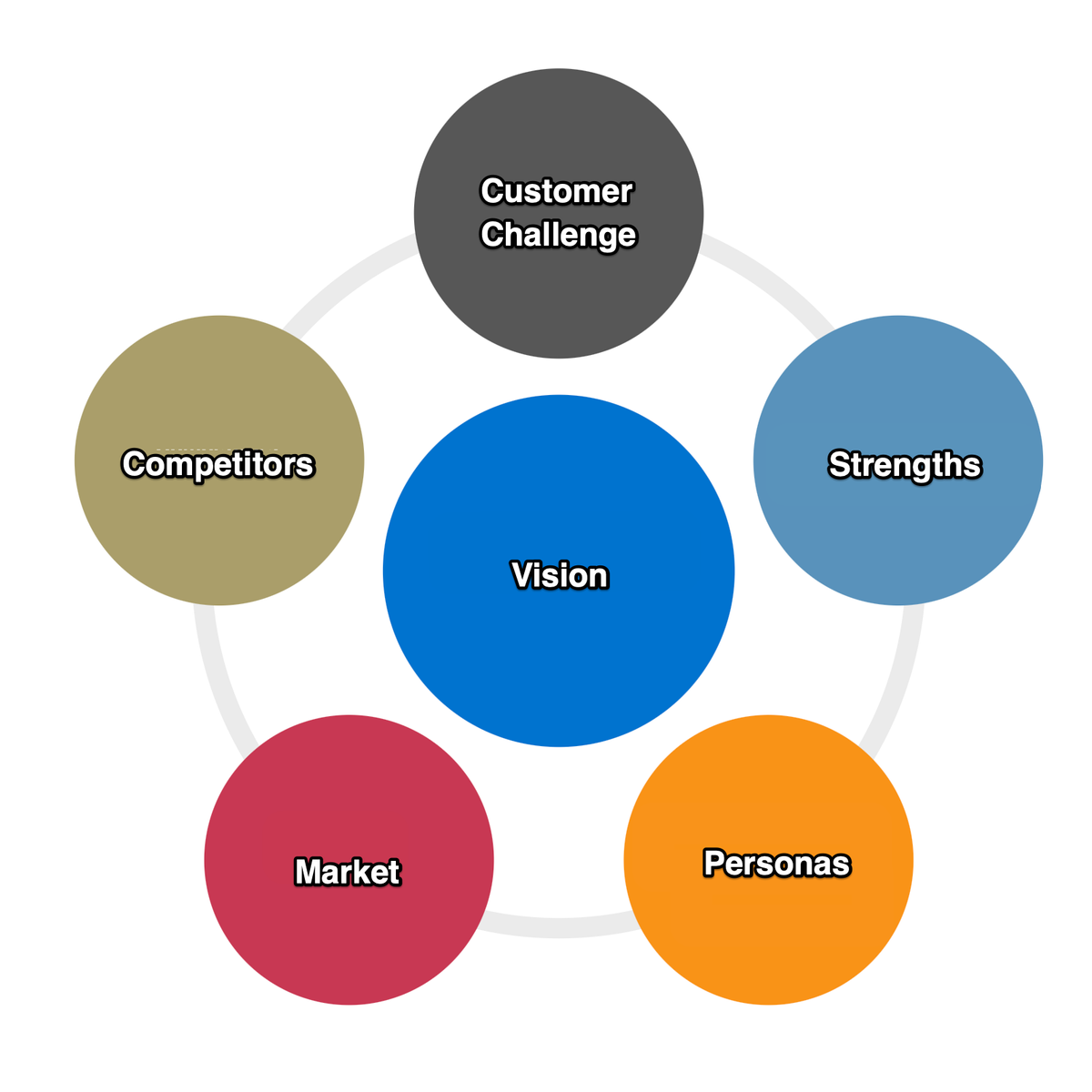





Related Reads
Chapters (23)
Introduction
1:18
Interview Tips and Tricks
3:20
Interview Proper + Question
4:14
Clarifying Question + Gathering Information
6:00
Asking For Feedback + Presenting Approach
8:30
Presenting Target Personas
9:00
Narrowing Down Target Persona
10:25
Presenting Information
12:08
Gathering Information
13:41
Designing the System
15:46
User Journey/Cases
19:22
Focusing on Specific User Journey
20:29
Asking For Feedback
21:13
Presenting Ideas
23:16
Clarifying Questions
24:00
Presenting Clarifications
26:00
Presenting Designed System
28:02
Design Flaws Scenario #1
30:26
Design Flaws Scenario #2
33:15
Design Flaws Scenario #3
36:55
Clarifying Questions
41:30
Conclusion, Feedback, and Suggestions
44:42
More Interview Tips and Tricks
🎓
Tutor Explanation

 DeepCamp AI