
Python: Logistic Regression & Supervised ML
Key Takeaways
Builds and evaluates supervised machine learning models using Python with logistic regression on the Titanic dataset
Original Description
This hands-on course equips learners with the foundational knowledge and practical skills required to build and evaluate supervised machine learning models using Python. Designed around the real-world Titanic dataset, the course walks learners through the complete machine learning pipeline—from project setup and lifecycle understanding to model deployment readiness.
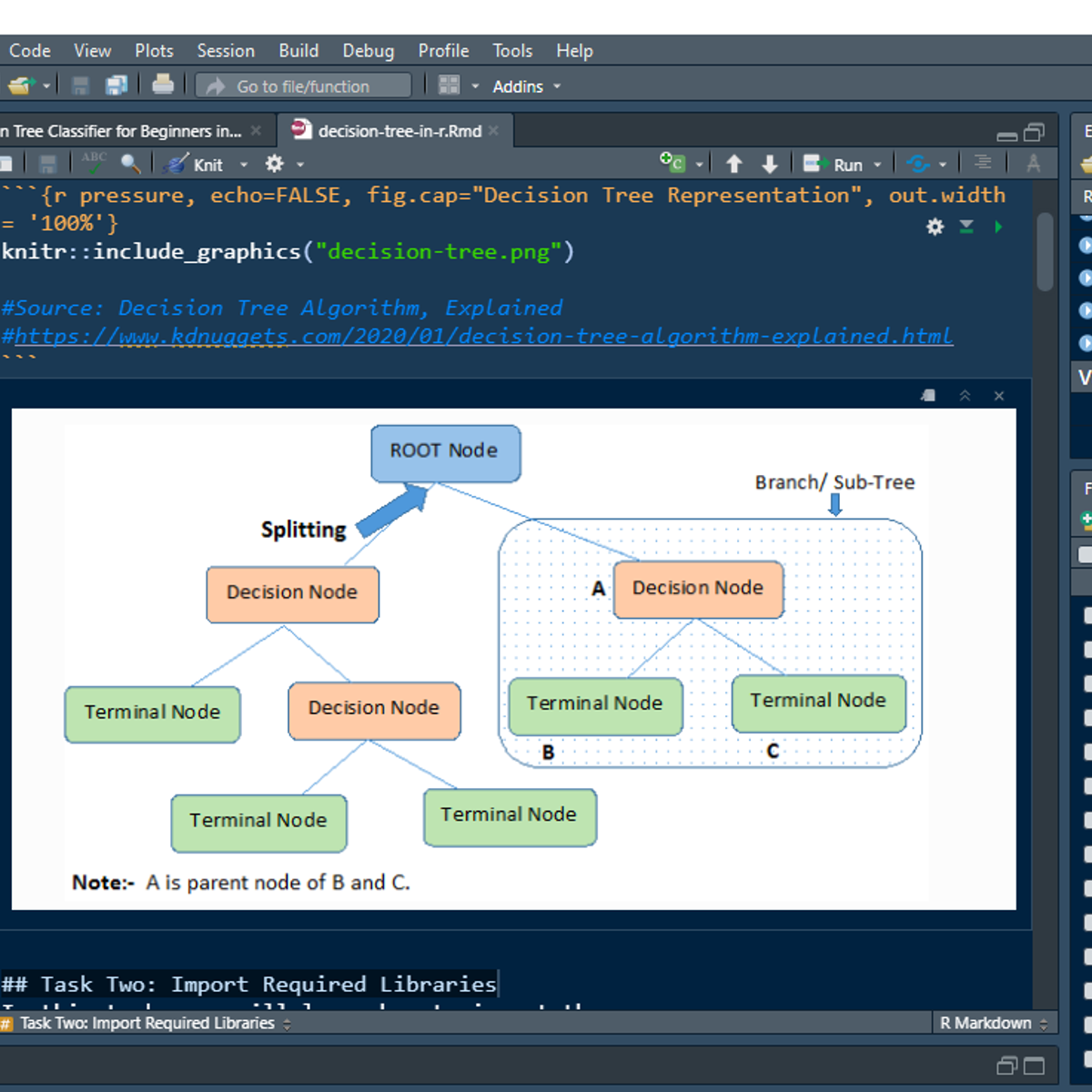
In Module 1, learners will define the machine learning project structure, identify essential Python libraries such as NumPy and pandas, and understand the conceptual foundations of algorithms including Decision Trees and Logistic Regression.
In Module 2, learners will apply exploratory data analysis techniques, clean and prepare datasets, and construct engineered features. They will also evaluate their models using metrics such as confusion matrices and cross-validation to improve model reliability and generalization.
By the end of this course, learners will be able to independently implement supervised learning models on real datasets and interpret results with confidence.
AI explanation not available for this lesson yet
This lesson is still being prepared for the AI tutor. In the meantime, explore lessons that are ready.
Browse explainer-ready lessons →
More on: Supervised Learning
View skill →






Related Reads
📰
📰
📰
📰
AWS Introduces Specification Driven Composition for Flexible Data Workflows
InfoQ AI/ML
When Should a Data Agent Ask a Clarifying Question?
Dev.to AI
AWS buys DuckLabs, the people behind the popular in-process OLAP database
The Register
Data Analyst Training in Pondicherry | Course & Career Guide
Medium · Data Science
🎓
Tutor Explanation
 DeepCamp AI