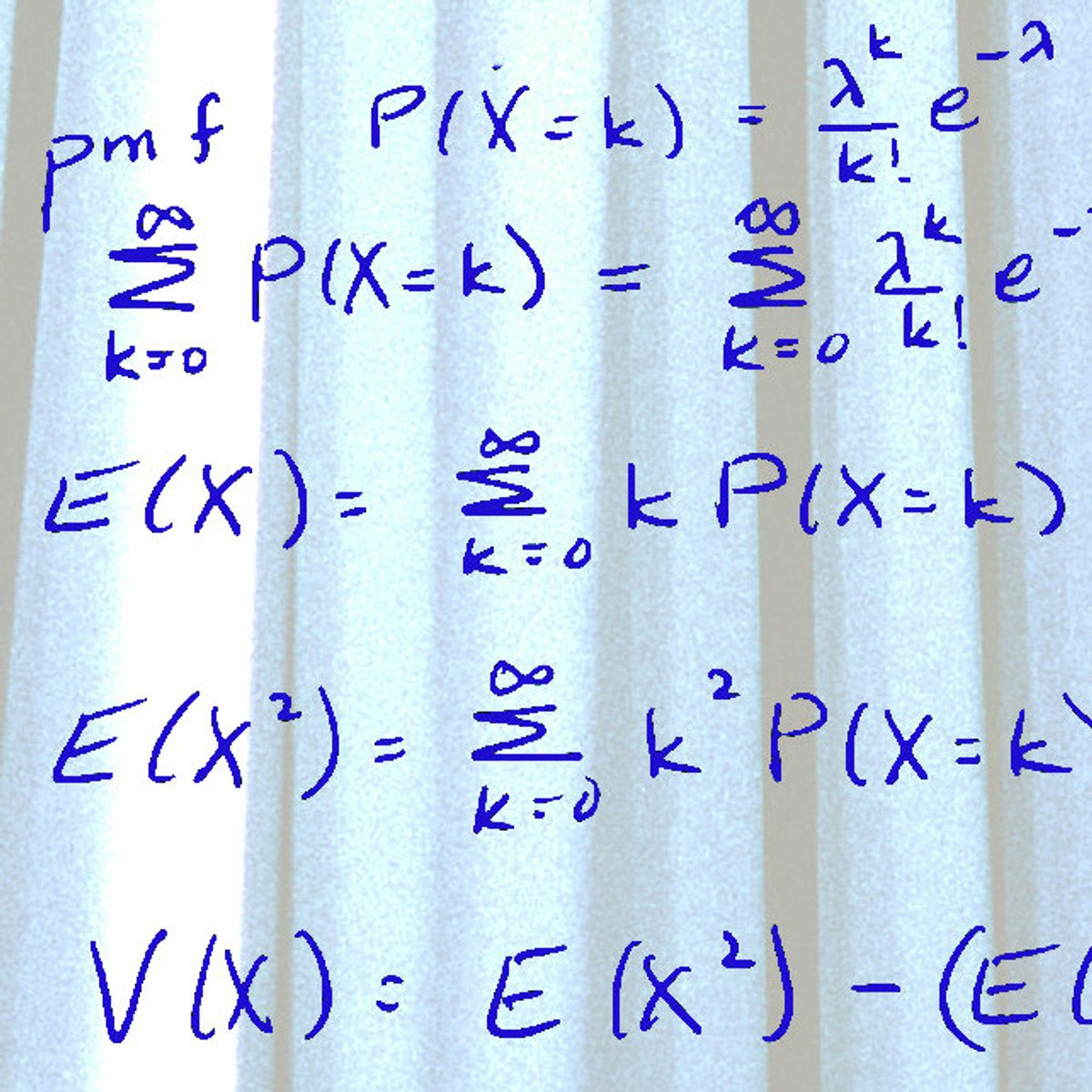
Probability Foundations for Data Science and AI
Skills:
Probability & Statistics90%
Key Takeaways
Explains the foundations of probability for data science and AI applications
Original Description
Understand the foundations of probability and its relationship to statistics and data science. We’ll learn what it means to calculate a probability, independent and dependent outcomes, and conditional events. We’ll study discrete and continuous random variables and see how this fits with data collection. We’ll end the course with Gaussian (normal) random variables and the Central Limit Theorem and understand its fundamental importance for all of statistics and data science.
This course can be taken for academic credit as part of CU Boulder’s Master of Science in Data Science (MS-DS) and the Master of Science in Artificial Intelligence (MS-AI) degrees offered on the Coursera platform. These interdisciplinary degrees bring together faculty from CU Boulder’s departments of Applied Mathematics, Computer Science, Information Science, and others. With performance-based admissions and no application process, the CU degrees on Coursera are ideal for individuals with a broad range of undergraduate education and/or professional experience in computer science, information science, mathematics, and statistics.
Learn more about the MS-DS program at https://www.coursera.org/degrees/master-of-science-data-science-boulder.
Learn more about the MS-AI program at https://www.coursera.org/degrees/ms-artificial-intelligence-boulder
Logo adapted from photo by Christopher Burns on Unsplash.
Watch on External: Coursera ↗
(saves to browser)
Sign in to unlock AI tutor explanation · ⚡30
More on: Probability & Statistics
View skill →





🎓
Tutor Explanation

 DeepCamp AI