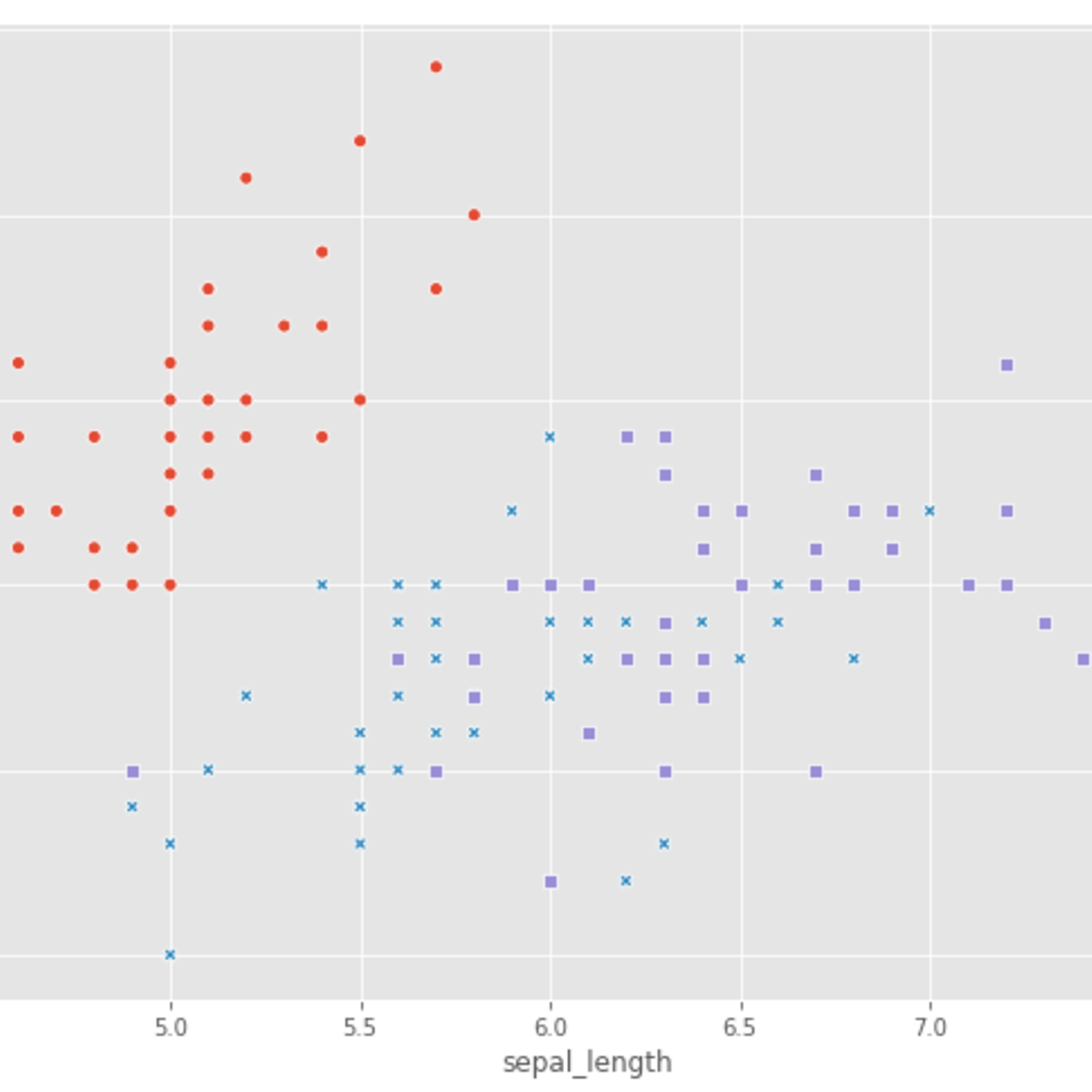
Principal Component Analysis with NumPy
Key Takeaways
Implements Principal Component Analysis using NumPy and Python without machine learning libraries
Original Description
Welcome to this 2 hour long project-based course on Principal Component Analysis with NumPy and Python. In this project, you will do all the machine learning without using any of the popular machine learning libraries such as scikit-learn and statsmodels. The aim of this project and is to implement all the machinery of the various learning algorithms yourself, so you have a deeper understanding of the fundamentals. By the time you complete this project, you will be able to implement and apply PCA from scratch using NumPy in Python, conduct basic exploratory data analysis, and create simple data visualizations with Seaborn and Matplotlib. The prerequisites for this project are prior programming experience in Python and a basic understanding of machine learning theory.
This course runs on Coursera's hands-on project platform called Rhyme. On Rhyme, you do projects in a hands-on manner in your browser. You will get instant access to pre-configured cloud desktops containing all of the software and data you need for the project. Everything is already set up directly in your internet browser so you can just focus on learning. For this project, you’ll get instant access to a cloud desktop with Python, Jupyter, NumPy, and Seaborn pre-installed.
AI explanation not available for this lesson yet
This lesson is still being prepared for the AI tutor. In the meantime, explore lessons that are ready.
Browse explainer-ready lessons →
More on: ML Maths Basics
View skill →

![AI With Python Full Course 2026 [FREE] | Learn Artificial Intelligence With Python | Simplilearn](https://img.youtube.com/vi/IvFW-r_S6UI/mqdefault.jpg)
Related Reads
📰
📰
📰
📰
Why Snowflake Is Becoming a Go-To Platform for Modern Data Engineering
Medium · AI
R You Kidding Me? Python vs R for Data Analysis
Medium · Python
CBAM and Product-Level Carbon Accounting: Why the Future of Manufacturing Depends on Granular…
Medium · Data Science
“Removing the fun” from fantasy hockey: An attempt at automating drafting based on historical data
Medium · Data Science
🎓
Tutor Explanation
 DeepCamp AI