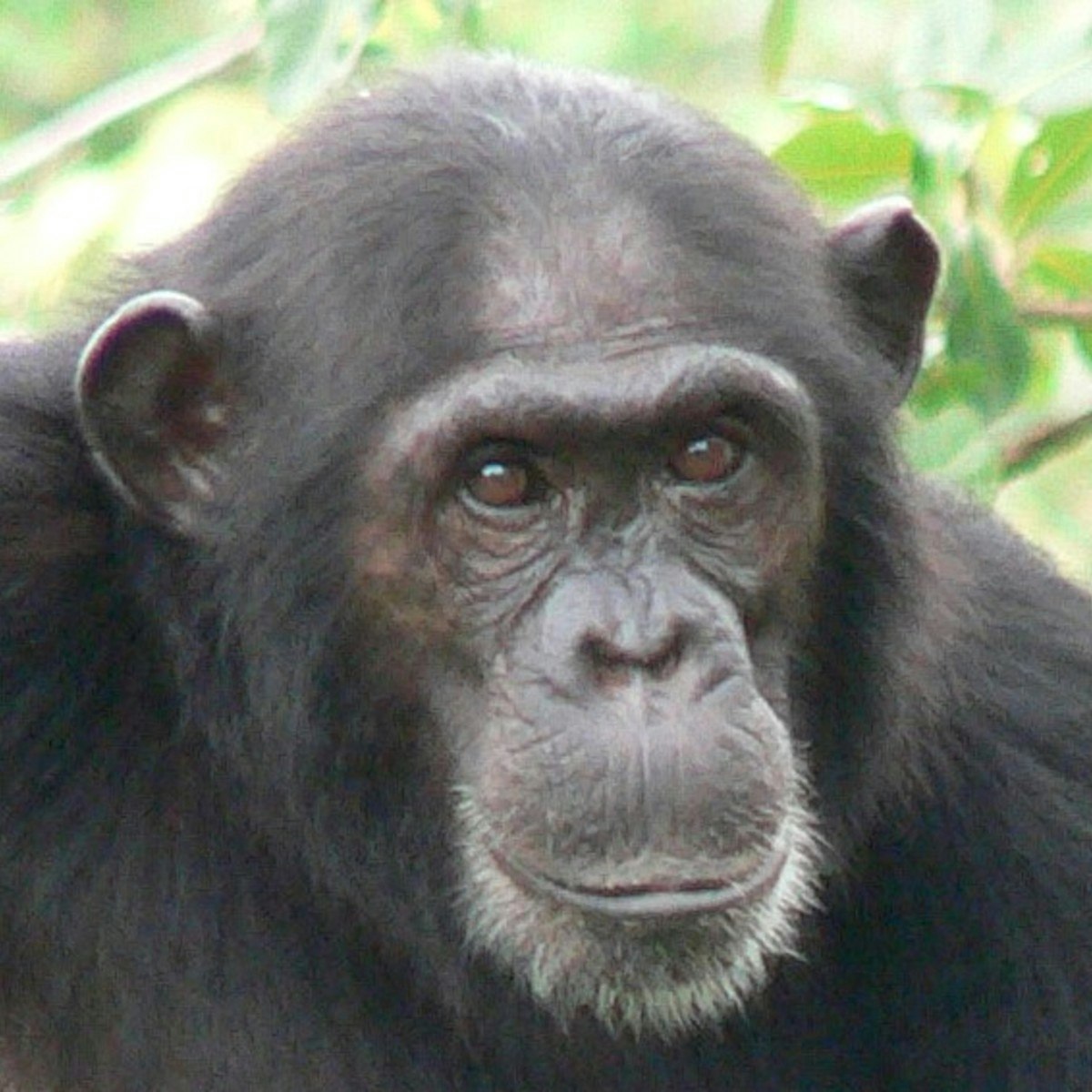
Chimpanzee Behavior and Conservation
Key Takeaways
Studies chimpanzee behavior and conservation
Original Description
Chimpanzees are one of our closest living relatives, yet almost nothing was known about their behavior in the wild until Jane Goodall started her groundbreaking study of the chimpanzees of Gombe, Tanzania in 1960. This study continues today, following the same chimpanzee families that Jane Goodall first encountered over 55 years ago. Guided by three course instructors who have lived and worked with the Gombe chimpanzees, you will learn how Goodall’s early discoveries changed our view of human uniqueness. By completing the course, you will gain a new appreciation of the deep similarities between chimpanzees and humans in intelligence, tool use, hunting, personality and social relationships, as well as some key differences. You will learn how chimpanzees interact with their environment and how their behavior is influenced by ecology, as well as the severe conservation challenges they face today. And you will employ your new knowledge of chimpanzees to construct a persuasive argument for their protection. This course is open to everyone interested in learning more about these fascinating and complex beings. Knowledge of high-school level biology is beneficial but not required. Please keep in mind, however, that the content of this course will cover all aspects of chimpanzee life, including scientific discussion of sexual and aggressive behaviors.
Watch on External: Coursera ↗
(saves to browser)
Sign in to unlock AI tutor explanation · ⚡30
More on: Reading ML Papers
View skill →






Related Reads
📰
📰
📰
📰
FLUX 3 Learned to Predict Movement. Now the Factory Has to Give It Hands
Medium · AI
How to run Hermes, a self-improving personal AI agent, fully local with QVAC
Dev.to · Thomas
Your AI Agent Does Not Need a Bigger Context Window. It Needs a Budget.
Medium · LLM
Build With a Memory Is Now a Public Repo
Dev.to · Andrew Detwiler
🎓
Tutor Explanation

 DeepCamp AI