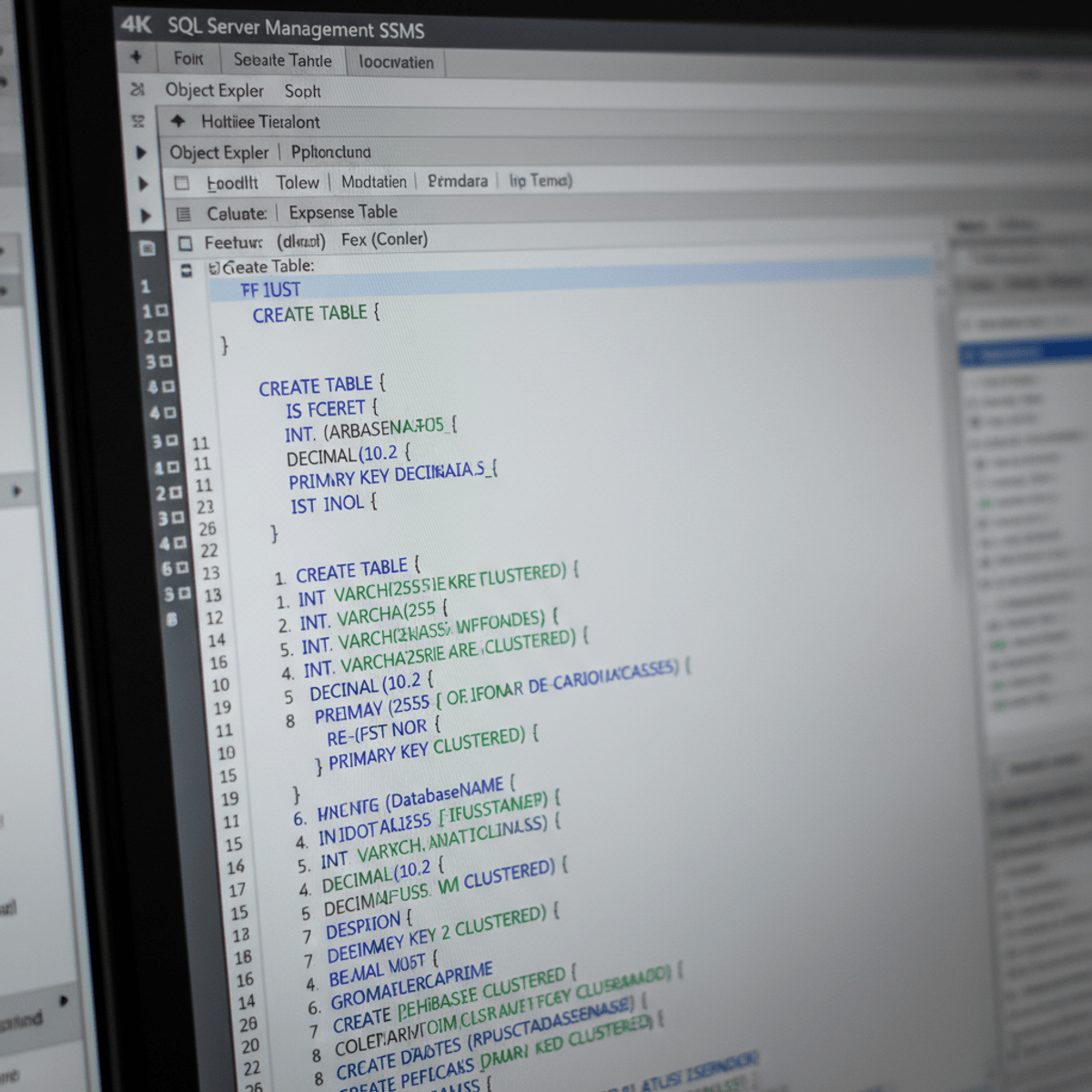
Apply SQL Server Fundamentals for Relational Databases
Key Takeaways
Applies SQL Server fundamentals for relational databases and data retrieval
Original Description
By the end of this course, learners will be able to explain relational database concepts, configure MS SQL Server, create databases and tables, enforce data integrity using constraints, and retrieve data using structured SQL queries.
This beginner-friendly course provides a comprehensive introduction to MS SQL Server and relational database management. Learners start with core database concepts such as RDBMS principles and database planning, then progress to installing and navigating SQL Server tools like SQL Server Management Studio. The course systematically builds practical skills in defining databases and tables, applying constraints, inserting records, and writing SQL queries ranging from basic SELECT statements to advanced joins and aggregations.
Designed with a clear modular structure, the course balances conceptual understanding with hands-on SQL practice, reinforced through video-wise MCQs, lesson-level practice quizzes, and graded module assessments. Each topic follows a logical progression, making it ideal for learners with no prior database experience.
What makes this course unique is its end-to-end beginner pathway—covering not just SQL syntax, but also SQL Server architecture, tools, and real-world database design considerations. Upon completion, learners will have a strong foundation to pursue advanced SQL, data analysis, or database development roles.
Watch on External: Coursera ↗
(saves to browser)
Sign in to unlock AI tutor explanation · ⚡30
More on: SQL Analytics
View skill →









🎓
Tutor Explanation

 DeepCamp AI