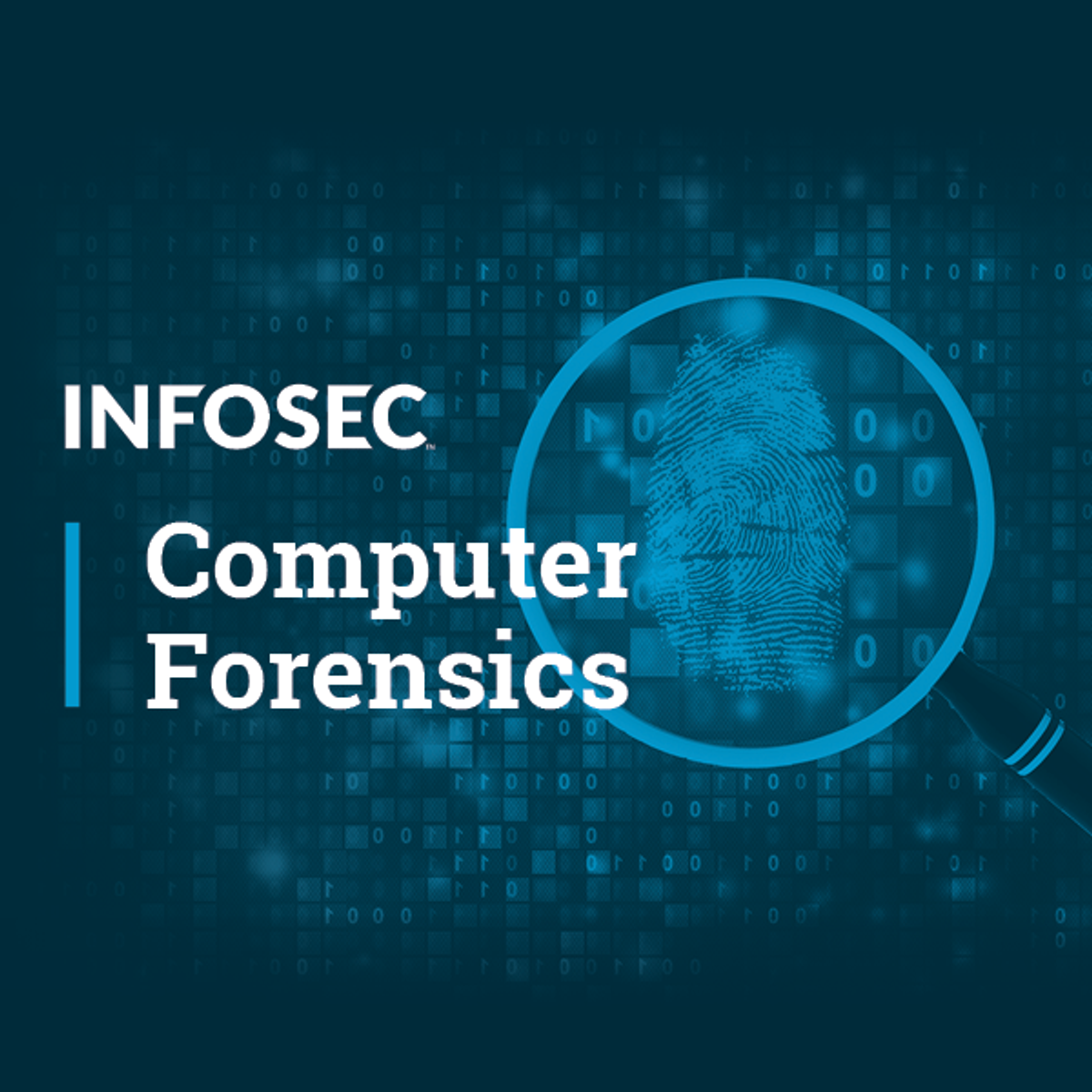
Windows OS Forensics
Key Takeaways
Examines Windows OS file systems including Fat32, ExFat, and NTFS to recover deleted files and interpret file system data structures
Original Description
The Windows OS Forensics course covers windows file systems, Fat32, ExFat, and NTFS. You will learn how these systems store data, what happens when a file gets written to disc, what happens when a file gets deleted from disc, and how to recover deleted files. You will also learn how to correctly interpret the information in the file system data structures, giving the student a better understanding of how these file systems work. This knowledge will enable you to validate the information from multiple forensic tools properly.
Watch on External: Coursera ↗
(saves to browser)
Sign in to unlock AI tutor explanation · ⚡30
More on: Security Basics
View skill →








Related Reads
📰
📰
📰
📰
O(N) Manacher's Algorithm with Mirror Boundary Optimization
Dev.to · Dipaditya Das
Building a Power Grid Inside Minecraft with BFS Algorithms
Dev.to · Carlos Cortez 🇵🇪 [AWS Hero]
The Run-Length Encoding Trick: How Simple Strings Get Compressed
Medium · Programming
75 Days of Leetcode — Day 4: #238 — Product of Array Except Self
Medium · AI
🎓
Tutor Explanation
 DeepCamp AI