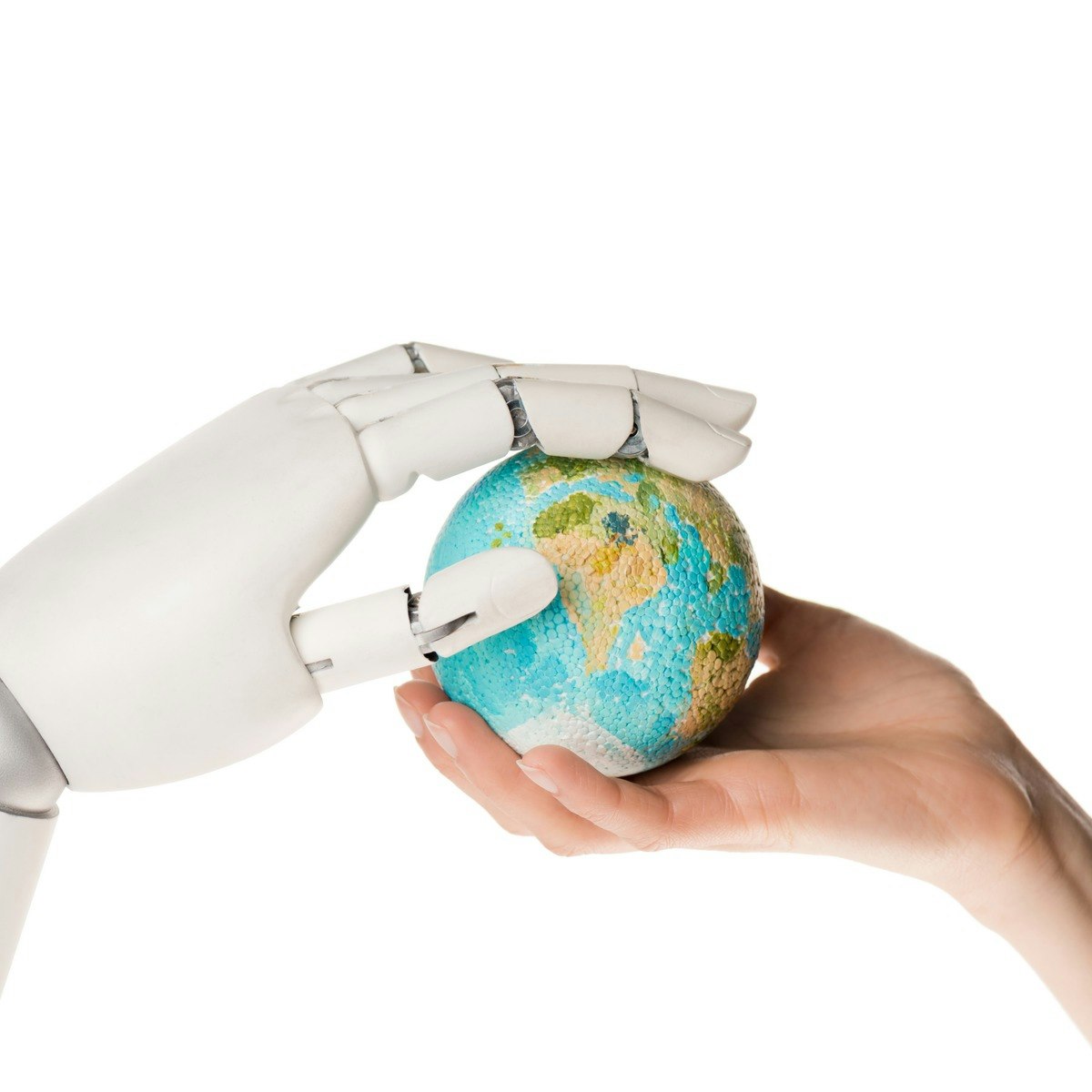
The AI, Climate, and Energy Connection
This course will help you understand AI's climate implications and identify practical next steps within your organization. The course begins with demystifying the connection between AI, Large Language Models (LLMs), data centers, and energy and water demand. Then you will learn about AI's environmental footprint, the related environmental and community impacts, you will evaluate real-world applications of AI across climate adaptation, energy transition, and nature conservation, and understand the business and policy landscape shaping corporate decisions.
Upon completion, you will have built an Impact Plan identifying actions you can take, whether in procurement (adding sustainability criteria to vendor RFPs), operations (optimizing AI workload scheduling), or strategy (leveraging government incentives for renewable-powered infrastructure).
What makes this unique:
Stanford faculty research combines with industry experts’ insights. You will examine real implementations such as Google's wind forecasting improving renewable value, Brazil's satellite-based deforestation monitoring enabling supply chain compliance, and Sweden's AI building optimization, and then apply frameworks to your context through role-based activities.
The course balances business strategy and tactics with policy context. You will finish with concrete next steps captured in your Impact Plan, not just abstract knowledge.
Watch on Coursera ↗
(saves to browser)
Sign in to unlock AI tutor explanation · ⚡30
More on: AI Alignment Basics
View skill →






Related AI Lessons
⚡
⚡
⚡
⚡
CVE-2026-21520: Why Patching a Prompt Injection Doesn't Fix the Architecture
Dev.to AI
Vibe Hacking Is Taking Over — And Most Companies Are Completely Unprepared
Medium · AI
La observabilidad de la IA no funciona como la observabilidad tradicional.
Medium · AI
La observabilidad de la IA no funciona como la observabilidad tradicional.
Medium · LLM
🎓
Tutor Explanation

 DeepCamp AI