Software Engineering: Modeling Software Systems using UML
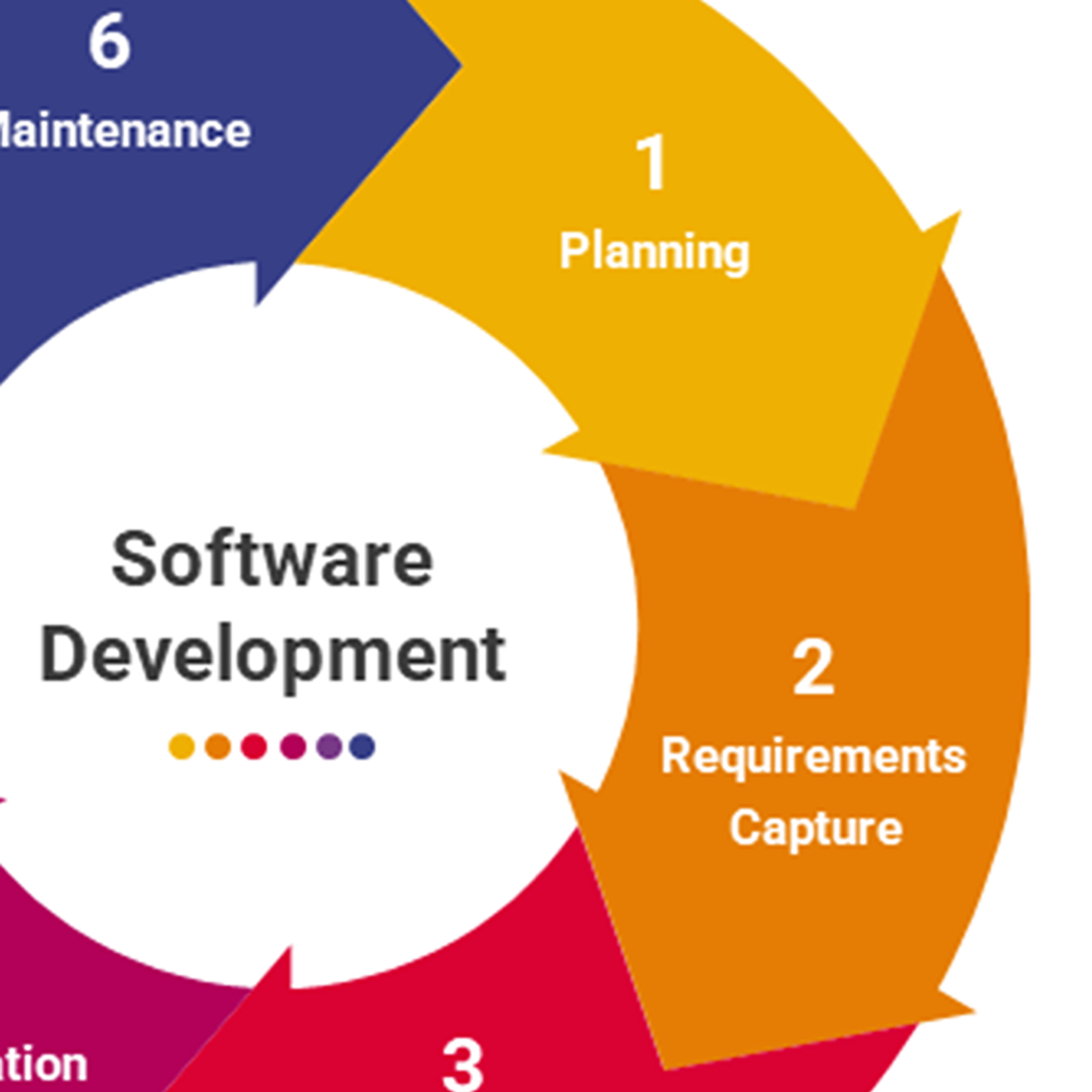
Software Development Life Cycle (SDLC) is the process of developing software through planning, requirement analysis, design, implementation, testing, and maintenance. This course focuses on the requirement analysis phase of SDLC, and you will learn how to use UML models to capture the system requirements and to facilitate communication between client/users and developers. UML is a general purpose visual modeling language for systems. It can be used to highlight different aspects of the system that are of interest to different stakeholders. Data requirements are captured in the domain model, which describes the important concepts of the application domain as classes, associations between them and constraints on them. Functional requirements are captured in the use-case model to describe the interactions between the system and its environment (users, other systems).
UML incorporates the current best practices in Object-Oriented modeling techniques. Basic object-oriented programming (OOP) concepts are required to attempt the course. It is recommended to take the courses in the order they are listed, as they progressively develop techniques and concepts about software engineering, but it is not a hard requirement.
Watch on External: Coursera ↗
(saves to browser)
Sign in to unlock AI tutor explanation · ⚡30
Related AI Lessons
⚡
⚡
⚡
⚡
Maybe not every side project needs to be a SaaS
Dev.to · Sara
Remote Work Didn't Change Work.
Medium · AI
Salesforce’s Native GIS and new Scheduling Console don’t just update field service — they…
Medium · Programming
The 5 metrics we surface in our contractor CRM dashboard (and why)
Dev.to · Tim Carter
🎓
Tutor Explanation
 DeepCamp AI