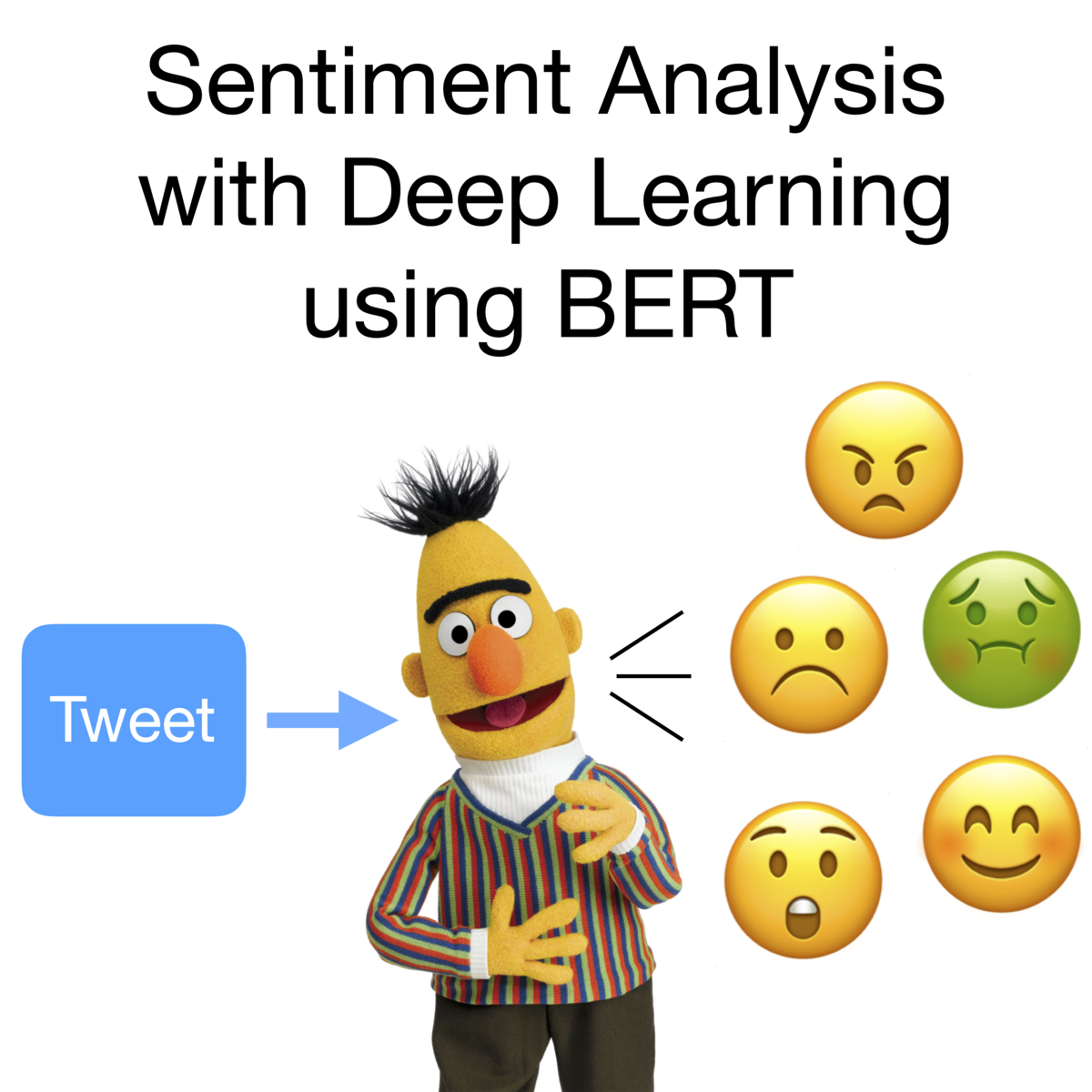
Sentiment Analysis with Deep Learning using BERT
Key Takeaways
Fine-tunes a BERT model for sentiment analysis using PyTorch
Original Description
In this 2-hour long project, you will learn how to analyze a dataset for sentiment analysis. You will learn how to read in a PyTorch BERT model, and adjust the architecture for multi-class classification. You will learn how to adjust an optimizer and scheduler for ideal training and performance. In fine-tuning this model, you will learn how to design a train and evaluate loop to monitor model performance as it trains, including saving and loading models. Finally, you will build a Sentiment Analysis model that leverages BERT's large-scale language knowledge.
Note: This course works best for learners who are based in the North America region. We’re currently working on providing the same experience in other regions.
Watch on External: Coursera ↗
(saves to browser)
Sign in to unlock AI tutor explanation · ⚡30
More on: Fine-tuning LLMs
View skill →








Related Reads
📰
📰
📰
📰
Understanding Deep Learning Through Four Interactive Experiments
Medium · Data Science
Understanding Deep Learning Through Four Interactive Experiments
Medium · Deep Learning
Optimizers in Deep Learning: From Gradient Descent to Adam
Medium · Deep Learning
The Meta-Architecture of Interface Fracture: High-Dimensional Logical Stress and Systemic Collapse…
Medium · Deep Learning
🎓
Tutor Explanation

 DeepCamp AI