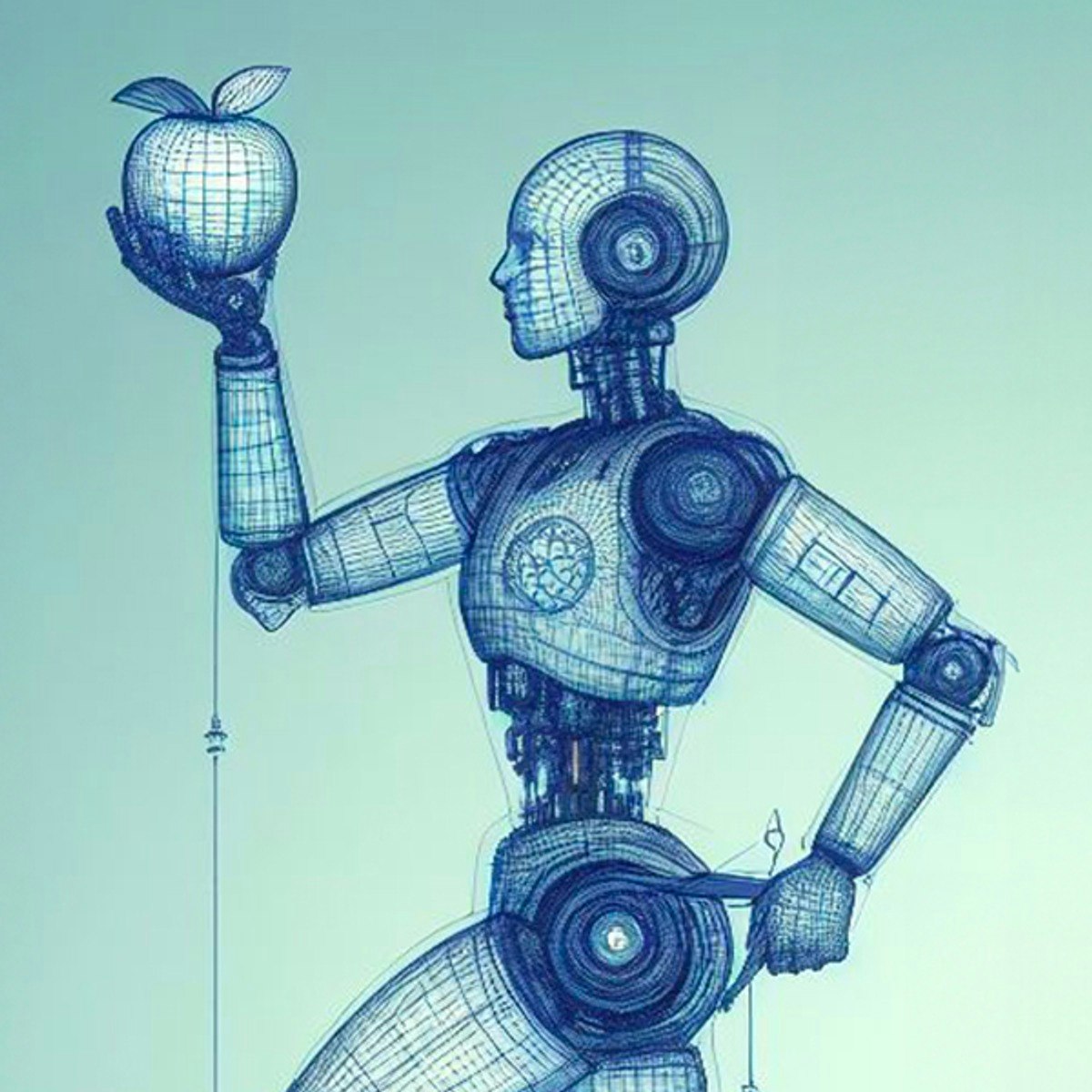
Robotic Methodologies
This course introduces the core methodologies that underpin robotic systems, focusing on how robots perceive, reason, and act in the physical world. Learners will explore fundamental concepts such as sensing, control, knowledge representation, and manipulation. Participants will develop a structured understanding of the principles enabling intelligent robotic behavior.
This course is part of the "Robotics & Robots" Specialization.
Contributors:
Prof. Bruno Siciliano, University of Naples, Federico II (curator)
Proff. Oussama Khatib, Stanford University; Michael Beetz/Leonie Dziomba, University of Bremen; Fabrizio Caccavale, University of Basilicata; Andreas Nüchter, Julius Maximilian University of Würzburg/Dorit Borrmann, Technical University of Applied Sciences Würzburg-Schweinfurt; Domenico Prattichizzo/Monica Malvezzi/Maria Pozzi, University of Siena; Guglielmo Tamburrini, University of Naples, Federico II; Marilena Vendittelli, Sapienza University of Rome; Luigi Villani, University of Naples, Federico II
"A special mention goes to Mario Selvaggio for his tireless dedication to the project, interacting with all the lesson authors, ensuring consistency and soundness throughout, also in connection with the Springer Nature books supporting the MOOC course. His contribution to defining the problems posed at the end of the various lessons was crucial" - Bruno Siciliano
Watch on External: Coursera ↗
(saves to browser)
Sign in to unlock AI tutor explanation · ⚡30
More on: Agent Foundations
View skill →






Related AI Lessons
⚡
⚡
⚡
⚡
Session-Level Spending Limits Are Not Governance. Your Agent Needs Autonomy Tiers.
Dev.to · Kavin Kim
Access Is Not Agency
Dev.to · Harry Floyd
Why My Polymarket Bot Watches Chainlink, Not Binance - The Oracle Gap That Changes Every Close Trade
Dev.to · Trader Developer
Supercharging AI with Real Estate Open Data: Building a Smarter MCP Server
Medium · AI
🎓
Tutor Explanation
 DeepCamp AI