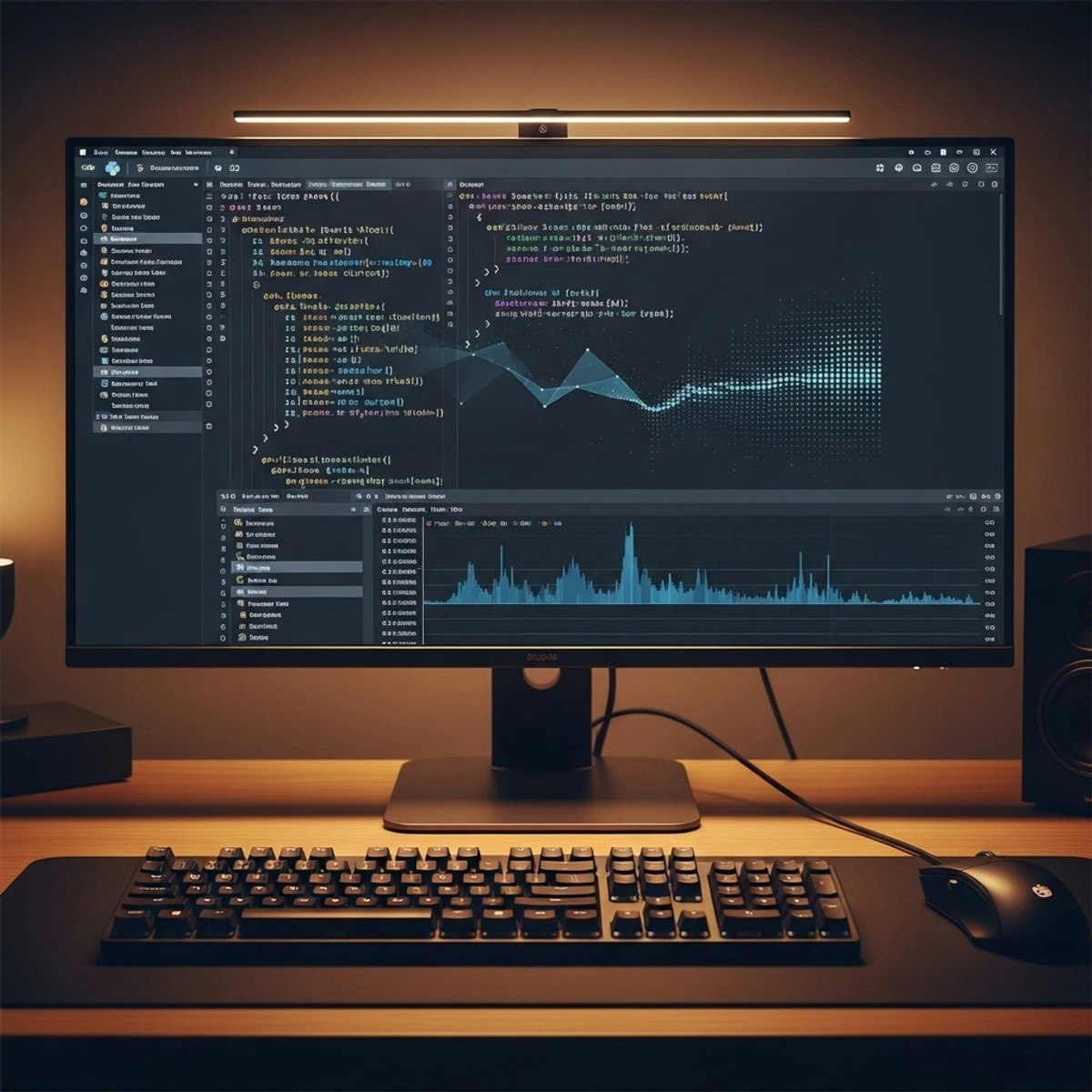
Python Cryptography: Build & Explore Classical Ciphers
Key Takeaways
Builds and explores classical ciphers using Python cryptography libraries
Original Description
By the end of this course, learners will be able to design, implement, and hack classical ciphers using Python, apply statistical frequency analysis, and automate cryptanalysis techniques through structured programs. You will gain hands-on experience with substitution ciphers, Vigenère encryption, and advanced methods such as dictionary-based attacks and the Kasiski Examination.
This course uniquely combines theory with practical coding, ensuring you not only understand cryptographic principles but also apply them in real Python projects. Each module builds progressively: starting with substitution cipher fundamentals, advancing into polyalphabetic ciphers, applying systematic hacking strategies, and culminating in a complete GUI case study. Along the way, you will refine Python programming skills, learn to interpret statistical patterns in ciphertext, and implement automation for efficient cryptanalysis.
Whether you are a cybersecurity enthusiast, a Python developer, or a learner exploring ethical hacking, this course offers a rare blend of cryptography and coding practice. By completing it, you will have the confidence to analyze classical ciphers, build functional hacker programs, and apply these techniques in both educational and practical contexts.
AI explanation not available for this lesson yet
This lesson is still being prepared for the AI tutor. In the meantime, explore lessons that are ready.
Browse explainer-ready lessons →
More on: Security Basics
View skill →![How to Reset Your Fidelity Password [2026 Full Guide]](https://img.youtube.com/vi/VwyXAX9_HVU/mqdefault.jpg)







Related Reads
📰
📰
📰
📰
Proactive cyber defense for governments and enterprises
Google AI Blog
I’ve Taught 180,000+ Cybersecurity Students .. Here’s What I Learned
Medium · Cybersecurity
Maintenance & security Journey in 2026 - Post-mortem measures in GHOST compromised websites
Dev.to · Mino Randriamanivo
Give Every Agent Patch a Regression Budget, Not Just a Green Check
Dev.to · Finley Zhou
🎓
Tutor Explanation

 DeepCamp AI