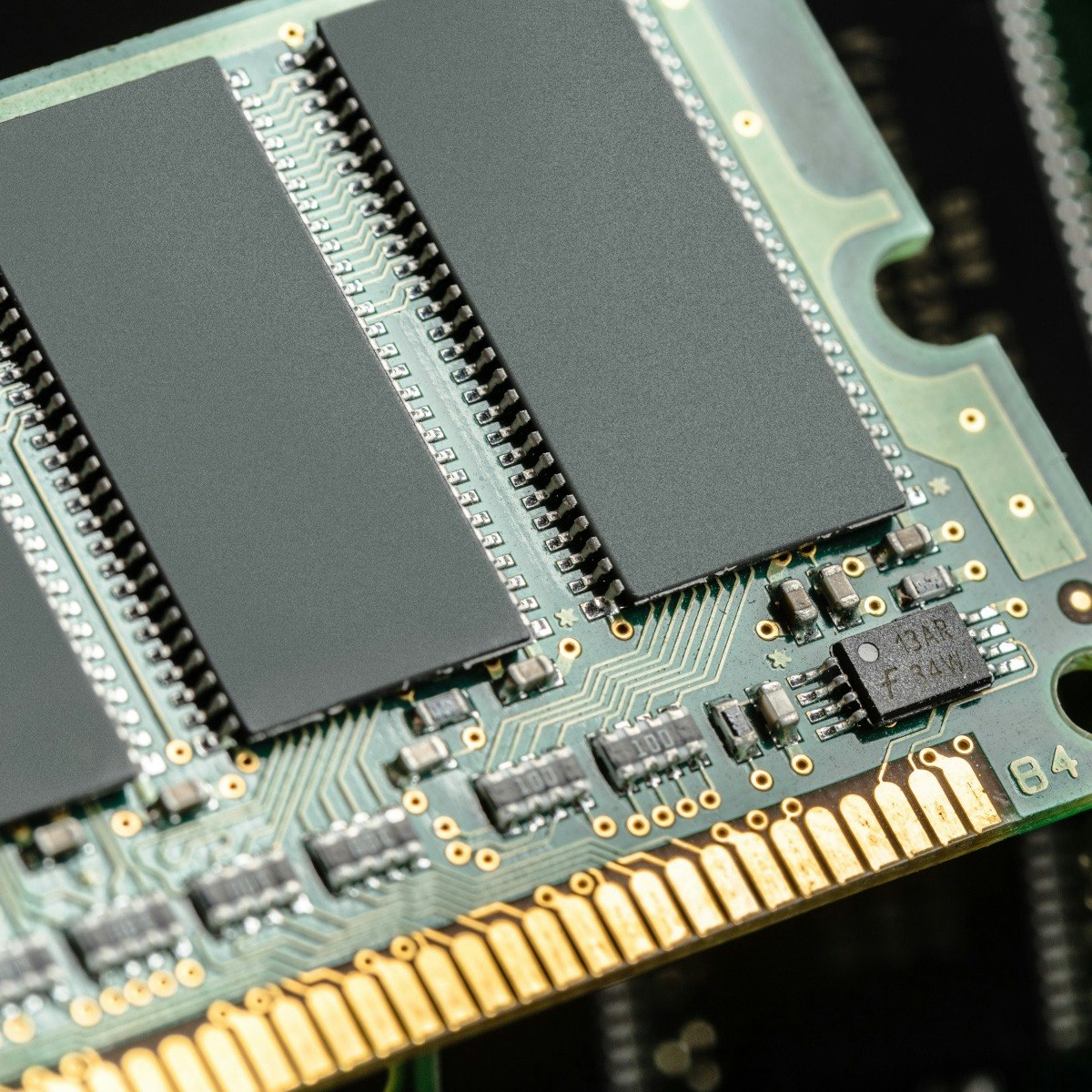
Persistent Memory Technology - Introduction and Deployment
Skills:
Systems Design Basics80%
Key Takeaways
Introduces Persistent Memory Technology and its deployment for optimized hardware configurations
Original Description
Embark on a dynamic learning journey through this course. In the first module, explore the intricacies of Persistent Memory (PMEM), unraveling its fundamental concepts, characteristics, and operating system support. Transition seamlessly into the second module, mastering transactional concepts, optimizing hardware configurations, and discerning between volatile and persistent libraries. In the final module, dive into advanced programming with libpmemobj, overcoming C++ Standard limitations, and applying insights to real-world scenarios like building a phonebook.
Target Learners:
1. System architects and designers
2. Software developers and programmers may learn about programming models
3. Database administrators (DBAs)
4. IT managers and decision-makers
5. Data Scientists and Analysts
By the end of this course,
1) You will wield a comprehensive skill set for navigating PMEM landscapes, optimizing system performance, and crafting resilient applications with advanced programming tools.
Pre-Requisites:
1. Understanding of basic computer architecture
2. The Basics of Operating Systems
3. Storage and Memory Concepts
4. Programming Skills
5. Fundamental Algorithms and Data Structures
6. As the course may explore the performance consequences of employing PMEM, it is important to be aware of performance measures and factors in computer systems.
7. Linux is a popular platform for working with persistent memory; therefore, being able to use the Linux command line is frequently helpful.
Watch on External: Coursera ↗
(saves to browser)
Sign in to unlock AI tutor explanation · ⚡30
More on: Systems Design Basics
View skill →








Related Reads
📰
📰
📰
📰
Building a Power Grid Inside Minecraft with BFS Algorithms
Dev.to · Carlos Cortez 🇵🇪 [AWS Hero]
The Run-Length Encoding Trick: How Simple Strings Get Compressed
Medium · Programming
75 Days of Leetcode — Day 4: #238 — Product of Array Except Self
Medium · AI
I implemented the algorithm that broke the sorting barrier. Dijkstra still wins.
Medium · Programming
🎓
Tutor Explanation
 DeepCamp AI