
Performance measures and validation methods
Skills:
ML Maths Basics80%
This course is ideal for data scientists, machine learning practitioners, researchers, and graduate students who want to move beyond basic metrics and develop the statistical intuition required for reliable model evaluation in production and research environments.
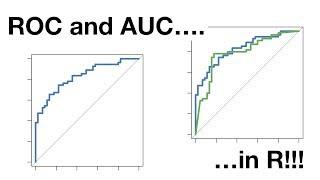
Understanding how to reliably evaluate machine learning models is essential for building systems that perform well in real-world settings. In this course, you’ll learn modern techniques for assessing classification performance using Receiver Operating Characteristic (ROC) analysis and interpreting key metrics such as Area Under the Curve (AUC) and Concordance Index (C-index).
You’ll also explore a practical framework for supervised learning, focusing on how algorithms select optimal models based on performance measures and how statistical principles support reliable decision-making. The course concludes with a real-world case study using biosignal data, where you’ll apply advanced cross-validation strategies to handle datasets with repeated measurements and ensure unbiased performance estimates.
By the end of the course, you’ll be able to evaluate models rigorously, choose appropriate validation methods, and design machine learning workflows that generalize to new data.
Watch on Coursera ↗
(saves to browser)
Sign in to unlock AI tutor explanation · ⚡30
More on: ML Maths Basics
View skill →




Related AI Lessons
⚡
⚡
⚡
⚡
Can Machine Annotations Classify News Photos as Well as Humans?
Medium · Machine Learning
Evals: What Software Engineers Should Learn From Data Scientists
Medium · Data Science
How We Used Historic Order Data to Eliminate Third-Party Vehicles in FMCG Distribution — A Full ML…
Medium · Machine Learning
When AI Doesn’t Decide – But Doesn’t Change Either
Medium · AI
🎓
Tutor Explanation
 DeepCamp AI