
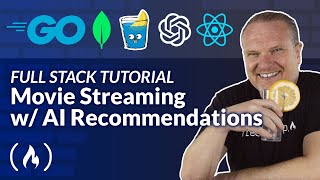
Managing Databases - End to End Web Development
Key Takeaways
Covers database management systems, including SQL and NoSQL databases, and API creation with RESTful design principles
Original Description
Course Description
This course provides an in-depth understanding of database management systems, focusing on both SQL and NoSQL databases. Learners will explore the fundamentals of databases, including their design principles, and gain practical skills in managing databases with popular technologies such as MongoDB. The course also covers the creation of APIs, emphasizing RESTful design principles and the implementation of secure authentication and authorization methods. Through hands-on video lessons and practical exercises, participants will acquire the necessary skills to effectively manage databases and integrate them with applications.
Learning Objectives
Analyze the fundamental differences between SQL and NoSQL databases to determine the appropriate use cases for each technology.
Create and execute basic and advanced CRUD operations in MongoDB, demonstrating proficiency in data manipulation.
Design RESTful APIs that adhere to best practices for endpoint structure and security measures, including authentication and authorization.
Integrate APIs into front-end applications, ensuring effective data exchange and error handling between client and server.
Target Audience
This course is suitable for aspiring database administrators, full-stack developers, software engineers, and anyone interested in learning database management and API integration. It is designed for both beginners and professionals looking to enhance their knowledge in database technologies.
Module 1: Introduction to Databases
In the first module, participants will be introduced to the foundational concepts of databases. The module begins with a discussion on what a database is and the various types of databases available today, including a comparison between SQL and NoSQL systems. Learners will gain an understanding of the essential principles of database design, which are crucial for creating efficient and scalable databases. The module then transitions into a more detailed examination of S
AI explanation not available for this lesson yet
This lesson is still being prepared for the AI tutor. In the meantime, explore lessons that are ready.
Browse explainer-ready lessons →
More on: Database Integration
View skill →






Related Reads
📰
📰
📰
📰
I Gave the Right Answer in a Senior Backend Interview. The Interviewer Changed One Constraint and My
Medium · Programming
Django vs Flask vs FastAPI: Which Python Web Framework Should You Learn in 2026?
Medium · Python
Our Spring Boot API Was Fast for Months. Then Production Data Exposed What Hibernate Was Really
Medium · Programming
Our Spring Boot API Was Fast in Testing. One Hibernate Query Turned It Into 1,247 SQL Queries
Medium · Programming
🎓
Tutor Explanation
 DeepCamp AI