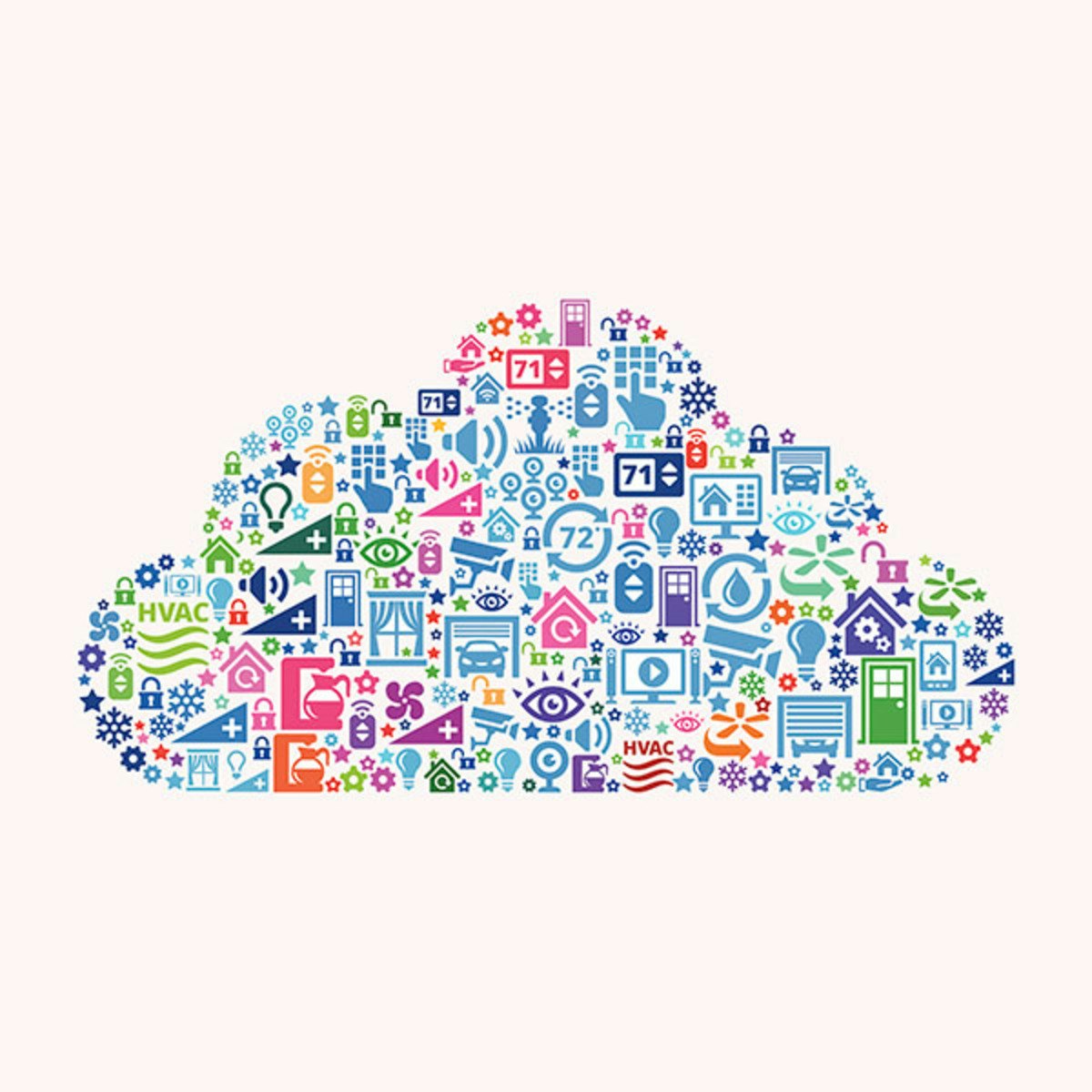
Internet of Things: Multimedia Technologies
Skills:
ML Pipelines60%
Content is an eminent example of the features that contributed to the success of wireless Internet. Mobile platforms such as the Snapdragon™ processor have special hardware and software capabilities to make acquisition, processing and rendering of multimedia content efficient and cost-effective.
In this course, you will learn the principles of video and audio codecs used for media content in iTunes, Google Play, YouTube, Netflix, etc. You will learn the file formats and codec settings for optimizing quality and media bandwidth and apply them in developing a basic media player application.
Learning Goals: After completing this course, you will be able to:
1. Explain the tradeoffs between media quality and bandwidth for content delivery.
2. Extract and display metadata from media files.
3. Implement and demonstrate a simple media player application using DragonBoard™ 410c.
Watch on Coursera ↗
(saves to browser)
Sign in to unlock AI tutor explanation · ⚡30
More on: ML Pipelines
View skill →


Related AI Lessons
⚡
⚡
⚡
⚡
What Enterprise RAG Is Ready For Today and What Production Deployment Actually Requires
Dev.to · Manjunath
I Built GraphRAG From Scratch — Then a December 2025 Paper Made It Look Basic
Medium · RAG
When Should You Use Text2Cypher in a GraphRAG Pipeline
Dev.to AI
How to build a production RAG pipeline in Python (without a vector database)
Dev.to · Ayi NEDJIMI
🎓
Tutor Explanation

 DeepCamp AI