Graph Algorithms with Rust
Skills:
Graph Algorithms90%
Key Takeaways
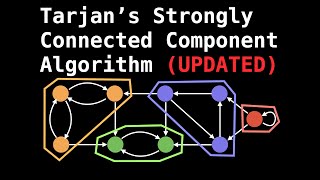
Implementing graph algorithms using Rust, including BFS, DFS, Dijkstra, PageRank, and Kosaraju strongly-connected components
Original Description
Graph Algorithms with Rust teaches you to model real datasets as graphs and run the classical algorithms — BFS, DFS, Dijkstra, PageRank, and Kosaraju strongly-connected components — in cache-friendly Rust. Across five modules you walk through the same problems data engineers actually solve: loading edge lists into a graph, finding the shortest walking route between Lisbon landmarks, ranking sports websites by PageRank, scoring UFC fighters by centrality, and detecting communities in a Twitter-style follower graph.
You use both the textbook petgraph crate and the benchmarked aprender-graph crate, so you see two production-tested ways to model the same problem. Every algorithm comes with a runtime contract — provable assertions like "PageRank scores must sum to 1.0" — so the demos catch silent regressions, not just compile errors.
The course closes with a working clap-based CLI tool that wires every algorithm together behind subcommands and emits machine-readable JSON, ready to ship as a single static binary. By the end you can pick the right algorithm for a real graph problem and ship it as a tested Rust binary.
Watch on External: Coursera ↗
(saves to browser)
Sign in to unlock AI tutor explanation · ⚡30
More on: Graph Algorithms
View skill →





Related Reads
🎓
Tutor Explanation
 DeepCamp AI