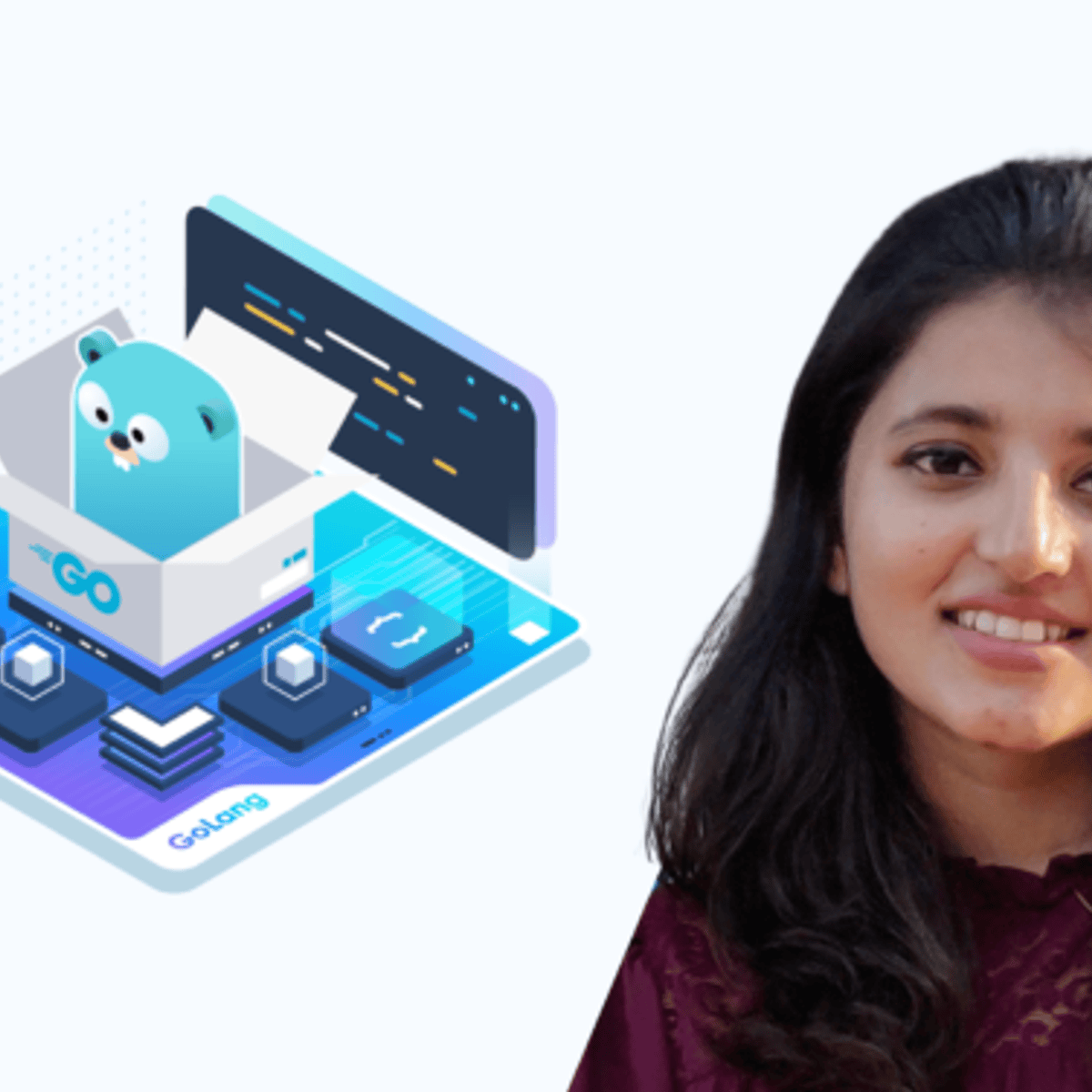
Golang: Functions, Pointers and System Design
Key Takeaways
Masters Golang functions, pointers, and system design for intermediate programmers
Original Description
This course is designed for intermediate Go programmers looking to master memory management, modular design, and professional architectural patterns. We elevate your coding skills by focusing on how to write modular, reusable, and memory-efficient software that is ready for production.
You'll start by going deep into Go's functional capabilities. You'll write clean, reusable code using multiple return values, named returns, and variadic parameters. You'll implement advanced patterns — recursion, anonymous functions, and higher-order logic — and use the defer statement to handle resource cleanup reliably.
From there, you'll tackle the topic that separates good Go developers from great ones: pointers. You'll learn how memory addresses work, how to use the address (&) and dereference (*) operators safely, and how to make deliberate, performance-driven decisions about passing data by value versus by reference.
The course closes with Go's approach to system design. You'll create custom data types with Structs, attach behaviors using Methods and Method Sets, and implement Interfaces to build decoupled, flexible architectures — the same patterns used in professional Go codebases at scale.
Every module includes hands-on coding labs, practice quizzes, and AI-guided role-plays — including refactoring legacy code, patching a high-throughput analytics system, and designing a multi-channel notification architecture.
Watch on External: Coursera ↗
(saves to browser)
Sign in to unlock AI tutor explanation · ⚡30
More on: Systems Design Basics
View skill →







Related Reads
📰
📰
📰
📰
What a Hardened OpenClaw Rig Actually Looks Like
Dev.to · v. Splicer
Designing DynamoDB: A Distributed Key-Value Store at Any Scale
Dev.to · RONI DAS
9 Things Developers Confidently Say About "It Runs Entirely in the Browser"
Dev.to · Vijay Kanna
Designing High-Resiliency Cross-Platform Apps (And How to Test Them)
Dev.to · Gabriel Madichie
🎓
Tutor Explanation
 DeepCamp AI