Getting started in cryo-EM
Key Takeaways
Builds a RAG pipeline using LangChain, Pinecone, and GPT-4 to answer questions over PDF documents
Original Description
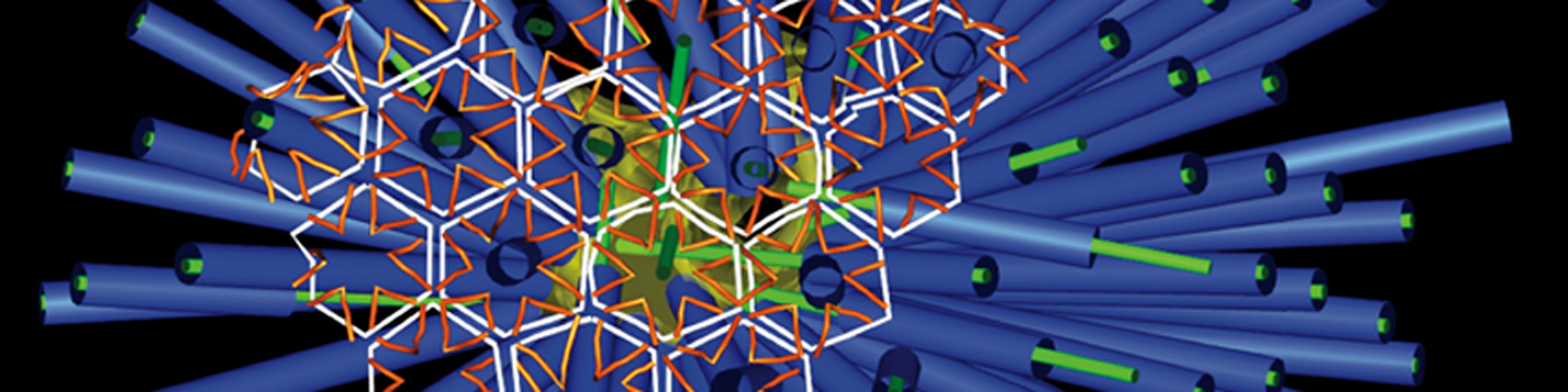
This class covers the fundamental principles underlying cryo-electron microscopy (cryo-EM) starting with the basic anatomy of electron microscopes, an introduction to Fourier transforms, and the principles of image formation. Building upon that foundation, the class then covers the sample preparation issues, data collection strategies, and basic image processing workflows for all 3 basic modalities of modern cryo-EM: tomography, single particle analysis, and 2-D crystallography.
Philosophy:
The course emphasizes concepts rather than mathematical details, taught through numerous drawings and example images. It is meant for anyone interested in the burgeoning fields of cryo-EM and 3-D EM, including cell biologists or molecular biologists without extensive training in mathematics or imaging physics and practicing electron microscopists who want to broaden their understanding of the field. The class is perfect as a primer for anyone who is about to be trained as a cryo-electron microscopist, or for anyone who needs an introduction to the field to be able to understand the literature or the talks and conversations they will hear at cryo-EM meetings.
Pre-requisites:
The recommended prerequisites are college-freshman-level math, physics, and biochemistry.
Pace:
There are 14.5 hours of lecture videos total separated into 40 individual “modules” lasting on average 20 minutes each. Each module has at the end a list of “concept check” questions you can use to test your knowledge of what was presented. As the modules are grouped into seven major subjects, one reasonable plan would be to go through one major subject each day. That would mean watching a couple hours of lecture and spending another hour or so thinking through the concept check questions each day for a week. Another reasonable plan would be to go through one module each day for a little over a month, or even three modules a week (Monday, Wednesday, and Friday) for a 3-month term.
It is likely that as you
Watch on External: Coursera ↗
(saves to browser)
Sign in to unlock AI tutor explanation · ⚡30
Related Reads
📰
📰
📰
📰
I Tried an AI Tool That Claims to Clone Any Website with One Command — Here’s Why It Failed
Dev.to · Kang Jian
Cultivate Curiosity in Tech
Dev.to · Fabio Sarmento
From Apple Health Data to Clinical Storytelling: Building an AI-Powered Report with Python and Gemini
Dev.to · Romina Elena Mendez Escobar
Gemini Notebook: Vet Articles Before You Save
Medium · AI
🎓
Tutor Explanation
 DeepCamp AI