FINTECH BUSINESS MODELS EXPLAINED
Skills:
FinTech Strategy & Innovation80%
Key Takeaways
Explains FinTech business models and their potential
Full Transcript
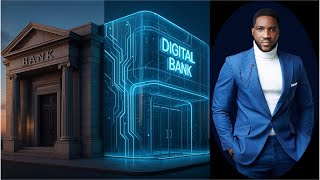
have you ever wondered how technology is transforming the financial industry for mobile payments to online lending we see lots of fintech companies disrupting traditional financial institutions achieving billion dollar valuations and changing the way we perceive and managing our money but have you ever stopped to think about the actual different business models that these companies are leveraging to provide their services and disrupt the financial landscape well in this video we're going to take a deep dive into the world of fintech business models and explore some of the most successful models that are driving Innovation and disrupting the financial services industry so whether you're an investor an entrepreneur or just someone who's interested or curious about the future of Finance sit back relax and let's learn about the exciting world of fintech business models foreign [Music] welcome back to the channel my name is Jeremy and if you're new here and haven't yet subscribed please consider doing so because on this channel I speak about fintech digital transformation personal and career development fintech which is short for financial technology is a rapidly growing sector that is disrupting the traditional financial industry fintech refers to the use of technology to provide Financial Services products and solutions the fintech industry is constantly evolving and there are various business models that fintech companies are using to create a paradigm shift that is said to be disrupting the traditional models of the finance industry so let's look at some of the different fintech business models explain how they work and also chat about the pros and cons of each model now to start off with at the very core a business model refers to the strategy that company uses to generate revenue and make a profit it outlines the way that a company creates delivers and captures value and includes things like their products and services being offered the way these services are priced how the company reaches and interacts with its customers and how it manages its costs and resources all from part of the business model essentially a business model is the blueprint for how a company operates and makes money now there are different types of fintech business models that companies use to provide Financial Services to Consumers obviously we can't go through every single one because there are so many so our focus on some of the most popular ones so it's easier to elaborate on how they actually work and practice beginning with the marketplace model the marketplace model is one of the most popular fintech business models but this model connects buyers and sellers in a Marketplace and facilitates transactions between them filter companies that use this model act as intermediaries between buyers and sellers and earn a commission on each transaction one example of a successful company that uses the marketplace model is eBay Now eBay is an online Marketplace that connects buyers and sellers and facilitates transactions between them eBay and a commission on each transaction that takes place on its platform another example of a company that has successfully employed the marketplace model is Etsy now Etsy is an online Marketplace that also connects buyers and sellers of handmade and vintage items Etsy also earns a commission on each transaction that takes place on its platform now examples of marketplace model fintechs in Africa would be jumia and Conga kilimall from Kenya or souk from Egypt and all these platforms connect buyers to Sellers and earn on a commission basis the marketplace model has several advantages firstly it's easy to scale as more buyers and sellers can be added to the platform without significant overhead costs secondly the marketplace model can provide a diverse range of products and services to Consumers because the platform can attract Sellers from different locations and industries however there are some disadvantages to this model as well one disadvantage is that the filter behind the platform has limited control over the products and services offered on its platform and very little control over the customer experience but this can lead to Quality related issues which causes users or unhappy customers to leave negative reviews of the services offered by the platform to address this some marketplaces are implementing more stringent seller vetting processes and providing tools and resources to help sellers improve their customer service next is the payment processor model now the payment processor model is another popular fintech business model now this model provides Payment Processing services to Consumers and businesses filter companies that use this model act as intermediaries between buyers and sellers and process payments on their behalf Payment Processing involves the movement of funds from the buyer's account to the seller's account examples of fintechs that have successfully used this model are PayPal pay stack and strike now PayPal is an online payment system that allows individuals to make payments to other consumers and businesses and stripe is a payment processing platform that allows businesses to accept payments from consumers both earn a fee on each transaction that takes place on its platform as their means of generating Revenue the payment processor model has several advantages firstly it's a scalable business model because payment processes can process large volumes of transactions quickly and efficiently making them highly scalable businesses also the volumes process creates a steady stream of revenue from the percentages charge as a fee per transaction there are also low overhead costs for this model compared to other Financial Services businesses because they don't have to invest in physical infrastructure like branches or ATMs and then payment processors can also integrate with other financial services such as accounting software and e-commerce platforms providing added value for customers however there are still some disadvantages with this model such as the dependence on banks so payment processors typically rely on Partnerships with banks to access payment networks which can create dependencies and vulnerabilities in the business also the responsibility of risk management falls to the payment processor and then need to manage fraud and chargebacks on their platform which is a significant business risk next is the alternative credit score and lending model the alternative credit score is a filter creation that helps lenders to determine the creditworthiness of their borrowers by using non-traditional data that is more relatable current and easily accessible such as the customer's digital footprint now this business model is valuable for fintech companies who want to lend to customers who aren't properly captured by the traditional credit score system or in some cases are not even included in the form of financial system The Lending model provides loans to Consumers and businesses and the fender companies that use this model act as the intermediaries between the lenders and the borrowers and either earn a fee on the loan disbursements and collections or enter into a sort of Revenue sharing agreement with the funders on the interest income derived Lending Club Nova credits jumo and Sofi are noteworthy examples of fintechs that employ The Lending model The Lending model has several advantages firstly access the credit is always a problem worthy of solving because there are so many borrowers that are unable to obtain credit from the traditional lenders secondly by offering lower interest rates than traditional lenders alternative credit score and lending fintechs can gain a competitive advantage in The Lending market and thirdly by providing credit to underserved populations lending fintechs can contribute to promoting Financial inclusion and social responsibility however the cons of the lending fintech model is that assessing credit worthiness using alternative data sources does come with its risk as the data may not be as reliable as traditional sources and you don't have the safety of collateral which can lead to the risk of defaults and extra risk management efforts and next is the new bank model now the new bank model is a relatively new fintech business model it's also referred to as the digital banking model which encompasses web-based services and a high level of automation that may include generating and integrating apis that enable cross-institutional services for delivering banking services and financial transactions to put that simply this model provides banking services to Consumers without the need for physical branches Neo banks operate entirely online and use technology to provide banking services to the customers examples of fintechs that have successfully deployed the new bank model are chime and revolutes both are online only banks that provide customers with checking and savings accounts digital wallets debit cards and other financial services for example revolut offers cost-effective international funds transfers and Global spending at the inter-bank exchange rate to attract a larger customer base so it operates in several countries and has millions of customers worldwide the new bank model has several advantages firstly lower overhead costs than traditional Banks because they don't have the same brick and mortar infrastructure and Staffing requirements secondly they are more flexible and agile because they aren't as bogged down by Legacy systems and processes and are quickly able to adapt to customer needs and the market trends thirdly they can also offer customers an improved customer experience with more personalized and digital offerings and lastly Neo Banks can access untapped markets such as the unbanked and underbanked populations by offering more inclusive and accessible Financial Services the disadvantages have to do with the high customer acquisition costs because new Banks typically rely on digital marketing and Partnerships to build their customer base and new Banks may also struggle to achieve profitability in the early stages and funding rounds may become increasingly difficult as investors become more cautious about the sustainability of the model and finally we have Robo advisory Investment Management now the robo advisory model is a fintech business model that uses technology to provide investment advice and portfolio Management Services to customers now Robo advisors use algorithms and artificial intelligence to analyze customer data and provide personalized investment advice two examples of successful companies that use the robo advisory model are betterment and wealthfronts both are online investment advisors that you use technology to provide investment advice and portfolio Management Services to customers and both of them offer a range of investment portfolios and charge a fee based on the size of the customer's portfolio the advantages of this business model are scalability cost efficiency and accessibility Robo advisory Investment Management fintechs can scale their services quickly and efficiently to a large number of clients because their algorithms and automated systems can handle a high volume of transactions and portfolio management they can offer services at lower cost than traditional investment managers as they do not require the same level of human labor and resources and also they can offer Investment Management Services to a wider audience including those who may not meet the high minimum investment requirements of traditional investment managers the disadvantages would be the limited human interaction which may not suit all clients who prefer a more Hands-On approach to Investment Management also the dependence on technology to provide their services means they are vulnerable to technical issues or cyber attacks and finally there is limited market differentiation with this model because fintech can replicate the same thing driving up competition and leading to limited market differentiation which causes pricing pressures so to conclude the world of fintech has revolutionized the way financial services are delivered disrupting traditional business models and creating new ones for Marketplace models to payment processors to new Banks and Robo advisory Investment Management techs fintech business models have brought significant benefits to customers and fintechs alike as we move into an increasingly Digital World the fintech industry will continue to evolve and innovate creating new business models and opportunities now as consumers we can expect to see even more convenient accessible and personalized Financial Services in the years to come now I was only able to speak about five of the fintech business models and if I get enough people liking and commenting on this video then I'll follow up with a part 2 sharing additional Innovative fintech and business models I still hope you found this video valuable and if you did remember to hit the like button and leave me a comment and I'll see you in the next video cheers guys
Original Description
Did you know that the global fintech industry is projected to reach a value of $1.2 trillion by 2025? Yup, thats according to the PWC ...
Watch on YouTube ↗
(saves to browser)
Sign in to unlock AI tutor explanation · ⚡30








Related Reads
📰
📰
📰
📰
A lightweight workflow for keeping up with AI conference papers
Dev.to · Daniel
Why CitedEvidence Believes Great Researchers Read Less Than You Think
Medium · AI
How to Write a Literature Review That Actually Argues Something
Medium · Machine Learning
I Built a Personal Paper Engine to Stop Losing Research Papers
Dev.to · Ethan
🎓
Tutor Explanation

 DeepCamp AI