Diffusion | Diffusion Model Architecture | Diffusion Process

AILinkDeepTech · Beginner ·🎨 Image & Video AI ·1y ago

About this lesson

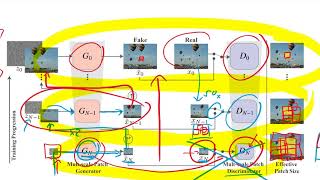
Diffusion | Diffusion Model Architecture | forward and reverse diffusion processes Discover how Diffusion Models are revolutionizing AI image generation and denoising. In this video, we break down the forward and reverse diffusion processes, how Gaussian noise is used in training, and why time embeddings are key to high-quality sample generation. Perfect for beginners and anyone looking to understand the magic behind powerful generative models like Stable Diffusion and Denoising Diffusion Probabilistic Models (DDPM). Learn step-by-step how these models gradually turn random noise into stunning, high-resolution images. The video covers: 1. The key components of diffusion models. 2. How does the reverse diffusion process work. 3. What are the main components of a U-Net variant used in diffusion models. 4. What are the differences between forward and reverse diffusion processes. 5. How do time embeddings help in the diffusion process. 6. How does the addition of Gaussian noise affect the image in each timestep. If you enjoyed the video, don't forget to like, subscribe for more breakdowns, and insights into AI techniques! #DiffusionModels #ForwardDiffusionProcess #ReverseDiffusionProcess #StableDiffusion #DiffusionModelExplained #DenoisingDiffusionProbabilisticModels #DDPM #HowDiffusionModelsWork #AIGenerativeModels #AIDenoising

Original Description

Diffusion | Diffusion Model Architecture | forward and reverse diffusion processes Discover how Diffusion Models are revolutionizing AI image generation and denoising. In this video, we break down the forward and reverse diffusion processes, how Gaussian noise is used in training, and why time embeddings are key to high-quality sample generation. Perfect for beginners and anyone looking to understand the magic behind powerful generative models like Stable Diffusion and Denoising Diffusion Probabilistic Models (DDPM). Learn step-by-step how these models gradually turn random noise into stunning, high-resolution images. The video covers: 1. The key components of diffusion models. 2. How does the reverse diffusion process work. 3. What are the main components of a U-Net variant used in diffusion models. 4. What are the differences between forward and reverse diffusion processes. 5. How do time embeddings help in the diffusion process. 6. How does the addition of Gaussian noise affect the image in each timestep. If you enjoyed the video, don't forget to like, subscribe for more breakdowns, and insights into AI techniques! #DiffusionModels #ForwardDiffusionProcess #ReverseDiffusionProcess #StableDiffusion #DiffusionModelExplained #DenoisingDiffusionProbabilisticModels #DDPM #HowDiffusionModelsWork #AIGenerativeModels #AIDenoising

Watch on YouTube ↗ (saves to browser)
Sign in to unlock AI tutor explanation · ⚡30

Related Reads

📰
How Does an Image Model ‘See’? The Weird Phenomenology of CLIP and DALL-E’s Visual Understanding
Discover how image models like CLIP and DALL-E understand visual data without truly 'seeing' it, and why this matters for AI development
Medium · ChatGPT
📰
Best AI for Image Generation in 2026: ChatGPT vs Gemini vs Claude Tested
Learn how to compare AI image generators like ChatGPT, Gemini, and Claude to find the best one for your needs in 2026
Medium · ChatGPT
📰
Introducing Meta’s Muse Image
Meta introduces Muse Image, a new image generation model, and its potential applications
Medium · Deep Learning
📰
I stopped writing image prompts and started dropping in reference images instead — here's what I learned
Ditch writing image prompts and use reference images instead for faster and more accurate image generation
Dev.to · chen mensen
Up next
How to Generate AI Videos for FREE with ComfyUI (Step-by-Step Tutorial)
Kevin Stratvert
Watch →