
Data Engineering & Pipeline Reliability for Machine Learning
Key Takeaways
Transforms real-world datasets into reliable analytical assets using Python and pandas for data cleaning and preprocessing
Original Description
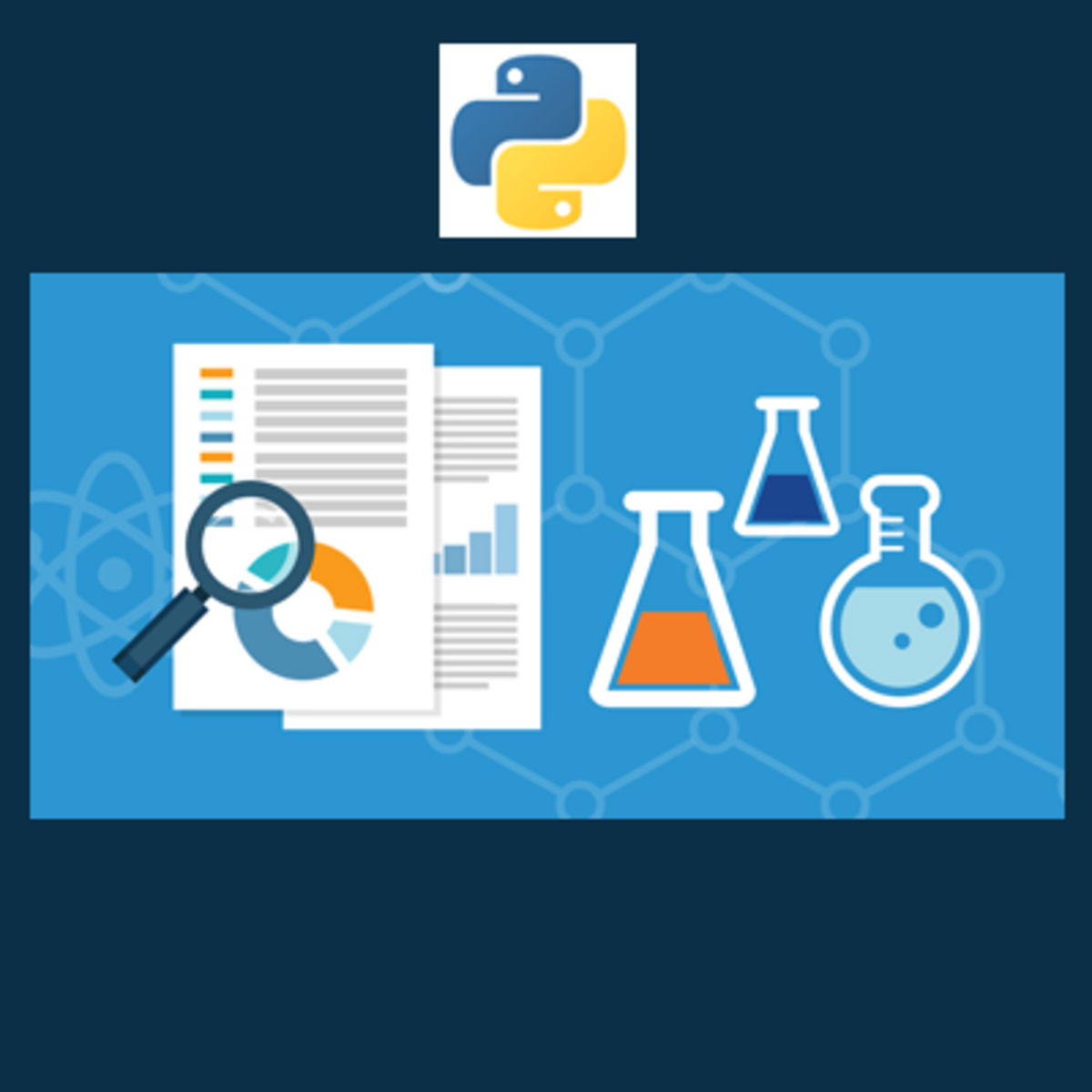
This course teaches you how to transform real-world datasets into reliable analytical assets through practical, reproducible data-cleaning techniques. You’ll learn how to evaluate categorical features and select optimal encoding strategies, measure and document data quality, and apply effective approaches to handle missing values. Using Python and pandas, you'll practice assessing cardinality, implementing target encoding, validating completeness with Great Expectations, and building transparent transformation lineage. You’ll also clean messy fields such as ages, salary outliers, and dates to ensure consistent model-ready outputs. Designed for analysts, data engineers, and ML practitioners, this course equips you with the job-ready skills needed to prepare high-quality datasets that support trustworthy insights and predictive modeling.
Watch on External: Coursera ↗
(saves to browser)
Sign in to unlock AI tutor explanation · ⚡30
More on: ML Pipelines
View skill →





Related Reads
📰
📰
📰
📰
I Built My Second ETL Pipeline. This Time, I Started Thinking Like a Data Engineer
Towards Data Science
JuiceFS Sync for PB-Scale Data Transfers: Resumable Sync, Encryption, and Bandwidth Control
Dev.to AI
How Airflow is using AI to make data engineering more resilient, not more complex
Medium · AI
What Can We Do When Memory Becomes the New Bottleneck in Data Engineering?
Towards Data Science
🎓
Tutor Explanation

 DeepCamp AI