Cloud Computing Full Course 2025 in 10 Hours | Cloud Computing Tutorial For Beginners | Edureka Live
Skills:
Cloud Fundamentals90%
Key Takeaways
Covers cloud computing concepts, services, and deployment models using AWS
Full Transcript
Hello everyone and welcome to the cloud computing full course. Your complete guide to understanding and mastering the cloud technologies. This course starts with the fundamentals of cloud computing exploring its architecture, service models and deployment strategies. You will then dive into popular cloud platforms like AWS and learning essential services such as EC2, S3, AM, Lambda, cloud for much more. We will also cover cloud security, networking, monitoring and serverless computing while giving you hands-on experience with real world cloud project. And finally, you will explore career opportunities, certifications and interview preparation to become a job ready cloud professional. And by the end of this course, you will have the knowledge and skills to confidently design, deploy and manage applications in the cloud. So before we begin, please like, share, and subscribe to Edureka's YouTube channel and hit the bell icon to stay updated on the latest content from Edureka. Also check out Edureka's cloud architect certification course that equips you with the skills to design, plan, and scale secure and reliable cloud solutions. Through this comprehensive mast's program, you will learn to build cloud architectures that align with business objectives and drive innovation. This program highlights 200 plus hours of live instructorled and self-paced learning and master 11 plus in demand courses including Python, cloud computing, AWS, DevOps and more. Gain hands-on experience with 20 plus industry tools through real world projects and a capstone challenge. So check out the course link given in the description box below. Now let us get started with our first topic that is what is cloud computing. What is cloud computing? Everything nowadays is moved to the cloud, running on the cloud, assessed from the cloud or may be stored in the cloud. So what exactly is the cloud? Simply put, cloud computing, often referred to as the cloud, is a service that allows people to use online services that are generally available through any device with an internet connection. This means that the user does not need to be at a certain location in order to access certain data. From computing and analytics to secure and safe data storage and networking resources, everything can be delivered within no time. Thanks to the cloud, the goal of cloud computing is to deliver these services over the internet in order to offer faster innovation, flexible resources, and economies of scale. Have you ever realized that you probably have been using different cloud-based applications every day? Whenever you share an important file over one drive with your colleague through the web or use a mobile app, download a picture, binge watch a Netflix show or play an online video game. It all happens on the go. The best part, it saves you a lot of money and time. You don't have to buy any machinery or install any kind of software. Everything will be handled by the cloud platform which is running these applications. Whether it's Google, Microsoft or Amazon, many such tech giants have already switched from traditional computer hardware to more advanced cloud architecture. Not just that, these companies are also the most popular cloud service providers in the market today. As more and more company undergo strategic digital transformations designed to utilize the power of the cloud, they need more IT professionals and leaders with the expertise to extract the best business results out of their investments. So let's begin by learning what's cloud computing. Well, cloud computing is the delivery of cloud services including servers, storage, databases, networking, software, analytics, and intelligence over the internet to offer faster innovation, flexible resources, and economies of scale. You can access cloud computing services through a web browser, using your internet connection and a cloud provider, or even through a cloud-based application. These services can be used to store, manage and process data as well as to run applications and entire IT infrastructures. This allows users to access data and resources remotely and enables organizations to scale their computing resources up or down as required, reducing the need for expensive on premises IT infrastructure. One of the benefits of cloud is its accessibility from anywhere. You can have a developer on the other side of the world and he'll still be able to use your cloud services and login using just the login console. On top of it, the scalability factor is also something that makes cloud very attractive to adopt. So why opt for cloud computing? Well, let's start by listing those reasons and by comparing onremise versus cloud computing first. Well, if you're an organization, you will need to set up your own IT infrastructure and physical servers take space. With cloud, there's no need for you to buy your own servers and maintain them. The cloud is also highly scalable, which means that as your usage grows, you can easily get the required resources on demand. And scaling down is also as easy. Therefore, you end up saving costs and you pay for what you use. It's that simple. This also leads to another point and that is that you don't need to hire a team to maintain your infrastructure. Well, if you had set up on premise infrastructure, you would need to hire a huge team to maintain all of that and this is completely eliminated using cloud services. Well, coming on to our next point, with cloud, you have the option to recover data with disaster recovery mode. If you maintain physical servers, there's less chance of data loss, but it still exists. And if you don't continue properly with the backups, the data loss can turn into a critical event. Clouds have essentially turned this into a better way to operate for small or big businesses alike. Also, with clouds, there exists better security protocol and you have more flexibility in how you want to structure your infrastructure. So, you can handle your infrastructure any way you like with ease. Clouds are also easy to set up compared to managing your own infrastructure on site. So the time cloud saves is huge. You can also collaborate less with on-remise infrastructure management. Whereas with cloud, you can have a developer on the other side of the world and they will still be able to collaborate with you. And finally, clouds have automatic software updates. With onremise, you might have to do this manually while ensuring that your current infrastructure works without problems. Now let's talk about the advantages of cloud computing for a minute. Well, obviously cloud computing is cost effective. You only pay for what you use and the scalability factor really makes cloud a very attractive choice for businesses with ridiculous amount of traffic. Next, cloud providers also have large data centers with many servers and resources that are designed to handle a high volume of data and traffic. This means that cloud-based applications and services can run faster and more efficiently than those that are hosted on premises. Additionally, cloud providers often use advanced technology such as content delivery networks, often called CDNs, to distribute data and resources to users based on their geographical location, which can further speed up the access to data and applications. This can be especially beneficial for businesses or organizations that serve a global audience as it allows them to deliver content and services to users faster and regardless of their location. Another advantage of cloud computing is high accessibility. With cloud computing, users can access their data and applications from anywhere with just the internet connection. This means that employees can work remotely and businesses can serve customers and clients from multiple locations. This brings us to another advantage of cloud computing and that is it eliminates the need for expensive on premises hardware. With cloud computing, organizations can access computing resources remotely through the internet and don't have to invest in maintaining or upgrading the physical servers, storage devices, or other hardware. Cloud services are also typically easy to set up and get started with as they often come with preconfigured templates and many providers offer simple web- based interfaces making it very easy to create and manage resources. All of these factors contribute to the ease of implementation of cloud computing making it a very convenient and accessible options for businesses and organizations of all size. Now let's look at the types of cloud computing. Well to categorize cloud computing you can differentiate them between two types. First is the deployment type and the other one is the service model. Under deployment type you can say that you have three types of cloud computing and that is private, public and hybrid cloud. Under service model you can say that cloud services are of three types which is SS, PWS and IWS which stands for software as a service, platform as a service and infrastructure as a service respectively. So under the deployment model the first type of cloud is the public cloud. This is accessible to the general public and doesn't have any sort of restricted access. Public cloud is a cloud computing service that is provided by a third party provider and made available to the general public over the internet. Public cloud services are typically provided on a pay as you go or subscriptionbased model allowing organizations to only pay for the resources that they use. A private cloud is a cloud computing environment that is dedicated to a single organization and that means that it is built and maintained by the organization itself or by a third party provider who works on behalf of the organization. A private cloud provider offers many of the same benefits as public clouds such as scalability, cost effectiveness and accessibility but with added security and control. The organization has full control over the environment including the hardware, software and networking components and can configure and customize the environment to suit its specific needs. Private clouds are often used by organizations that have a strict security or compliance requirements or that handle sensitive or confidential data. They offer more control over the environment which means that organizations can better ensure that their data and resources are protected. They also offer more control over the environment which means that organizations can better ensure that their data and resources are protected. Now coming on to a third type of cloud which is the hybrid cloud. A hybrid cloud is a combination of a public cloud as well as a private cloud where some resources are hosted on premises and some are hosted by a third party public cloud provider. Hybrid clouds allows organizations to take advantage of the scalability and cost effectiveness of public clouds while maintaining control and security over sensitive or confidential data and resources that are kept on premises. Hybrid clouds allows organizations to use public clouds for services which are non-sensitive in nature. This can help organization to keep sensitive data and applications more secure while still taking advantage of scalability and cost effectiveness of public clouds. Hybrid clouds also allows for flexibility and ease of integration as organizations can use the same tools and technologies to maintain both on premises and cloud-based resources. This can simplify management and make it easier to move workloads between the public and private cloud as needed. Hybrid clouds also allow for better disaster recovery as data can be replicated between on- premises and cloud resources providing an additional layer of protection in case of a failure in the on- premises system. Now let's look at the types of service models in cloud computing software as a service. This service model provides access to software applications over the internet typically on a subscriptionbased model. SAS providers typically handle the maintenance and upgrades of the software as well as the underlying infrastructure. Example of SAS providers includes Salesforce, Microsoft Office 365 and Google G Suite. Now coming to our next which is the platform as a service. Well, this service model provides a platform for developing, running and managing applications without the need to maintain and manage the underlying infrastructure. Bus providers typically offer a range of tools and services such as databases, development frameworks and analytics that can be easily integrated and used to develop and run applications. Examples of past providers include AWS elastic beanto, Microsoft Azure app service and Google app engine. Now coming on to a third service model which is infrastructure as a service. This service model provides virtualized computing resources over the internet, including servers, storage, and networking. Organizations can use EAS to provision and manage their own IT infrastructure without having to invest in and maintain on- premises hardware. Example of EAS providers include AWS, Microsoft Azure, and the Google Cloud Platform. And here you can see some of the leading cloud providers. AWS has the highest market share in cloud space but Google is also entering this space. Alibaba has also made it strides in the cloud computing services a few years ago but as of now the three main giants in cloud space are undoubtedly Google cloud platform Amazon web services and Microsoft Azure. And now let's look at the life cycle of developing a cloud computing solution for a problem. First is that the problem statement is dissected to define the purpose of the solution. This involves breaking down the problem statement into its individual components and analyzing how the problem will be solved. The next step is to define the hardware requirements for the problem statement. It is important to have an infrastructure that is fall tolerant and is resistant to high incoming requests and process them well. Then comes defining the storage requirement. This is responsible for data storage and ensuring that backups occur so that we don't run out of space. After it the networking aspects are taken into consideration. It is critical to create a proper channel so that everything is connected and functions well. And this also needs to be addressed the security. It is one of the most important steps. As cyber security jobs have increased over the past few years, there is a reason for it. As there have been more and more attacks on the companies and these cyber threats needs to be addressed by restricting access and maintaining how authentications are done because if you lose customer data or company data to hackers it makes a big dent in the company's image globally or wherever they may operate. Then we define management processes and tools to see what is going on and how everything is functioning. Later we test the processes. We build the solutions, highly test them and ensure that errors don't occur. And after quality controls are passed, we deploy the solutions build. And finally, we analyze everything using analytics and improve the processes further while reducing the cost as well. And now let's move on to the demo section where we will host a website from files downloaded from S3 bucket. This problem actually comes from the problem statement that goes something like this. A person wants to transition to cloud. How does it do it? This is one of the most common yet intelligent questions and we will see how we are going to do this. So the person needs to transition to cloud and for this they will need one server which means that one EC2 instance will be required and whatever data they may have let's suppose that that is stored in the S3 bucket. So what we need to do is we need to load the data which is stored in the S3 bucket which is supposed to be the old data that the person wants to transition to the cloud and load that data into EC2 instance. So here what we are going to do is we'll start by launching our instance first. So if you haven't logged into your AWS console, just go to your AWS management console and go to EC2. Now here I'll provide it. Let's say I provide my server the name add one server. And now for the OS type, I'll just select the default which is Amazon Linux. Now I'll just go down and I'll select in the key pair. Now for the key pair I'll just be using my old key. And if you haven't created a key pair before, you can just do that by clicking on this button right here. Now for the network settings, I want to allow the HTTPS and HTTP traffic from the internet. Now with all of that done, let's launch our instance. Now while our instance is launching let's understand what we need to do. So as per the problem statement the data that needs to be transitioned to cloud needs to be stored in the S3 bucket. So here I have my Amazon S3 buckets and in that I have this website samples-1 and in this bucket I have stored some HTML files as you can see here. So what we need to do is that we need to load this HTML files and make that just available on the EC2 instance that we just launched. And now that we have a success message, let's see our EC2 instance. Now for this EC2 instance, I'll be using mobile Xerm to just log it. Now you can also use puty but I tend to use mobile because it has a lot more features than puty. So let's wait for it to load. And here I'll just click on the sessions button and let's select SSH because we want to SSH into our instance. Now let's select this instance ID and what we need to do is that we need to copy this public IP address. So let's just copy this and in the remote host I'll just paste this and for the specify username I'll just provide EC2- user. Now what we'll do is that we'll load our key here. So let's do that. And I have a previously created key here. So I'll just use that. And after everything is done, let's say session name should be server. Customize tab. I'll select pink and yeah, let's hit okay. So by doing this, what we are essentially doing is that we are logging into our instance. So this instance that we created right here now we have logged into it. So the first thing that we need to do is that we need to install Apache server on this because we want to host a website and for that we need Apache. So to do that what we'll do is we'll install HTTPD service which is basically Apache and for that I'll just type in sudo su so that we become super user and if we type in who am I it should say root and now let's install Apache so yum install-y httpd x86 6_64. Now this should install Apache here. Now that it's complete, what we need to do is that we need to start the service and we need to enable it. And I'll do this by typing systemctl start httpd service. And then I'll enable this And with that what should happen is that you should now be able to go to this. Uh so what we'll do is we'll just open this address. And now we should be greeted with the Apache page. Yeah. So that's it. Here we go. So this is the test page that we get and if you are able to see this it means that Apache is working properly. So now what we need to do is that we need to load this HTML file onto our instance. So to do that what we need to do is first of all we'll need to create an IM user so that we can have programmatic access for this. So to do that let's go to IM and under IM we'll create a user with the permission to programmatically access. Until we do that, let's type in the command AWS configure so that we can control our AWS right from the console and let's create the access key and the secret key. So here let's add in the user and let's provide it a name space manager or something. Let's hit next. attach policies and what we need to do is we need to provide the policy of S3 full access because we are going to be downloading data from it and let's create this user. So let's click on the space manager user and what we'll do is we'll create our keys. So under security credentials I think we should be able to do that. So here we'll just click on create access key and let's choose CLI. Now hit on next and create access key. So here we get our access key and we'll load this into our instance. And as you can see I have typed in AWS configure previously. So now for the secret key and with that we should be done. So now for the final portion what we need to do is we need to copy the data from here and load it into our Apache server. And the way we do that is by typing in AWS S3. Then we'll sync in the data and then I'll provide it my bucket name. Afterwards, I'll just load it into my Apache location and with that it should be done. So it says here the download was complete etc etc. So now let's go on to our Apache page again and let's hit enter. And as you can see the page that we had stored in the S3 bucket has been loaded. So now we can also navigate to the sample 2html file by typing in just provide a slash here and then type in sample 2.html and as you can see the second page is also loaded. So what you can essentially do whenever such a problem arises that you want to transition to cloud you can just download all of your data to the S3 bucket and then load it onto your instance that whichever you are running. So a bit of a primer in terms of what a cloud environment is and what is cloud computing. So essentially cloud computing is availability of IT resources on a demand basis on a pay as you go basis with respect to cost and the services should be available over the internet. So this is the most generic definition of a cloud computing model wherein cloud computing in general be it a private cloud be it AWS Azure or any kind of a cloud environment wherein the services are available on demand basis available over the network with pay as you go pricing model. So this is a definition at a very high level wherein you'll get IT resources of your choice. So the IT resources could include network, it would include servers, databases, management tools, DNS services, any IT service that you can think of. So at a broader level, this is the definition of cloud computing and what a cloud is. So essentially it is the responsibility of the cloud provider to provide all these services to you wherein you as a customer really sign up with the cloud provider and those services would be made available to you on a need basis. So for example let's say you are a flipkart or Amazon or a eBay. So on a specific day if the traffic was to increase exponentially. So in a traditional environment handling these kind of situations is a pretty complex wherein you are limited by number of IT resources that you have. It could be compute resources, storage requirements or scaling up your database services. But within cloud environment it is just matter of minutes doing some configurations wherein you can scale up and scale down based on need basis. So there are certain attributes that any cloud model should support. The first one is on demand self-service wherein as I mentioned the services should be available on a demand basis. So if I need 10 servers the servers should be made available to me. So this was a typical challenge in traditional environments wherein you are limited by IT resources that you might have. Then the services should be available over the network. So predominantly the word internet is used but in generic terms it could be any network. So regardless of my location let's say I'm sitting in US right now and I want to provision a resource in Europe region. So regardless of the location where I am I can provision resources in any geographical location of my choice. then it should support the concept of rapid elasticity which actually refers to as I mentioned you want to scale up or scale down. So a simplest example would be you need more servers on a given day. So let's say you want to expand from 100 to 200 servers you anticipate spike in traffic. So it's just a matter of configuration. there are very variety of services should be available rather to help you scale up and when you don't no longer need it you can actually scale back down so you only pay for the duration wherein you need extra resources so that ways I mean it's a savior in terms of the amount of money that you would have spent on the on the scaling up and scaling down process then it should be a measured and billable service so that's one of the fundamental aspects so how do you build uh end user or a customer. So the service should be measurable and likewise billable. Last option is resource pooling. It should support the concept of multi-tenency wherein resource can be shared across multiple users or customers. Why there was a need for cloud environments? So right now I'm keeping the definitions I'm in that are applicable to be it a public cloud or be it a private cloud or a hybrid cloud. I'll be explaining these terms very shortly. So the need was very simple wherein companies rather than focusing on infrastructure requirements they could actually focus on developing the applications or technology stacks that they wanted to build and serve to their end customers. Then faster service provisioning and that's one of the very important features we'll see through the program that how easy it is in a cloud platform to provision services and start consuming them. So net result is that you get more efficient, more productive and able to market your products at a much faster rate. Then you have cost effectiveness. So again with cloud models specifically with respect to public cloud offerings, you don't have to spend any money as a upfront cost to build that particular service. So for let me take a very simple example. Let's say you want to provision a virtual server in your environment. So you'll need a underlying network for sure. You'll need power systems, backup systems, multiple internet connections coming in. Then you'll need a physical host. Then you'll need to purchase licenses for the hypervisor level. And then on top of it, you'll be provisioning your virtual servers. And then you need to have some kind of a storage environment. So that calls in for a lot of cost. Whereas in the cloud model, you can escape all of this. So you only pay for the duration where you have consumed the resource. So the cost is variable based on the resource that you want to provision but in most of the cases you pay by a hourly basis. So for example you want to set up a test environment for 2 days just go ahead and provision the environment in the cloud trash it after 2 days you only end up paying for those two days. So pricing is one of the aspects. Other aspects could be performance, security, fault tolerance. So all these aspects have to be weighed in. And last option is dynamic scaling. This refers to the elasticity property that we just discussed that the service should be able to scale up or scale down since most of the services are managed by within minutes. So with a player like AWS which has a presence across the globe. So you could set up your technology stacks in any region of your choice in any geographical location of your choice. Or if your business is expanding and you need to have multiple deployment regions, you can use AWS as a single player. So many organizations have their technology stacks deployed in let's say London, US, they have different stacks. They have tie-ups with different service providers. So in this case, if you were to select AWS using AWS platform, you could have your deployments in multiple regions. then you benefit from massive economies of scale. So the cost at which AWS can procure a service versus the cost that you as an individual customer would have to pay for varies significantly. And Amazon believes in charging the customers less wherever they pay less. So this simply means that let's say if the cost of procurement of a service for Amazon is less in a specific geographical location, they would be charging the customers accordingly. If the cost is low, they would be charging you low. If the cost is high, they'll be charging you high. So that means your pricing would vary from one geographical location to another geographical location. So the variance is not significant, but if you're talking at scale, yes, these things would definitely come into play. And lastly, no guessing about capacities. So this is I think one of core features wherein in traditional environments once if you have scoped out for various IT resources if you were to scale up again you would have challenges whereas in the cloud environment you can scale up based on your demand needs and then you can scale back. So this in totality sums up what are the various benefits associated with the cloud computing. So these are applicable across all the players that are rendering cloud services be it AWS, Azure, Google. The benefit that you get with AWS is number one is the set of services that they have to offer. So they offer in excess of 100 services to the customers. They have a very wide footprint across the globe. So if you're a global organization or for that matter even a localized organization you can sign up for services on AWS. Over last several years various cloud computing models have evolved. The first one being infrastructure as a service. So in this model essentially what you leverage is IT resources from the cloud provider. You manage them. You are responsible for your application their maintenance and so on. So essentially from the cloud provider you are picking up IT resources such as network, servers, storage. You'll need to manage every aspect of it. I think we have a great slide ahead that gives you a good comparison with respect to each cloud computing platform. I just spoke about infrastructure. So network, storage, servers and virtualization typically these are controlled by the vendor and you as a customer you are responsible from operating system level and above. Coming to platform as a service, the provider would give you the platform. The platform could be Java.NET, NodeJS, any environment that companies work on. And in this case, the vendor is responsible to manage till the runtime environment and you as a customer are responsible for developing your applications and data. So good example would be Google sites. If you want to develop a site, you really don't know what kind of infrastructure underlying infrastructure and the underlying platform that Google is running. And then you have software as a service wherein you are the end user of that service. So good examples of uh this would be let's say applications like Gmail, Office 365 wherein as a customer you only care about the features and services extended by these applications. You don't care about the underlying infrastructure or what are the underlying platforms. These are hosted on. So you're getting that as a service as a end product. And lastly you have on-prem. So on-prem is something that you control everything in totality. So this is in quite contrast to all the other three models. So on-prem which is the traditional model wherein if you want to have a a very tight control over your environment, there are some security concerns that might not be addressed by cloud environments. So in those cases you can build your own environments. So I've spoken about platform as a service. Then you have software as a service we have already spoken about. So the variety of deployment models you have public cloud platforms. So players like Google, Microsoft, Azure, even IBM has one software. So these are the public cloud platforms that are available for the end users. Then you have private cloud platforms. So this is where this refers to the private cloud model that we just saw. So you as a customer are responsible for it. Then you have hybrid. So hybrid generally refers to if you're consuming services across two platforms. So two environments rather. So one environment could be in AWS. The second environment could be a private data center that you own. So these are generally referred to as hybrid environments. And then community model wherein several organizations come up who have a similar set of needs they set up their own environment. So they are actually sharing the cost of that particular environment and the services are being used by multiple organizations. Okay. So moving on let's start with the introduction to AWS. So AWS as we have said is a public cloud platform extending IT resources such as compute, database, storage, network, content delivery services and it offers more than 100 services actually and while going through each of these services we'll also see the cost aspect of it wherein for every resource that you use you are charged on an hourly basis. So there was a market survey for public cloud adoption for the year. There was a comparison between 2017 and 2018. So AWS as it stands today controls 64% of the cloud market and rest of the players barring as your no one is even close. So I'll come back to this slide. So essentially this is talking about various services on AWS and equalent services that are available. So these are the most common used services such as EC2 is your virtual servers. So in AWS they're termed as EC2, Azure refers them to as virtual machines. Google refers to them as compute engine. So different players different terminologies that they follow. So set of core services they are being represented by different names in different environments. So there are various benefits we have already spoken at a higher level what the benefits of cloud platform are. So all are applicable to AWS as well. cost effective. We have seen it's a pretty dominant player in the cloud arena. Scalable and provides high performance. Any service that you use, if it's a compute resource, you're using network resources, you're using database resources, any application services such as email services or notification services, monitoring services. These are highly scalable and can deliver the performance. Very easy to use. As we'll see when we provision the resources, it's pretty easy to set up these services and integrated within your applications. The services are reliable since these services are managed by AWS. So AWS takes the responsibility of managing and maintaining these services. Then with respect to security. So security again here the couple of things that would fall under AWS responsibility and couple of things that would be respons that the customer would be responsible for. So we cannot take it for granted that so this refers to Amazon's footprint across the globe. So this is essentially divided into three parts. You have regions, availability zones and edge locations. So on top of this infrastructure they have classified certain set of services as foundation services such as compute, storage, database and networks. So the idea here is that any technology stack cannot be completed without these four foundation services. So you have you'll need computer resources, you'll need the servers, you'll need storage for sure, you'll need a network in which you want to operate within AWS and then any application would need a database in the back end. So these services are referred to as foundation services and the idea here is that any application will have to use all these four foundation services and then on top of it again it is customer's choice that whether they want to use any other service over and above the services that are mentioned here. So the first term that I'll be talking about in context to AWS is the term regions. So regions essentially they are geographical locations in which AWS has the presence. So I'll just log into the portal. Shortly I'll demonstrate on how do you sign up for the free tier account as well. So when you sign up for the account essentially you supply a email address and you set up a password. So that's what I'm using to sign up or rather log to my account. So on the top right hand corner of your browser you would see the region in which you have logged in. So any resource that I provision would be logged in the Oregon region in this case. So as of today Amazon is operating out of 18 regions across the globe. So regions they are synonymous to geographical locations in which the AWS operates. So it's a separate geographical region. I'll come to availability zones in a bit. So first let's talk about on what should be the criteria in choosing a right region. So the first aspect is service availability. So let's say you want to use foundation services are available across all the regions. So let's say you are looking out to set up a warehousing solution and for any newly provisioned region warehousing solution might not be available for the initial period. So in that context as a solution architect you need to figure out that whether the service is available in the target region of your choice. The second aspect that you would be looking at is security and compliance requirements. So let's say you're working in healthcare organization in US. So law of land states that the data needs to be sitting in US. So naturally your from a security perspective and compliance perspective your choice would be somewhere in US. Then the third aspect is cost which refers to as we said that pricing of a service they're not similar across all the regions. So if you are talking at scale this could also be one of the deciding factors and then you have user location and latency. So this refers to let's say my target audience is in let's say Asia. So what region should I select so that users are closest to my application. So my obvious choice would be let's say Singapore in this case. So combination of all these factors would help you decide which region to choose in which you want to provision your environments. So based on various factors that we spoke about with respect to selecting a region, the factors that we discussed was service availability, service and compliance requirements, cost, proximity to the end user or latency. So based on these factors so in this case you see an analysis has been made with respect to a specific virtual server and the region the north Virginia region is the cheapest wherein you pay about $460 and the maximum is sa Paulo which is $719. So this is only with respect to cost. The second term that we should be familiar with is availability zones. So availability zones are essentially the data center environments that we refer to in day-to-day basis. So essentially availability zones are data center environments that AWS has. So let's say this is a specific region R and by design whenever AWS comes up with a new region by design at the bare minimum level they'll have two availability zones. So essentially these are two data center environments that AWS comes up with and the services that they offer these are extended by these availability zones. So both the availability zones. So in this case we have we're talking only about two. So there are regions in which they would have as many as six availability zones within a same region. Also these availability zones are connected with very high-speed networks, low latency networks. So the idea here is that from a solution architect perspective that you should have a distributed workload across two availability zones. So in the event of availability zone going down your application would still be available from the second availability zone. So I recall a scenario a couple of years back there was an electrical storm in North Virginia region causing an outage in one of the availability zones. So since our workloads were distributed across two availability zones, our application was not impacted. So by design at the bare minimum, every region would have two availability zones. So this is to ensure highest level of availability for your technology stacks. And from a solution architect perspective, you need to make sure that your workloads are distributed across multiple availability zones. So for example in the North Virginia region if you were to take a look at number of availability zones that we have we have six availability zones. So it is up to the customer on how many availability zones that you may want to use. So this is to ensure the highest level of availability for your applications. So if you were to take a look at some another region let's say Mumbai. So in the Mumbai region you'll see two availability zones. So number of availability zones by design is two. So they can add more availability zones and that depends on the volume of business that they generate from that specific region. So availability zones they are data center environments from where AWS services are rendered and you need to design your applications in a distributed fashion across multiple availability zones to ensure highest level of availability and fault tolerance. So we'll see that how do we distribute our workloads across multiple availability zones. So by design we have already said it will have bare minimum two availability zones. So you need to have distributed workloads be it any tier of your application web tier, application tier, database tier. So you need to have distributed workloads across by leveraging multiple availability zones. So this is a great slide that you see in terms of achieving high availability for your technology stacks. So on the left hand side if you are a customer who is on AWS and you have selected any region for deployment of your application. So you're leveraging multiple availability zones out here. So in this case you could achieve high availability by leveraging a single availability zone by provisioning multiple resources within the same availability zone. A good design no single point of failure. But what happens if a1 was to go down? So if this was to go down even if I have multiple resources in this availability zone if the a goes down everything is down. So a better idea is to leverage multiple zones wherein you are spreading your workloads across two availability zones. So even if one goes down you're still good. So now if you were to move on a higher availability scale you could choose two deployment regions. So again you could leverage the same approach as we saw in the first region wherein again you are leveraging multiple a generally used for building up of DR environments part of BCP business continuity planning you could leverage multiple regions in addition let's say what happens if something happens to AWS for some reason all the regions are impacted so in that case you could leverage two cloud platforms so as you see in the screen you have AWS and Azure so You could have one deployment in AWS and the second deployment in Azure. But keep in mind on the scale if you refer the more you move on the higher availability side there'll be a price impact as well. So again you'll have to check out with your organizations what are your SLAs's committed to your internal and external customers. So let's say if you're a banking organization can you actually afford to have a downtime or some kind of a data loss? The answer is no. So you'll be looking at this scenario in totality. Else let's say your application your SLAs are that okay if there's an outage of let's say 10 minutes that is okay with the customers. So accordingly you can we'll have to design and place your workloads accordingly. So this is an important concept. So now we know what regions are what availability zones are and in building up highly available environments. So for example, we'll talk about having deployments in two regions. So you'll need to have some kind of a data replication in place across these two regions. So AWS provides you default connectivity methods wherein resources from one region can communicate over second region. So I'll talk about those connectivity methods in the network section when we talk about it. But with respect to configuration of replication, it is customer's responsibility on how you want to configure replication of your data from one region to the another. So that comes under customer's responsibility whereas providing a medium for connectivity across these two regions would be AWS responsibility. So again why replications between the regions increase fault tolerance, increase redundancy to reduce latency. covered that we have spoken about availability zones. So this is a generic definition of availability which refers to a system or a component to be operational and accessible anytime. So even if there was an outage how do you recover from that either without any downtime of or if any downtime is applicable how do you recover as quickly as possible. So there are various methods to measure availability. You have terms like MTR which is meanantime to repair. So anybody coming in from systems background would be able to relate. So these are generic terms that are used to measure availability. So MTR refers to meanantime to repair. So this is the time that you need to fix your service. MTBF is meanantime between failures which means let's say you had a failure day before a failure today. So what is the meanantime between the failure? It is 2 days. then you can calculate the availability based on the formula given out here. So AWS offers you highest level of availability. So in my experience one out that I spoke about that happened couple of years ago and that was with respect to one availability zone not being available. So that was due to act of god. These are things that you can't help out. So even if it was a private environment your own hosted environment you would have been impacted. And there was another one brief outage on S3 couple of months back. So even that was taken care of quickly. So you can measure the availability MTR MTVF based on the values that are available to increase fault tolerance increase higher levels of availability by design two availability zones per region and these availability zones are connected by very high-speed low latency networks. So with respect to why high availability is essential. So acts of god such as earthquake flooding you could have hardware outages, power outages, issues related to software network outages and lastly with respect to data. So from your perspective you'll need to figure out that where all you need to build redundancies. So as part of AWS global infrastructure, we have spoken about regions availability zones. The third term that we need to be familiar with is edge locations. Edge locations they are different than availability zones. So essentially these are caching locations that are spread across the globe and as I said they are caching locations. So if you have a user base spread across the globe and users are trying to access your application. So in a normal case scenario what would happen is so let's say this is my deployment region. So let's say this is US. Within US you have again multiple regions. So let's keep it simple at this point of time. So you have users coming in from Singapore, Australia and let's say Europe. So you have a distributed user base. All these users might not get the same experience in terms of latency. They might see buffering issues while downloading the content. So couple of approaches to mitigate that is number one have multiple deployment regions. But again that can be very expensive or use a service like CloudFront. So CloudFront is a content distribution service which actually uses edge locations. So these are edge locations spread across the globe. So please note from examination perspective edge locations are not availability zones. They're completely different than availability zones. So now if a user from Singapore was trying to access the user would be directed to the edge location in the Singapore region. Likewise for Australia he goes to the Australia edge location and likewise for Europe. Edge locations they are connected on very high-speed networks across regions. So the response that you would see would be far far better as compared to when the user was trying to access the application directly. So imagine companies like Netflix, Amazon Prime who are in the business of content distribution. Can they afford to have multiple deployment regions? No. So they'll have a central site and they'll be frontended by a service like CloudFront which in the background would use edge location. So edge locations essentially they are caching locations. So the users would be served the content from the edge location directly. So since this edge location is in Singapore, the user will be served the content from the Singapore edge location. So the only exception if the request is new or fresh. So in that case the edge location will have to actually send the request to the original and once it gets the response it would cache the content. So benefits of edge location. So you can cache your data from your applications to AWS edge locations. You maintain a single environment and typically used in content delivery network scenarios and you only pay for the data transfer that actually happens. We missed out on this slide which define latency. So latency is the time required to transfer data from client to server. So roundtrip time that we are talking about which is when the request is sent and when the response is received. So in a traditional scenario it would be higher. Whereas if you are leveraging solution like cloudfront distribution which leverages edge locations the response time would be much much faster. Next we'll talk about on how do we set up AWS account on the portal. So AWS gives you 12 month free tier account wherein most of the services that we'll be using for the program they are covered under the free tier. So that means you don't actually have to pay a dime to use those services. So all what we need to do is we'll go to the portal. Make sure you select the account as personal. There are mandatory fields like first name, second name, email address, password. And then you'll also need to supply your credit card details. So that is only for validation purposes. You're not charged on that credit card. Even to an extent if you have consumed a service that is not eligible under free tier, it will generate an invoice and notify you. That's about it. So they'll they use credit card only for first time validation. So if you're signing it from India, you are charged let's say about 2 rupees else from outside couple of cents just to validate that you are a legitimate user. So what all services that we are entitled to? You have elastic compute which is virtual servers. So how many hours that single user is entitled to? So you are entitled for 750 hours of virtual servers on these platforms Linux, Red Hat and 750 of Windows. So 750 hours is the total time limit that you can use only for a specific instance type which is T2 micro instance. So this is the instance type refers to the hardware specification number of CPUs or memory thrown into that particular thing. Likewise for load balancers again 750 hours cavit is 15 gigs of data processing. Then storage again what is the amount of storage that you can use. So you can use 30 gigs and likewise for any other service that it is very clearly marked on the portal which service is eligible under free tier and which is not. So make sure if you're practicing something on AWS provision the resources and make sure terminate them once you are done with them. So go to the portal. I mean you can use this link. So go to create a free account. So type in your email address, password and if you want to give any alias name to your account else it assigns 12digit account number. Continue. Then specify it's a personal account and specify first name, last name and the region place where you are signing up. So accordingly you'll be build. Then provide your credit card information and you are good to go. I'm referring to the document right now. This is the second page. You'll need to select personal out here. Select country wherever you are region where you are signing it from. That's about it. If you actually look at the URL, if you see it got redirected to one of AWS storage services which is called S3. So this PDF is actually hosted on S3 storage service. So for any service that you choose. So let's say I want to provision virtual server. So I'll explain these steps. So a specific instance type is only eligible and it would be very clearly marked that whether it is available for the free tier or not. Likewise, any other service that we pick up a database service or any application service or a monitoring service very clearly indicated whether they are applicable or not. So I'll be explicitly mentioning that some of the services that we'll do they are not eligible under the free tier account. So I'll be explicitly mentioning that to you. Also, let's say if you are exceeding your limits or you want to keep a tab on your expenses on your AWS account, AWS gives you the flexibility of creating billing alarms. So, billing alarms is a way of getting notified that so let's say you had a budget of let's say $100. So, you are about to exceed that. So you can set up a billing alert. So what exactly is AWS? Well, AWS is Amazon Web Services and it is one of the best cloud service providers in the market. Well, it is a complete software suit or a cloud service provider which is highly secure. It provides you with various compute, storage, database and any number of other services which we would be discussing in further slides as well. And when you talk about the market, it is the best and it has various reasons to be the best in the market. One being its flexibility, its scalability and its pricing. Other reasons being its compute capacity. Now, why is it so important the compute capacity? Well, if you talk about the compute capacity, you need to understand one thing. If you take all the other cloud service providers in the market and you combine their compute capacity that is you leave out AWS and you take all others into consideration the space would be somewhere equal to say X and if you compare it with AWS it is 6X. So AWS has more compute capacity which is 6 times more than all the other service providers that are there in the market. So that is a huge amount. So these are the reasons that make AWS one of the best in the market and let's try to find out what are the other reasons about AWS that make it so good. What are the services features and its uses basically so I would be discussing some use cases. Now if you're talking about a manufacturing organization now the main focus is to manufacture goods but most of the businesses they focus so much on various other services or practices that need to be taken care of that they cannot focus on the manufacturing goal. Now this is where AWS steps in. It takes care of all the IT infrastructure and management. That means businesses are free to focus on manufacturing and they can actually go ahead and expand a lot. Architecture consulting. Now their main concern is prototyping and rendering. AWS takes care of both the issues. It lets you have automated or speed up rendering as far as prototyping is concerned. And that is why architectural business benefit a lot when you talk about using AWS or any cloud provider. But AWS being the best in the market again their services are the best media company. Now as far as a media company goes their main concern is generating content and the place to dump it or to store it. Again as takes care of all these situations or both these situations. Large enterprises when you talk about large enterprises their reach is worldwide. So they have to reach their customers and their employees globally or across different places. So AWS gives you that option because it has a global architecture and your reach can be very wide as far as these points are concerned. Now advantages of AWS as I've mentioned I won't say advantages exactly. I would say features as well. Flexibility. Now as far as AWS is concerned it is highly flexible. Now there are various reasons to support it and one of the major reasons is it's very cost effective. Let us try to understand these two points together rather. Now when you talk about flexibility the first concern you should have is you are dealing with big organizations they have a lot of data that needs to be managed deployed and taken care of. Now when you talk about a cloud provider if it is flexible all these things are taken care of. The second thing is it is highly cost effective. Now when I say cost effective AWS takes care of almost every aspect. If you are a beginner or a learner they have something called as a free tier. That means you have sufficient resources to use for free and that took for one long year. So you would have sufficient hands-on without paying anything. Plus it has something called as pay as you go model. Now when I say pay as you go model what it does is it charges you only for the services which you're using and only for the time being you're using them. Again that lets you scale up nicely and hence you end up paying very less since you are paying very less and since you have so many options when you are actually buying it services. What that does is that gives you a lot of flexibility, scalability. Again, the first two points are related to this point. Now, how is that? Now, when I say scalability, what happens is, as I've mentioned, it is very affordable. So, you're paying on hourly basis. If you're using a particular service for 1 hour, you'll be paying it only for 1 hour. That is how flexible it is. And what that does is that gives you a freedom to scale up and even scale down. Since it is easy to scale up, it is always advisable that you start with less and then scale as for your needs. Plus, there are quite a few services that are there which can be automatically scheduled. Now, what that means is you'll be using them only when there is an uptime and in downtime you can mean those get automatically shut down. So, you do not have to worry about that as well. So, when you talk about scalability, scaling up and down is very easy as far as AWS goes. Security again uh now security has been a topic of debate when you talk about cloud services especially but AWS puts all those questions to rest it has great security mechanism plus it provides you with various compliance programs that again help you take care of security and when you talk about real-time security even that is taken care of you can take care of all the suspicious activities that are there and not you AWS takes care of all those things and you're let free to focus on your business rather so these are the advantages which I feel that AWS adds value to and apart from that there are quite a few other points like we have automated scheduling which I just mentioned you have various integrated APIs now these APIs they're available in different programming languages and that makes it architecturally very strong to switch from one programming language to another so these are some of the features I feel that make AWS a wonderful wonderful service provider in the market so let's move further and try to understand other things as far as AWS is concerned it's global architecture when you talk about AWS as I've mentioned it is the best service provider in the market. So what makes AWS this popular? One of the reasons is its architecture. Now when I talk about its architecture, it is very widely spread and it covers almost every area that needs to be covered. So let's try to understand how it works exactly. Well, if you talk about AWS architecture, now the architecture is divided into two major parts that is regions and availability zones. Now when you talk about the regions and availability zones, regions are nothing but different locations across the world where they have their various data centers put up. Now as far as one region goes, it might have more than one data center and these data centers are known as availability zone. You being a consumer or an individual, you can actually access or access these services by sitting anywhere in the world. To give you an example, if I'm sitting in some part of the world, say for example, I'm in Japan right now. I can actually have access to the services or data centers that are there in US right now. So that is how it works. You can choose your region and accordingly you can pick your availability zones and use those. So you do not have to worry about anything. Domains of AWS. Now when you talk about its domains, the first domain that we are going to discuss is compute. And when you talk about compute, the first thing that should come to your mind is EC2. Now when I say EC2, it is elastic cloud compute. And what it does is it lets you have a resizable compute capacity. It's more of a ROS server where you can host your websites. And it is a clean slate. Now what do I mean by this? Say for example, you go ahead and buy a laptop. It is a clean device where you can have your own OS. You can choose which OS you want and all those things. accordingly your EC2 is again a clean slate and you can do so many things with it. Now next you have elastic beanto which lets you deploy your various applications on AWS and the only thing you need to know about this thing is you do not have to worry about the underlying architectures. Now it is very similar to your EC2 and the only difference between the two is as far as your elastic beanto is concerned you can think of it as something that has predefined libraries whereas your EC2 is a clean slate. Now when I say predefined libraries say for example you want to use Java as far as EC2 goes now this is just an example don't take it literally you'll have to say for example install everything from the beginning and start fresh but as far as your elastic beanto is concerned it has this predefined libraries and you can just go ahead and use those because there's an underlying architecture which is defined let me say it again I just gave you an example don't take these sentences literally So next we have migration. When you talk about migration, you need to understand one thing. AWS has a global architecture and there would be a requirement for migration. And what AWS does is it lets you have physical migration as well. That means you can physically move your data to the data center which you desire. Now why do we need to do that? Say for example, I'm sending an email to somebody. I can do that through internet. But imagine if I have to give somebody a movie. So instead of sending it online, I can actually go ahead and give it to someone if that person is mean reachable for me and that way it would be more better for me. My data remains secure and so many other things. So same is with data migration as well. And when you talk about AWS, it has something called as snowball which actually lets you move this data physically. Now it's a storage service and it actually helps you in migration a lot. Security and compliance. Now when you talk about security we have various services like I have IM, we have KMS. Now when I say IM, it is nothing but your identification and authentication management tool. We have KMS which lets you actually go ahead and create your own public and private keys and that helps you keep your system secured. Then we have storage. Now when I talk about storage again AWS has quite a few services to offer to you. We have something called as your S3. Now S3 it works as a bucket object kind of a thing. Your storage place is called as a bucket and your object which you store in are nothing but your files. Now these objects have to be stored in their root files which act as the buckets basically. And then we have something called as your cloudfront which is nothing but your content delivery network. We have something called as glacier. Now when you talk about glacier you can think of it as a place where you can store archives because it is highly affordable. Next we have networking. Now when you talk about networking we have services like VPC direct connect route 53 which is a DNS. Now when I say VPC it is a virtual network which actually lets you move or launch your resources that is your AWS resources. Basically when you talk about direct connect you can think of it as a least internet connection which can be used within AWS. Next on this list we have something called as messaging. Yes AWS assures secured messaging and there are quite a few applications to take care of that as well. Now we have something called as cloud trial. We have ops works. All these things they help you in messaging or communicating with other parties. Basically databases. Now storage and databases are similar but you have to understand one difference. When you talk about your storage that is where you store your executable files. So that is the difference between the two. And when you talk about databases, we have something called as your Aurora which is something which is very SQL like and it lets you perform various SQL options at a very faster rate and what Amazon claims is it is five times faster than what SQL is. So yes when you talk about Aurora again a great service to have. We also have something called as Dynamob which is a non relational DBMS. Now when you talk about non relational DBMS I won't be discussing that but this helps you in dealing with various unstructured data sources as well. Next on this list we have the last domain that is the management tools. Now when you talk about management tools we have something called as cloudatch which is a monitoring tool and it lets you set alarms and all those things. Hopefully today when we are done with the demo part you'll be having at least one part of your cloudatch covered because we would be creating alarms using cloudatch today. So stay tuned for that as well. So this was about AWS and its basics as in the points which we just discussed that is what it is, its uses, its advantages, its domain, its global architecture. Do you all have any questions related to this? Because I'm quickly going to switch into the demo part. We would be understanding what free tier is, how AWS works, what it all has to offer as far as the free tier is concerned, how to create an account and all those things. So yes guys, what I've done is I've gone ahead and I've switched into my AWS account. The first thing you need to understand is what AWS does is it offers you a free tier. Now when you talk about AWS, if you are a beginner, this is where you start. Now what AWS does is it provides you with its free tier which is accessible to you for 12 months. And there are quite a few services which we just discussed which are available to you for free. And when I say free, there's certain limitations on it as in these many hours is what you can use it for and this is the amount of memory or storage you can use in total and all those things and its capacity and everything based on that you have different instances which you can create and all those things. Now what AWS does is it gives you these services for free and as long as you stay in the limits that AWS has set you won't be charged anything and trust me when it is for learning purposes that is more than enough and let's quickly go ahead and take a look at these services first and then there are few other points which I would like to discuss as well but firstly the free tier services now say this is what it has to offer 12 months of free and always free products when you talk about EC2 which is one of its most popular comput services 750 hours and that is per month. Next you have Amazon Quicksite which gives you 1 GB of spice capacity. Amazon RDS which is again which gives you 750 hours of your T2 micro instance. Amazon S3 which is a storage which again gives you 5GB of standard storage and AWS Lambda 1 million free requests per month. So there are some of the videos here actually which would introduce you to these things that would help you get started with how to creating an account and all those things and this is the other important point which I would like to mention when you do create an AWS account the first thing you need to consider is they would be asking you for your credit card details. So how does the login process work? Firstly you go there you give in your email id and your basic details as in why do you want to use it and all those things. Next, what it would do is just to verify your account, it would ask you for your credit card details. Even the debit card details work. I've actually tried those. So, you can go ahead and give your credit card or debit card details. And when you do that, what it does is it subtracts a very small amount from your account. I did this in India and I know that uh I was charged 2 rupees which is fairly less and that was again refunded back to me in two to three working days. The only reason they cut those two rupees was just for the verification purpose that my account is up and running and I am a legitimate user. Now as long as you stay in the limits, you won't be charged anything. But if you do cross those limits, you'll be charged. Now you might be worried as in what if I do cross the limit, would I be charged? Yes, you would be. But the fact is you actually won't go beyond it. And even if you do, you would be notified saying that you are going above the limit or above the limit. Even when your free subscription ends, you're notified saying that do you want to enter your billing details and do you want to start billing and if you say yes only then you'd be charged for the subsequent months and that is a verenent process. You don't have to worry about it. That is you won't be losing out on any money as long as you follow these rules. So if you do not have an account my suggestion would be you go ahead you would log into AWS and create your free tier account which is a very easy and two to three-step process. Once you've done that, these are the services that are available to you and you can go ahead and use all of these services on your own. Next, we have something called as your simple monthly calculator. Now, this is a very useful app to have. What it does is whatever service which you are going to use, you can enter in the detail and accordingly you'll be given the price as well. Now, this is something for use after your free tier ends. So that you know that if I have to use these services, how much would I be charged? And this thing will tell you in total. Now if you can take a look at here you have the services say for example I want to add an EC2 service an instance gets added here I can put in the description now it is Linux T1.micro instance and this is what my monthly cost is I can go ahead and I can change the number of instances here to suit my need and accordingly everything would get verified as in okay um this is the cost and all those things. So if I enter these values my AWS calculates all the values accordingly for my storage for my compute and there are the other details which you can go ahead and fill in here and once you've done that you can actually come here and you can check your estimate monthly bill because once you save those details there or once you calculate those details here would be your monthly expense because you would be dealing with more than one instances. So yeah, different costs are added together and a total is given to you here and you can actually go ahead and save it and share it with others because yes, you might be required to exchange these details with some of your colleagues or whatever it is and to do that you have an option here as well which is provided by AWS. There was a query on stack overflow once as in can I do that and AWS quickly responded by going ahead and solving this issue and giving them with this save and share button. So yeah, this is your monthly AWS calculator which lets you take care of your usage and gives you the bill accordingly. So if you're worried about as in how much you're going to spend by using AWS or its services, you can always come here and calculate that as well. Now that being said, let's quickly move to the demo part and see what all we can do with the AWS. Now I have my account here and I've logged in actually. So these are the services that are there at my disposal rather. So I'm just going to go ahead and open one of these. Say for example I open my EC2 service. As you can see I have one running instance. I have one key pair. I have three security groups. As we move further we would be dealing with these and we would be implementing or creating new instances and all those things. So firstly what I want to do is I want to go ahead and create a key pair. Now why do I need to do that? The first thing you need to understand is when you create a key pair, what you're doing is you're actually going ahead and you're creating your SSH key. Now, when I say SSH key, that is something a secure shell key. Now, this key is very useful when you talk about certain OSS because that helps you establish your connection. When you talk about Windows, you do not need to do that. So, but still, you would be needing an SSH key. Now, you might wonder why. The reason you'd be needing it is because given on the longer run even if you're using Windows you'll be required to put in an admin login and for that you'd be requiring this key anyways. If you are on using this application on your Linux OS in that case it is a must that you generate the key first. One more thing you need to understand is once you generate this key you need to take care that you do not lose it because once it's gone it's gone forever. So that is one precaution you need to take. So let's first start by creating a key pair here and as we move further you'd understand why did I create one. So I say create my second key because I believe I've created a key in this account prior to this second key. I say create and there you go. I have a key now. My second key is something which I basically have it here. I'll just cut it from here and I'll paste it in one of my folders basically. So let's say I'm here and I say I need a new folder. I come here. I say AWS demo and I put my key in here. I would be needing this. That is why I'm doing it. Now you can see that the extension here is PEM. You might get other extensions depending upon the system which you're using and the OSS that it's running or using. So depending on that this extension might vary. It's preferable that it is.pm. So, yep, we have this key now and let's see what we can do with it. I'm going to go ahead and select this key and select this for now and I have all the information as far as this key is concerned. Now, as I've already mentioned that security is very important when you talk about your cloud services. So, it is very important that you define a proper security group to take care of all these things. So before we create an instance, let's quickly go ahead and create a security group. First I come here. I've actually gone ahead and created a security group. So I would want to go ahead and create one more. So I would say create. Now when I do that, I need to give a name to it. Say this security for today's demo. I say security demo description for reference sake is what I would say. There you go. And uh we'll be going ahead and adding in rules here as where do I want certain rules because you can go ahead and define certain rules. How do you want to give access to your system and all those things? So I say as far as my accesses are concerned I'd be wanting an SSH rule. See the port range is given to you because you can communicate with the system through these ports basically. And then I can go ahead and add more. I can say HTTP. There you go. I say I would be needing HTTPS as well and since I'm using Windows I would go for RDP. Now these are the different port names that are there. This is a basic thing which we are doing and we can ignore our security policies here. This is just for the demo second. I would be creating a simple uh security group. So this sources bear with it for now. Now I say create and there you go. My security group is created. It is security demo here. That is the name. Now let us move further and go ahead and create one of the instances that we can do. So I say to I go to services I say EC2 and I say launch an instance or create an instance. Now there are quite a few instances here. We have Linux and all those things. I would be going for Microsoft Windows. Let me just go ahead and pick one. We can actually go ahead and pick any. The only thing we need to consider is whether it's eligible for you. Now when I say eligible I mean eligible for your free tier basically. So let us go ahead and pick one of these. I would say base 2012 server. Let us see whether it's doable for us. Yep. Now this is selected by default because it's free tier eligible and we're actually going to go ahead and use it. Now when you are creating an instance you need to understand one thing. These are the details that are there about the instance and these are some of the points you need to consider. When you see review and launch, you can just click on it. You would directly be taken to the last step and all the by default admits are given to you. But now that we are doing it for the first time here, I would want to do it step by step. There's nothing we are doing. We are just selecting the by default thing. But I just want you to see what all it has to offer to you. Say for example when you pick a general purpose T2 instance number of CPUs one your memory 1 GB basically and uh these are the other details are the network performances low to moderate and all those things so I say next the details which I can enter in as in the number of instances purchasing options network subnet and all these things is there an IM rule and all those things so yeah for now I'm not going to make any changes again here and I'm just going to say next as you can see the I have 30 GBs of total available with me and these are the details about it. I ops and all those things. So you can just go ahead and say next. Now you have an option here whether you want to go ahead and add a tag and all those things and you can do that or you can just go ahead and say next. You have your wizard here and there you go. I have my seven step where I can go ahead and launch my instance. You can see I have a notification here saying that improve it security. As I've mentioned that we are doing it for the demo sake and I've chosen few basic ones. So I do not have to worry about anything. My ports are open and those are accessible. So the thing is my AWS is warning me as in you should not have it that way. So when you do go ahead and implement it on larger scales, you need to take care that your security groups are well defined and properly defined. For now let's go ahead and say launch. Now it would ask you to pick a key pair. As I've mentioned that key pair is important whether you're using it on Windows or not. But you need to go ahead and define a key pair. So I would go ahead and select an existing one because we created one. Proceed with a key pair. Okay. I say I acknowledge and I say launch. And it says that your instance is now launching. So what I'm going to do is I'm going to go ahead and view the launch log. And it gives me details as in what are inbound rules and all those things are mentioned here. How do I connect to my instances and all those things? There's an information here. I can just go ahead and say view instances. And there you go. I have both of my instances here. And the details are given to me as in what are the details. Now I've gone ahead and I've stuck with this availability zone as far as I'm concerned which is Mumbai for my case. You can go ahead and pick an availability zone for your sake but make sure you stay consistent with it because that would be more convenient for you. That is for your different instances. Status checks. As far as this goes, everything is okay here. This was the instance which I launched yesterday. This is the one which I've launched today which is still initializing. So there you go. You have one here. Yeah. So this was about going ahead and creating an instance as far as AWS is concerned. Now what we can do is we can go ahead and try and do other things as far as your AWS is concerned. Now the other points which we need to discuss are can we connect this instance to a server and the answer to this question is yes we can do that. Meanwhile what I want is I want my instance to refresh first and everything needs to be in place before we do that. Yeah. So there you go. Now as you can see the status checks as far as the checks are concerned it is complete and we can go ahead and we can connect to a server now. So I was talking about the different service servers that uh you can go ahead and connect to. Now if you're using a Linux machine you need to understand one thing that you have to go ahead into your terminal and then you have to connect to your server. But when you talk about Windows the process is a little different. Let us see how we can do that using Windows. Say for example I select this instance here the second one. I say connect. So what I'll have to do is I'll have to go ahead and download a remote desktop file for that. And how do I do that? I do this. I say connect. It would be asking me for my admin password here. It would give me an error because I need the password here and I guess uh I missed out on the password. Just bear with me. Let me just generate the password and I'll get back to you on this. Okay. So, how do I do that? This one. And I'm just going to connect or try to connect it because I have one here already. So, as you can see, I have this option here which says get me a password. As far as my administrator or username is concerned, it is administrator and when I say get password, I'll be clicking here and it would be asking me to choose a file. Say for example, I go ahead and I choose one of the files. Now I had downloaded the password last time or the key rather. Now that is why you need the key. Uh when you store it at some place you'd be asked for this key and you have to enter it here. And when you say decrypt password there you go. You'll be getting your password here which is this. Now I would be copying this password for my reference sake. Ctrl C. Just to give you a demo again I'll download it. I'll close it and I would say connect. It would ask for the admin password and I say take this. Do you want to connect despite these certification errors? Yes. And there you go. I've connected to the server here. And this is the file which I created the last time. There you have it. So this is how you go ahead and actually create your instance and connect to the server. You can go ahead and create another files here. You can say new. You can have your options. It's just like your nice operating system where you can do so many things. Yes, it's more of a clean slate and it's fully available to you to go ahead and edit it the way you want to. So, this is what we did right now. We've actually gone ahead and we've created an SSH key. The reason we did was because we wanted to login here. Second thing, we went ahead and we created a security group. Yes, it wasn't great, but you can actually set security rules as per your needs. Then you can go ahead and launch your instance and then you can connect to a server you want to. Now, this is what I have here. I can actually go ahead and do other things as well. What are the other things that I can do? Well, I can go ahead and I can set alarm for my systems. And how do I do that? Now, I have something called as my cloud watch here under my management tools. Now, when I come here, I can go ahead and set alarms as well. What kind of alarms? Say for example I want to monitor my system and I want to make sure that the usage as far as my system is concerned it does not go above maybe say 70%. And if it does go above 70% and that happens for five continuous minutes I want my system to throw in an alarm for me. So can I do that? Yes I can actually go ahead and do that. I can create an alarm and I can do that accordingly. I click here on alarm. I say my EC2 metrics basically or I just type EC2 here. All the services are here. And uh since we are creating an alarm for utilization. Let's select that. You get all the details here as in how much is the usage and all those things. You can come here and define the alarm name say CPU usage greater than 70%. See, and you say throw an alarm when usage exceeds 70%. There you go. 70. And I move down and I say notify me. How do I do that? Send notification to new list. Suppose I enter in some email ID. Now take this for example. I suppose I go ahead and use this account here and I say create an alarm. There has to be a name as well. Say VPT for example. And congratulations, your alarm has been created. It says insufficient data because there's pending information here. You need to understand one thing. When you do create an alarm, the email id you enter in AWS would go ahead and it would give in a message to the email id or in the email id saying that this is something that is trying to happen here. Do you want to be notified when the usage goes this far? And if the user says yes or he or she confirms that that can be done in that case AWS would configure this status saying that yes it is no longer pending and the status would be displayed here and this would turn to green. So this is how you actually go ahead and create your own alarm as far as AWS is concerned. Why do we need access management? All right. So to discuss this topic, let's uh understand it using an example. Say you have a company in which you have a server and this server has everything in it. It has all the modules in it and it gives you the it it gives different users the permission to use the different servers. Right? Now in your company first of all you should have an administrator which will have all the rights uh to uh to access the server. Right? So nobody in in the today's IT world works on the root account right so there has to be an administrator account. So first we will create an administrator account with all the permissions. Now tomorrow say a UI developer comes into your company right now a UI developer will only work on the graphical tools right so he should only be allowed the graphical tools and not some other tools uh maybe u he shall not be given the internet access or something like that right maybe he's not giving the powerpoint access maybe he's not given uh some folders access some drives access anything like that so all of that can be defined in the server by the administrator and specific rights will be given to a UI developer. Right? Similarly, if to if after that a business analyst comes in, so he should only be able to access the um analytics module which is there in your server, right? He should not be able to uh get into the UI development part or he should not be able to see um the other aspects of what is there in your server, right? So each and every uh user or each and every rule will have specific rights assigned to them, right? And this is done by policies which are in turn given by administrators. Right? So this is what access management is that giving each role the the specific rights that they deserve. And this is what we are going to accomplish today in AWS. Right? So this is this is why we need access management. Let's go ahead and understand how can we accomplish this in AWS. Right? So to accomplish this in AWS you need a service called IM. you have a service called IM which uses um uh this this uh concept of access management and allows you to give it to your users who are going to use your account. Right? So um what is AM? So IM is basically a service from AWS using which you can give permissions to different users who are using the same AWS account that you have created. Right? So in a company like uh in in any company be it you don't have to have two or three AWS accounts you can have one AWS account on which a number of people can work right for example uh you can define that maybe a developer would like to uh work on your AWS account and he should only have the EC2 instances or he should only work on the EC2 instances. You decide that right? So you can only define you can define a policy like that that only the developers will only be able to access the EC2 instances on your AWS account. Similarly, if say a a database administrator comes in, so he should be able only able to access the DB instances on your AWS account and so on. Right? So all of that is possible using IM. But IM is not only about creating users and creating policies. It's more there is more to IM. Right? and hence we'll be discussing the different components of IM. Now, so let's go on and see what are the different components. So there are basically four different components in in the IM service. So the first service is user, then we have groups, then we have roles and then we have policies, right? So the way we are going to go about these are first I'm going to explain you each uh role or each service in IM, each component in IM and then we're going to see how we can execute them or create them in the AWS console. Right? So let's start with the users. So the very first time you actually create a AWS account that is basically the root account that you have created, right? So there there is no user inside it. So um why do we basically need a user? You need a user because you are supposed to give permissions to someone, right? So say um I I first of all want to give administrator uh rights to a user, right? So you understand you have to have an entity first to which you can assign permissions right. So these entities are called users on AWS. So any person who wants to access your AWS account has to be added as a user in IM and then you can attach different policies onto that user. All right. So this is what user is all about. Uh let me go to my AWS management console and show you how you can create a user in IM. All right. So uh give me a second. All right guys, so this is my AWS uh sign signin page. All right, so this email I when you log in through your email ID and your password that is basically your root account. So what I'm going to do right now is I'm going to log in using my root account and first create a admin account for myself. All right guys, so you should never work in your root account. You should always have an administrator account through working. The root account should only be used when there is an emergency. Say you have been logged out of your administrator account. Only then you should be using your root account. So the first thing that you should do when you enter your root account is go to IM which is just right here. Go to IM and then you will have this dashboard thing. Right over here you can see there is a thing called users. So we will click on users and you will click on add user. All right. So now it will ask you for the username. So you can provide a username. Say I'll add my name first. So that' be Hmon. Right. And what what kind of access do I want to give to this particular user? So there are basically two kinds of access that I can give. First is the AWS management console access and then we have the programmatic access. Right? So what are these two? So if you want to so there are basically two ways you can access the AWS resources right you can either access them using uh APIs that is using your code say you have created an application which is interacting with your AWS resources right so in that case if you're interacting uh with the APIs using the APIs that is called the programmatic access right secondly is the AWS management console access that is when you uh are using the AWS website to actually deploy resources or uh create or uh create or remove policies or whatever right so that that is called the AWS management console access. So for my user u I'd be giving it it both the accesses that is programmatic access and the management console access also guys when you enable the programmatic programmatic access basically you get uh the access key and the secret key as well. What are these? I will be explaining you in a bit. All right. So, we have selected both of these options and then move ahead to choose the password. So, do you want an autogenerated password or a custom password? I'll choose a custom password since I'm creating a uh account for myself, right? So, I'll choose a custom password. And do I want to reset the password on my first login? No, I don't want that. So, I'll click on next. Permissions. Right. So what kind of permissions do I want uh my account to have? I will be conf configuring that over here. So uh as of now there are no groups. There is no uh existing user that I can copy from. So I'll attach existing policies. And since I want to attach the administrator access that is the first policy over here. I'll select that and click on next. All right. So you can review all the settings that you did over here and click on create user. This will create a new user in your AWS account. So, as you can see, I have got my access key ID and a secret access key. Now guys, the secret access key you only get to see one time, only one time when you have created your account. So, it is essential that you store your access key and your secret access key once you get this page. All right. So, let me store it quickly. Uh, so this is my access key ID. Why we are copying it? uh you'll get to know during the session. Don't worry. And my secret access key which is this. So let me copy this and paste it in the notepad. All right. So don't worry you you might be thinking that I've exposed my secret key to you. So I'll be deleting this account uh afterwards. So you don't have to worry about that. All right. So I've got my access key ID and my secret access key. So that is done. Now what I'll be doing is I'll be logging out from my um uh from my uh root account and logging in this uh user account that I just created. All right. So uh one more thing that you have to be very careful of that you will not be logging in through the same uh login page that you just saw. Right. So you'll have to login through a different login page now. And the uh URL for that is this. Right. Right. So you'll be logging in through this link as of from now on. So what whenever you create a user if you want them to log to your uh account you have to give them this link to login to right. So let us copy this link over here and log out from our root account. All right. So I've logged out. I'll close this and I'll come here and go to this particular link. All right. So once you reach this particular link, it'll be asking you the account name which will be self-filled by your link. Right. So you have to give your username now which is Hmon and then the password. So I'll type in the password that I've given it and click on sign in. So now I have basically signed in uh to my to to the user that I've just created on my root account. Right? So I no longer have to use my root account. Uh I can uh basically lock away my root account for emergency purposes. I'll be using my administrator account from now on. I can do everything from my administrator account. That could be done from my root account uh as well. But there are cases where and you get locked out from your administrator account. In that cases, you will be needing your root access. All right. So moving on guys. Uh so I'll go to IM now. So as you can see we have created a user and we have logged into that user. And if I go to IM now you can see that it'll show that one user has been created that is here. All right. So let's get back to our slide and discuss the next component. All right. So we have discussed what are users. Let's move on to the second component which are groups. All right. So whenever you create users, they can also be combined into groups. Now why do we need groups? We need groups because um say let's take an example. So say you have five users and these five users have to be given identical access, right? Say these five users belong to the development team and the development team has to have some common uh access that they all will have right now one way of doing this would be that I would go to each and every user and attach a policy that they need right the smart way to do this would be to uh to include them inside one group and to that group I will once only once I will attach the policy and it'll apply to all these five users right so these are why groups are very important Now how we can create groups. Let me shed a light on that. So you will go to uh you you can see you can click on groups over here and what you'll do basically is you'll click on create new group. All right. So let me clip the group name as live demo. All right. And I'll click on next step. Now it'll ask me the policy that I want to attach to this particular group. All right. So say for example I just want this group to be able to access the S3 service from AWS. So what I'll do is I will select the policy which says Amazon S3 full access and I'll click on next step. Now this policy basically tells you that you're going to only use the S3 service in the management console and no other service. All right. So I'll click on create group and now whatever whichever user I will be uh putting in uh putting inside this group will have this property. All right. So I don't have to configure the policy for any user now. So what I'll do is I'll create a new user now. Uh so say I create a new user saying test. All right. And then I'm not giving him the programmatic access. I'm just giving him the management console access. All right. I'll click on this and I'll give it a custom password. And then uh I don't want him to reset his password. I'll click on next. Right. And now it is asking me whether I want to include it inside a group. So yes, I do. I want to include it inside the group that I've just created. And I'll click on next and review all the settings that I've just did and click on create user. All right. So the test account has just been created. Now as you can see guys in the case of my account which I created I got an access key and a secret access key. Right? So in this case I'm not getting any because I didn't select the programmatic access. Only when you select the programmatic access it will give you the key so that your application can actually interact with the services that you have launched. All right. So I have I've created a test user successfully. Let's log into this test user. Uh so I will type in the URL that has been given to me. Right now when I'll reach this page I'll enter the username as test and the password as what I have entered. Right. And I'll click on sign in. Now with this uh you can see that I will now be able to see the management console. The management console will exactly look like how it was used to see uh how I used to see it in my root account or my administrator account. But when you will try to access uh say a service which you have not been assigned to say for example I only have access to S3 right now because I've deployed it in the group where it has only the access to S3. If I try to go inside EC2, let's see what will happen. Right? So it says you're not authorized to describe running instances. As a matter of fact, I'm not authorized to see anything on my EC2 page. All right. So that is because I cannot I don't have access to the EC2 dashboard. But let's see if I can see the S3 dashboard. So I'll quickly go to S3. And if I have the S3 access, I'll be able to see all the buckets which are there in my S3. And yes, I do. So, let me go inside a bucket and delete something so that All right. So, let me delete an object from this particular bucket. So, yes, I can delete it. All right. So let me check if what what happens if I delete or I I detach this particular policy from that group. All right, let's see what happens. So I'll go to IM and I'll go to groups. I'll go to this particular group and I can see that the policies listed over here. What I'll do is I'll click on detach policy and let's see what happens now. Right. So I'll go to management console. So if now I try to access S3, it'll show me that access is denied. Right? So I no longer have access to the S3 service on my AWS console. So this is how you can control access to different users. You can revoke access, you can include access, right? You can do all of that in IM. All right. So let us come back to our slide to discuss our next component. All right. So we've discussed what are users. We've discussed what are groups. Now let's come back come down to roles. All right. So roles are similar to users but roles are actually assigned to applications. All right. So users are actually assigned to people. Right? So whenever you have a developer in the company, you will assign him the developer roles. Right? But uh when you have roles, roles are basically assigned to applications. How? Let me explain you. Say you uh create an EC2 instance and inside that EC2 instance you're hosting a web application. Now that web application has been has been designed in such a way that it has to interact with your S3 services for example that we'll be doing today. We'll be I'll be showing you the demonstration today for this right. So say uh that application has to interact with the S3 service. Now if I want to want that application to interact with the S3 service I have to give it permissions and to give it permissions I will use roles. So I will create a role wherein I will specify that this role can access the S3 service and I will attach this particular role to that particular ACO instance in which my application is hosted and in that case my application will be able to interact with the S3 service. Right? It might s sound complicated guys but it is very easy to implement. Let me show you how. So what I'll do now is I'll go back to my management console which is here. All right. I'll go to the dashboard and say I'll go to roles now. All right. So I'll create a new role. Now roles can be assigned to any uh AWS service which is listed here. What I'll do is I'll assign it to I I'll I'll create a role type of EC2. All right. So I'll select Amazon EC2. And what type of role do I want to uh apply to? I want to uh say have the access to S3. Right? So I'll select Amazon S3 full access over here and I'll click on next step. So it'll ask me the role name. So let me specify the role name as EDA_1. Right? and I'll click on create role. So with this a role has now been created. But mind you guys, I've not attached this role to any EC2 instance. Right? So what I'll do now is I'll go to my ECU console. So over there I already have built an ECU instance. Uh it is stopped. So I'll start it and attach this particular policy to that EC instance. All right. So my EU instance name is Hmon_1. So here it is. I go to actions. I'll start this particular instance right and what I can do is I can attach the policy using instance settings. It says attach or replace IM role. I'll go here. I will go to the drop-down and select the role that I've just created which is Edureka_1. I'll select that and I'll click on apply. Now with this what will happen is uh my role is now my sorry my EC2 instance is now configured to uh interact with the S3 uh service in this particular account right so any application that I deploy in this EU instance will be able to interact with the S3 okay so I don't have to specify any access key any secret access key uh if you're still confused with that uh be patient we are getting on to where do we actually use these keys and where do we not all right so this is what u uh your u roles are all about right so roles like I said they are for resources in AWS users are for people roles and users are similar things you attach policies onto them and they basically identify a particular instance or a particular person as the owner of that particular service right so I've discussed what roles are let's move on and discuss policy policies. So, um if you think about it guys, we've actually been dealing with policies, right? So, policies are nothing but permissions that you give to your uh uh with whatever role or user or group that you have created, right? So, for for example, I want to give the EC2 instance access, right? So, that EC2 instance access is basically a policy that I'll be attaching to the user or to the roles. All right? Uh let's see how we can create policies, guys. So, I'll go to my management console. I'll go to IM right so uh the you can either create policies or you can actually use the already existing ones so there are there are a couple of policies that have already been uh created in your AWS account but you can go ahead and create your own policy as well all right uh so let me show you how so say uh for my test account what I'll do is I will go inside test account. All right. And I will add permissions and I will attach existing policies directly. And here I am guys. So now you can you can create policies as well. So you see the tab over here guys. It says create policy. So if you feel your the kind of policy that you want to create is not listed over here in the default policies. You can actually create one and creating a policy is very easy guys. You'll just click on create policy and you will see this page. All right. So you'll have three options. You can either copy an AWS manage policy that is a default policy. You can create your own policy by just typing in the JSON code. And if you're not comfortable with coding, what you can do is you can use the policy generator. Now what is policy generator? Let me explain you. So with policy generator, you just have to select what effect do you want. Do you want it to allow it or do you want it to deny it? Right. So say um I want to allow the EC2 service to this particular uh test account. All right. So I'll go to EC2. All right. Here it is. I selected EC2. what kind of actions can he perform? Say I want to give him all the actions. You can do anything with EC2. And resource name is basically a particular resource. So with ARN you can identify a particular resource. So I don't want a particular resource to be assigned to him. I want he he can access every resource in EC2. Right? So just add star for all of them. Right? And click on next step. So with this you as you can see it has automatically created a policy document for you. All you have to do now is click on create policy and it'll create the policy for you. So as you can see there are 18 customer managed policies. There are now 19. So I can go here and select the policy a policy over here. All right. So um if I go to my user now which is test and go to permissions I will just click on add inline polic policy click on select again go to EC2 select actions all actions right and put it to star so I'll click on add statement. Click on next step and click on apply policy. So a policy has been applied on the test user that it can actually access the EC2 instances now. So if I go to my test user now which in which I was not allowed to access the EC2 instances, I can actually use the AC2 instances now. So if I go to EC2, you can see it will not give me the access denied thing, right? So I can access all the instances over here as if I was using the root account but only for the EC2 service. Right? If I go to S3, you can see I will still have the access denied page because I've not been assigned the access to this particular service. All right. One more thing guys. If what if you add an allow and a deny uh policy together inside a group, what will happen then? So in that case uh so since I have allowed EC2 access what I'll do is I'll deny EC2 access as well in this particular user. So I'll create one more policy and I'll say deny I'll select EC2 right I'll select the actions as all actions I'll give the resources all add the statement and click on next step apply the policy. So now um I have denied EC2 instances as well and created and allowed ECD instance EC2 instances as well. What do you think will happen now? So if now I try to go to EC2, let's see what will happen. So it'll say you're not authorized to use EC2 anymore because um whenever you're creating policy guys you either get the allow option or the deny option if you have selected both of them it'll always prefer the least permission that you have given. So in our case that is the deny option right so it'll always deny the case even if you have allowed it in the same user right if you have mentioned that uh that particular service has to be denied to that particular user. All right. So this was about policies guys. Um let me come back to my slide. So we have discussed what are users, what are groups, what are roles and what are policies. Let's go ahead and discuss the very u important part of authentication which is called the multiffactor authentication. So what is multiffactor authentication guys? So multiffactor authentication is basically uh uh something like OTP that you get when you're logging into your Gmail account, right? So you enter your Gmail uh email id, you enter your password and when you click on continue, it'll ask you for your OTP, right? So same is the case here as well. You can configure your AWS account in such a way that you will enter a username, you'll enter your password and when you click on login, you it'll al also ask you for a code that has to be given to it. Now that code is basically the multiffactor authentication thing that we're talking about. So there are basically two layers of security. Now one layer is a password and second layer becomes the code that you'll be entering right now uh with AWS there is an an application called the Google authenticator right which you can use to create a virtual multiffac factor authentication device. Now for those of you who already are using multiffactor authentication in your companies you um so there's a thing called Jamalto right. So people who work from home and they have to connect to their company's network. The way you connect it is using a Jamalto token, right? Uh and so those of you who are from the IT background, you can relate to it, right? But if you want to go through to uh through a simpler way, you can actually create a virtual multi- factor authentication device. And to create that uh in uh your AWS is pretty simple. You just have to download an application called do Google authenticator on your phone and you have to connect that application to your AWS account and that is it. Now it might sound tough but it's very simple. Let me show you how. So you you will basically go to your AWS management console and you will go to the particular user that you want that multiffactor authentication to be assigned to. All right. So for example I want it to be assigned to the test user. Right? So what I'll do is I'll go to users. I'll go to test right and in the security credentials tab I will have this page which says assigned MFA device. So it says no as of now. So I'll assign it a device. I'll click on edit. And now it'll give me an option between a virtual MFA device and a hardware MFA device. Now I have to choose among the two. So since I said you can create a virtual MFA device very sim easily. So I'll select the virtual MFA device and now it it is basically asking you to install the application on your phone. So we have already done that. Let's click on next step. And now you'll be presented with the screen. So basically now what you have to do is you'll be logging into your Google authenticator app and you will be scanning this barcode from your phone. So let me show you how. Let me connect my phone to the computer so that you can see the screen. Give me a second. All right. So, this is a screen to my uh phone, guys. So, what I what I have to do now is I'll have to go to the Google Authenticator app and it'll ask me to create an account. So, I'll click on begin. And once I have that basically now I'll have to scan the barcode from my uh mobile. So the way to do that is I'll click on scan a barcode and then I'll scan this barcode over here. Right? It might take some time so be patient. Yeah. So it's done. Now you're all set right. So you'll just click on done. And now you have to enter two codes that you you will be receiving on your um on your Google authenticator. So basically these codes change from every 30 seconds right. So I have to enter these codes over here. So it's 204 and then 35 uh sorry 0 to 0 and 353 020 353 and I have to enter the next code as well. So let's wait for the next code. And it's 127891. So I'll enter that over here as well. So it's 127891. And that is it guys. So now I'll click on activate virtual MFA. And it says the MFA device was successfully associated. So I'll click on finish. And that is it guys. You're done. Right. So now if I log out from my test account that is from here right this is my test account. So if I log out from here right now and try to log in again using Best. So I'll come to my u normal login page right. So I'll enter my username and my password which is this. And now I'll click on sign in. So now it'll ask me for the MFA code. So let's see what is our MFA code as of now. So it has changed to 734552. So let us enter that 734552 and click on submit. So with this I'll now be able to log to my AWS console using the test account which I configured using the administrator account in IM. All right. So it's very simple guys. It's you can actually get uh worldclass security with a click of a button using IM. All right. So uh we have seen how we can do multiffactor authentication. Let's move on to the hands-on part now. So this is what is you guys have been waiting for. So just give me a second so that I can configure everything on my end. All right. So what we'll be doing uh now is uh I have created an application which can interact with the S3 service. All right. So using that S3 service now we'll be uh uploading files to our S3 console and how we we are going to do that first we going to do that using local host and that is where our secret keys and my access key comes in and then uh we'll be we have assigned a role to our easy instance right so we'll be accessing that website using easy2 without the access key and the secret access key and we can and we'll see do we get the access to our SC service or not. All right. So, let us do that. So, now what I'll do is I will go to my uh local host uh application. So, guys, this is basically my application. What I have to do is I'll choose a file. I'll uh upload a picture from any sample pictures and then it'll upload it to a particular bucket that I've defined in S3. And that bucket looks something like this. Right. So that bucket's name is quarantine demo. So let me show you the bucket. So as of now I think uh there are some objects. So let's delete those objects. Um so here it is. This is the bucket quarantine demo. So I have like three objects over here as of now. So let's delete these objects. All right. So now what I'll be doing is um this is the code for my application guys. All right. So um in this code as you can see I've not specified the key and the secret key as of now. So I'll get the key and the secret key from here right. So let me quickly so let me show you without the secret key and access key how is this localhost website functioning. So if I try to upload a file as of now, say this is the file that I want to upload. I'll click on upload image and I'll get an error, right? Because it is not authenticating itself to the uh service that I want to go to. So now I'll add the credentials that that is a key and the secret key. Now the way to do that is like this. So I'll copy it and I'll paste it here. I'll delete this and this as well. Not required. And now I'll paste my key and my secret key which is this. Right. So I'll copy the key over here. And then my secret key as well over here. And now I'll save it. And if I try to access my local host website now, I should be able to upload a file. Right? So if I try to upload the file now, it says well done S3 upload complete. So these credentials that I've just entered are basically credentials for my Hmon account. So if you want to see uh where did I get these credentials from again you can basically go to users you can go to your user and you can go at security credentials and over here it'll list you the access key ID. It will not list you the secret access key because it it is only available once. You can only use it once. Uh copy it once. You will not be able to see it again. And if I make this particular key inactive from over here and if I try to upload anything again, I will again get an error because without the keys my account will not be um will not be authenticated to the S3 server. So as you can see it says invalid access key because it is not valid anymore. All right. So I can make it active again but that is not required as of now. So what I'll do now is I've already configured this website on the EC2 console. All right. Uh so let me go to my EC2. Right. Here it is. So remember in the starting of the session we created a role for S3 full access. Right. So that role has been attached to my EC2 instance. So, let me show you the website. Here it is. All right. So, I can access the website on my EC2. Now, if I choose a file as of now and I try to upload the file, I'll be able to do so because my policy has been attached. Now let's see what happens if I deattach the policy. Right? So I'll go to this and I'll select no role. Click on apply. Yes, detach. And now if I try to upload a file again as you can see I see a blank page which basically means that an error has occurred. All right. So I am not able to upload any file because my role has been detached from my EC2 instance. So if I want it to be working again, I'll just simply go here, go to actions, settings, attach the role. That is this. Click on apply and it'll again work right. I'll choose a file say this file. Upload the image and it'll work again. Works like a charm, right? So that is it guys. You don't have to configure much. You just have to have the knowledge of IM and with that you can do complex procedures with a click of a button and you don't have to swear about it. All right. Uh you might want you might be wondering uh did I change anything in the code when I uploaded it to EC2? So you don't have to do anything guys. You just have to delete the credentials key and secret and you will upload the code as it is. You don't have to change anything. it'll if it doesn't have the key uh mentioned in this particular function it'll basically get those keys from the metadata of E2 and metadata is the place where your role is actually assigned or your role is actually attached right so if if it doesn't find the key in the code it basically goes to the metadata and picks the key from over there so what exactly is cloud storage. Now, first and foremost, let me tell you what prompted me to actually go ahead and take this session. Well, recently I had been interviewing and where I asked people what did what did they know about cloud computing and they told me that cloud computing is a place or it is a place online where you actually store data. I mean to some extent I agree yes cloud computing helps you store data but that is not the definition on the longer run. Um so that is why I thought that we should actually go ahead and have this session so that we can discuss some of the myths that surround cloud computing and cloud storage in particular. So guys um let's start with the basic definition first. Storage well it is something that is made available in the form of service which is connected over a network. So guys um this is a very basic definition and um to throw some more light I would like to actually go ahead and give in certain examples as well to specify what does this definition mean but to some point this definition is correct. It says that it is nothing but a storage which is available as a service which is connected over a network. Now again you might wonder as in this is what people told me in the interview right I mean it is a place where you store data. So yes cloud storage to some extent yes this is what it is but when you talk about cloud storage it is lot more than this basic definition let's try to understand what all does cloud storage exactly has to offer to you people well first and foremost as I've already mentioned it is storage it can let you store emails media now when I say media you can store in different kind of media whether it's your u images whether it's your videos or maybe other kind of files. It also lets you hold services as well. Yes, we are living in the world of internet right now and there are various services, websites that are online and this data can be stored by using cloud platform and finally I'm sorry guys um finally it is nothing but the backup. Now when I say backup guys, we're talking about um large enterprises that let you back up the data and they're using cloud platform to do that. But again it still holds the same point, right? I mean when I say emails, media, services, backup for large organizations, I mean it is still a simple storage. No, now let me tell you what it does. When I say backup for large organizations, we are referring to a lot of pointers here. data coming in from different sources. Um the way it is processed, the way it is integrated and stored into a particular storage, how it is handled and what all can you do with it. Now when you talk about a cloud storage, it actually takes care of all these things. That means it's not a redundant or a dead storage where you just take your data and put in your data. You can think of it as smart data storage. So to understand that, let's talk about cloud computing a little. So what cloud computing does is um it lets you have this data on their platform and it is a platform where it has a number of services that lets you compute or process this data to suit your business needs. Now it can be using machine learning, big data, finding out certain patterns using PowerBI tools or not PowerBI tools, BI tools and also do a lot of other things like maybe use a cloud platform where the data can be used for marketing purposes, maybe building IoT bots and stuff like that. So this is what a cloud computing platform does. It basically lets you use different sources and use this particular data to do multiple or different kinds of things. So when I say a cloud storage, it basically ensures there is a mechanism that in first place it stores data and lets you perform some of the actions that you can actually perform on this data. So as we move further, I would be discussing quite a few pointers that support this claim or this definition of mine. So let's just move further and try to understand little more pointers or some other pointers that talk about cloud storage. But to keep it simple, it is a storage that lets you do a lot of thing with your data. Primary reason being storing the data and the other reasons being processing it or managing it also. So let's move further and take a look at the next pointer. So what are the myths that surround a cloud storage? Well, when you talk about the myths, this is what some people had to say that cloud computing is suitable only for large scale organizations. No, this is not true. Um let me give you an example. Recently what happened was one of my friends he actually happened to format his mobile phone and he lost all the images and all the data that was there on that phone. So the problem was he never backed that data up on any drive neither on Google drive or anywhere. So he lost the data. So he came to us and he told us that this is what happened. So we told him that probably he should have backed it up maybe on Google Drive. So next time he did that and again he being used to losing his data he lost his data again. So he again comes up and he's like I've lost the data. So we reminded him that he had his data stored on the Google drive. So when you talk about Google drive it is nothing but an online storage where you actually make a copy of your data. So he made a copy of his data and he could actually get that data back. So when I say cloud storage, it gives you a simple application or a simple service where you can actually go ahead and just put in your data just like Google where you can put in your data as well. So it is not limited to large scale organizations only. If even you are a single individual where you just need to store your data, you can use cloud storage. Now there are there are various cloud service providers that actually meet or cater different cloud computing needs. So based on that the cloud stoages might get complicated and might give you more functionality but even if your need is as basic as storing data don't worry cloud computing or cloud storage is for you as well. Now if you talk about small scale businesses yes these days the amount of data that is generated is huge and that is why what happens is even for small scale organizations you need a place where you can store your data and somebody can manage that data for you so you can focus on your business goals. So this is where cloud storage comes into picture for even small scale businesses as well. So if you ask me yes uh large scale organizations are suitable for cloud computing or only large scale organizations are suitable for cloud storage. This is a myth complexity with cloud guys. Now um what does this term symbolize? People normally assume that having the private infrastructures um makes it easier for them to actually go ahead and put in the data. That is not true. The fact that people are used to certain methods or methodologies, they feel comfortable with it. Whether cloud is complex or not, I would say it is not. Why? Because if you get used to certain services, you would realize that storing or moving your data to cloud is actually lot more easier than um your normal infrastructures um or your previous or uh traditional infrastructures is what I would say. So whether cloud is complex, I would say no. As we move into the demo part, probably we would be talking about this pointer or once I give the demo probably you would have a clearer picture how easy it is to actually move your data to cloud. not eco-friendly. Now this might sound out of the blue. I mean you might wonder this is not a sociology session. So where did this point come in from? I mean not eco-friendly. Yes, what people assume is the fact that large amount of data is being stored on these platforms. So we have huge amounts or huge numbers of data centers which are big in size and they consume a lot of electricity. So there is power wastage, electricity wastage. Uh well that is a myth. Again, first and foremost, the fact that we are getting a centralized storage somewhere, that means most of the data would be stored there. So, yes, you're automatically saving out on your power consumption when you talk about it from a global or an eco perspective. The other thing is um I would not want to point out a particular cloud service provider. But uh when you talk about GCP that is Google cloud platform, they normally provide their cloud services at a very affordable price. Now, why is that? The reason for that is um they've actually put in a lot of effort into the research part where they've researched a lot on how they can actually minimize the cost and how did they do it? They basically ensured that the amount of power that is consumed by their resources. Um they've tried and optimized that amount to a minimum amount so that they are charged less and in a way you are charged less. So if they're optimizing that particular process obviously you're consuming less amount of electricity. So whether it's eco-friendly definitely it is eco-friendly friendly zero downtime again there's no such thing as zero downtime now the fact that I'm talking about cloud storage does not mean that I tell you that it has zero downtime and you're completely secure no there is a possibility that there might be a downtime the fact that cloud ensures that this downtime is very less now that is a plus point what cloud also does is it ensures that there is disaster recovery and uh there is always a backup of your data or your resources. So even if something goes down for a very little time, I mean normally it happens for a very less time. If it does happen and it happens very rarely but even if it happens care is taken that nothing harms your resources or your data. So zero downtime no that is not true but definitely downtime is taken care of. when you talk about cloud stoages, there is no need of cloud storage. Okay, this is one of the biggest myths. Um whether people agree or not, if you go back like 10 years from now, um probably people did not know a lot about cloud computing. But with time, people are actually moving to cloud and if you take a look at recent statistics, they would agree as well. I mean, people would be wanting to switch to cloud in near future. And the reason for that is um there quite a few services, quite a few facilities that cloud gives you and that is why people are moving to cloud and if you do move to cloud you'll be using cloud storage inevitably. So yes that is going to happen and if you think that there is no need for cloud storage definitely near future I would assure you that even you would be moving to cloud. So guys, these are some of the major myths. There are some other myths as well. As we move further, do not worry. We will be discussing that as well in some other pointers. So let's just go ahead and talk about some of the benefits of using a cloud storage for data storage or basically using cloud for data storage. So what are the benefits of this thing? Now I purposely kept this pointer for the later half and I first discussed the myth because these pointers would definitely help you understand some of those myths better. Now your cloud platform is customerfriendly. What do I mean by this? Well uh first and foremost when you talk about cloud storage what you're able to do is you're able to scale up your storage, scale down your storage, keep it secure, monitor it and you can ensure that there is constant backup taken of your data. So when you talk about it from a security perspective, it is secure as well. Plus what cloud service providers do is they've had so many services that are there in the market. You talk about any popular cloud service provider they have lot of services that are made available. What do these services do is they ensure that your functioning on cloud platform is very smooth and same is for cloud storage as well. Uh you can utilize various services which ensure that your functioning or your working on cloud becomes easy. again which I've been reiterating for a while now that I would be talking about these in future slides. Don't worry as we get into the demo part you would understand how userfriendly these cloud platforms are. Security now again this is an important point um when you talk about cloud platforms cloud stoages are they secure or not? Definitely they are very secure and um there was a time when people believed that these platforms were not secure to a greater extent and that doubt was understandable. I mean if there is something that is new in the market you tend to doubt that but if you talk about cloud platforms these platforms are actually more secure than your onremise or your traditional architectures which people are used to using. Um the reason for this is if you talk about cloud service providers let's talk about AWS that is Amazon web services in this case what it does is it gives you a shared security model. Now what do I mean by this? You have service level agreements where you and your customer or maybe the customer and the AWS providers they basically come to a term where they decide as in what kind of security or what kind of principles are to be implemented on the architecture and you can take control as in you can decide um what accesses do you want to give to the vendor and what are the accesses you want to keep to yourself. So when you do combine this approach, it ensures that security is is at the optimum and you get to be or you get to take control of your security as well. So yes, if you talk about cloud storage being secure or not, yes, it is very secure. To name some, we have S3 and AWS, it is highly durable and it is highly reliable. So when you talk about disaster recovery and durability, it is almost up to there. And as I've already mentioned, not everything is 100%. when I talked about the downtime or yeah the downtime part so yes not everything is 100% but when you talk about security and durability when you talk about S3 in particular it is 99 some 6 or 7 * 9 that is 99.99999999 times durable so that does make your system very secure another benefit guys it is pocket friendly now if you talk about cloud service providers whether it's storage whether it's comput service, database services, all these services, you can actually go ahead and use these services for um rental basis. It's just like paying for your electricity. I mean if you're using a particular service uh you'd be paying for that service for the duration you use that service and you'd be paying only for the resources that you've used. So it is pay as you go kind of a model where you pay only for the resources you use and only for the time duration you use. So whether it's pocket friendly or not, yes it is pocket friendly and as you move further I mean uh if you're using more storage the cost again it cuts down to a greater extent. So it is already cheaper and if you decide to scale up it would be more cheaper or it would be cheaper is what I should say. So yeah these are some of the benefits. Now if you talk about cloud computing and storage again there are other benefits like as I've already mentioned durability, scalability and various other benefits but these are some core ones. I would not want to get into the details because I wish to keep everyone on the same page for people who have been attending this session for the first time and for people um who probably know a bit about cloud computing. Again guys, if some of the terms that I'm talking about in this session, you feel that these terms are fairly new for you and I'm probably going at a faster pace, I would suggest that you actually do go ahead and check into the other sessions that we have on our YouTube channel. Um because we've talked about a lot of stuff there. I mean other cloud services, what cloud computing is, um what cloud service providers are, what are different service models and quite a few other videos and sessions to be honest. So I would suggest that you go through those sessions as well and I'm sure that by now many of you might have been wondering as in whether this session would be recorded and a copy of it would be available to you people or not. Not worry um most of our sessions they go on YouTube. So probably a copy of it would be there on YouTube and if not you can actually share your email ids as well. If it does not go on YouTube somebody would share a copy of the session with you people. So guys, um if I'm if I'm happening to go a little faster than what you're expecting, do not worry. Uh you'd be having a copy of this as well. But for now, just try to keep up with the pace that I'm going with and I'm sure that by the end of the session, we all would be good. So guys, um what are some of the cloud storage practices that you should take care of? Now, these are the practices that should concern somebody who is planning to move to cloud. Again, if you are a newbie and you're just here to practice, we are not talking about you in particular. Uh, but these pointers are important for you as an individual as well. But I'm talking about it from more business perspective or more industrial perspective. So if your organization is planning to move to cloud, definitely these are some of the practices or pointers that you should take care of. So first and foremost, scrutinize SLA. So as I've already mentioned you have SLS where your service providers or your vendors basically come to a term where you actually go ahead and decide on particular rules as in okay these are the terms and these are the services as a vendor I would be providing you people and you as a customer you agree to certain u terms as in okay this is what you would be giving us and this is what we would be paying you. So there are certain pointers that you should consider while you are actually signing your SLAs. One thing that you need to understand is um when they say that you would be this is the base charge try to understand how the charges would be when you decide to scale up and stuff like that. Other thing that you need to consider is uh I've talked about downtime right so normally you have SLAs where people talk about the stuff that uh there won't be an outage which is more than 10 minutes. So yes I mean this sounds fairly good right? So in an hour's time, this is a hypothetical example. Do not consider that there would be a downtime of 10 minutes. This is for your understanding. Let's assume that there's a downtime of maybe 10 minutes in an hour's time, which is too high for now. But let's assume that. So um what a service provider would claim is if there is a downtime once probably this is what the charge would be. But if it goes down after that probably you get some more consistent discount and those kind of things. So if there is an SLA where you say that it is 10 minutes and what if there were two down times of 99 minutes in an hour and that is fairly close right so you've been robbed off your right. So that is what I'm trying to say. I mean if you do actually go ahead and have particular SLAs make sure that you consider in right points that suit in your business as well. Follow your business needs. Again guys, storage as we move further, we'll be discussing what are the different kinds of stoages. So um when you talk about cloud service providers, they provide you n number of stoages or n types of stoages is what I should say. So depending upon the business you're dealing with, the kind of data that is generated, you should be able to choose a proper storage for your requirements. I mean whether you're dealing with the real-time data, whether it's stationary data, archival data, based on that um you should be able to actually go ahead and set up your cloud storage. Also, you need to understand as in okay um this is the data I would be putting in and these are the integrations I would be needing because I'm using these kind of tools. So are those compatible with my cloud platform? So probably you need to consider these pointers as well. And if you follow these rules, probably your business would end up saving a lot of money. You know there have been use cases where uh businesses have actually gone ahead and saved uh lacks of dollars, thousands of dollars. So yes, considering these pointers, understanding your business also becomes important. You need to ensure that the security um which you are actually managing or monitoring is defined properly. I've already mentioned that if you talk about cloud service providers, they let you have an SLA where you both come to a similar agreement. So understand the security, what are the accesses that you have, what are the accesses you want to give, what kind of data are you dealing with and based on that probably you can come to terms when you're actually moving to cloud. Plan your storage future. What we are trying trying to say here is plan the future of your storage. again do you need to scale up in near future what are the peak times that you can expect and stuff like that so when you initially actually set your storage up probably you would be in a much better position to scale up I'm not refraining from the fact that cloud providers are already scalable but just to be secure you can do that when you talk about cloud providers mostly they give you an option of scaling right away or instantly but still having an understanding of how much storage you need where you going to move in like 2 years, 3 years time, probably having an understanding of all the those things would definitely hold you in a much better position. Be aware of hidden costs. Again, guys, I've talked about the first SLA, right? So, it is similar to that. Understand what you're paying for, how much are you paying for. It is a pay as you go model. But having an understanding of which services would cost you how much would help you in forming proper SLAs or having proper policies for your storage. So these are some of the dos and don'ts of cloud storage guys. Again um if you need more insights on different services as well. We have a video or a session on YouTube which is called as AWS best practices. You can take a look at that as well where we talk about different services and uh how can you actually perform certain tasks which would ensure that you are in the best possible position. So guys uh we've talked about quite a few things. We've understood what cloud storage is. We've understood what are the benefits, what are some of the myths and what are some of the practices that you should take care of. Now let's take a look at some of the uh different cloud service providers that provide you with these services. And once we are done with it, then probably we would move into the demo part. So guys, there are quite a few cloud service providers which also provide you with storage services. We have Google cloud platform which is um one of the leading ones. Digital Ocean probably it's everywhere whether you search for internet um ads um companies it's there termark again this is a popular cloud service provider IBM is there in storage or in cloud for a very long time guys now if you go way back I happen to did like I happened to attend a session where I believe it was AWS and some reinvent session where I do not remember the name of the speaker but that person made a very valid point he said that in 1980s he remembered or he happened to visit a facility I believe it was IBM's I'm not sure whose um I think it was IBM's so he said that they had this huge machine which was for storage I mean it looked very cool in 1980s a huge machine and it was very costly it was like somewhere around thousands of dollars and the storage space was 4 MB yes for 4 MB the cost was thousands of dollars. So you can understand how far storage has come, how far cloud has come and uh yes IBM it has been there. I mean it has been there since then. So if you talk about IBM, if you talk about Google cloud platform these are um principal cloud service providers. Then you have Microsoft Azure. Now if you talk about current market I mean if you go by the stats alone Microsoft Azure and AWS these are the leading cloud service providers. AWS is way ahead of all the other cloud service providers. I'm so sorry but if you talk about Microsoft Azure it is actually catching up with Amazon Web Services and recent stats show that uh Microsoft Azure is doing fairly fairly well. So yes, these are some of the popular cloud service providers and more or less all of them have good storage services as well. But as I've already mentioned, Amazon Web Services is one of the best in the market. And in today's session, we would be understanding some of the popular cloud service services that Amazon Web Services has to offer to you. And when I say popular services, I would be focusing on um storage services specifically. So guys, let me switch into the console and we can discuss some of these services there. and directly move into the demo part. >> So yes guys, I hope this screen is visible to you people. Um this is how the AWS management console looks like. So again for people who are completely new to cloud platform let me tell you that um what Amazon Web Services or most of the other cloud service providers do is they give you a free tier account. What they're trying to say here is you come you use our services for free for a short duration of period and if you like then go ahead and buy our services. So these services are actually made available to you for free for one complete year. Yes there are certain limits or bounds on these services. So if you exceed those limits you would be charged but if you stay in the bounds or limits you won't be charged and if you talk about exploring these services these limits or free tier services are more than enough. So again guys, if you are completely new, you should come here that is Amazon Web Services Management Console. Create a free tier account. Uh it is a very simple process. Put in certain details where you work. Um why do you want to use these services, your basic details and then probably you'd have to enter your debit card or credit card details. Don't worry, they won't charge you. But this is for the verification purpose. And again if you're worried about whether you would be charged or an amount would be minus from your credit amount that or your credit card that does not happen guys. Um AWS gives you notifications saying that okay uh you you've been using these services and probably you might be overusing some of your services. Also you can set in alarms where if you reach a particular limit after that you can actually go ahead and ensure that there is an alarm so that you do not exceed the free tier limit. So yes, once you do have an account, you can avail all these services that are here guys. So let's just go ahead and take a look at the console a little and just jump into the storage services right away. So when you click on this icon here, storage guys um or services rather you get access to all these services. As I've already mentioned, AWS provides you um quite a few services. There's somewhere around 100 services guys and they cover different domains. You can see the domain names at the top. comput, robotics, analytics, business applications, um storage, you have management and governance, security, identity management and all those services guys. So there are any number of services whether it's migration, whether it's media services, you have services for almost everything. So guys, um we would be focusing on the storage services before we go there. This is one thing um probably you can select a region um where you want to operate from that is you want to create your resources in this particular region. you can always have um this option of using it. So what is the region guys? Your data is based in a data center right? I mean your data is copied somewhere. So if you are using those resources probably your data would be from that location. So you can choose a region probably which is close to you if you like or if your business is located somewhere else probably you can choose that region as well. So you need to go through the list of regions that are available and accordingly make a decision. Now this being a simple demo guys I'm I would be sticking up or sticking to um Ohio basically. So let's just go ahead and uh jump into the cloud services part and let's talk about storage in particular. So guys if you take a look at the storage services that are here uh you can see that these are the storage services that AWS has to offer to you. We have S3, we have EFS, uh you have FSX, you have S3 Glacier Storage Gateway and AWS backup. Let me just try and throw some light on some of these services and probably we would just go ahead and get into the demo of one or two of these services at least. So guys, um when you talk about S3, it is simple storage service. So that is SSS. Now this storage is basically object bucket kind of a storage. I mean your container where you put in your data where you store your data is called as bucket and your data or your files are basically stored in the form of objects. Let's just go ahead and quickly create a small bucket. This would be a very small introduction to this service. Let's just go ahead and do that. So when you keep on click on this icon guys um that is S3 it redirects you to the S3 console guys where you can actually go ahead and create a bucket. I've mentioned the pointer that there are certain services that make your job very easy with cloud service providers and when you talk about storage services it is no different I mean there are services which ensure that your job is fairly easy so let's just go ahead and see um how easy it is to work with S3 if you wish to create a bucket guys if you wish to create a container it is very easy just go ahead and click on create bucket and give it some name say sample for today maybe guys I'm very bad at naming conventions But please forgive me for that. Again um the names here should be unique. I mean if the name is taken somewhere else probably you cannot rename I mean you cannot use that name again. So yes ensure that your name is unique and probably guys you should try and name your buckets in such a way that those are more relatable. Say for example if you have a bucket for maybe creating a particular application. So maybe bucket for that application or something like that. So that you have a hierarchy and in that way you can assign IM users or access to those buckets in a particular order because you would not want all your users to have access to that bucket, right? So naming convention becomes very important. So just go ahead and say next. Keep all the versions guys. Um versioning becomes very important. Again let's not get into the details but let me give you a small idea what happens here. versions. That means each time my buckets get updated probably I would want a version or a copy of it and I would want the latest one. So when I version it, it maintains those copies. And if I need to go back, I can actually go back to a particular level or a benchmark which I set the previous time. In this case, let's stick to basic one and I do not want any logging details either. So just next again guys, um there are certain public accesses which have been given. So permissions and access we will talk about that. Do not worry for now. Just say next. And I would say create a bucket. And guys, the bucket is already ready. I mean, my container is already ready. So, I can just go ahead and probably open this bucket and put in a file if I want. And that is very easy, guys. I say upload. And if I'm connected to my local system, I just say add files. Let's pick this random file which uses this name. And I say upload. And there you go guys, the file is already there. I mean we've created a bucket, a container, we've put in our files. It's as simple as that. Um permissions as I've already mentioned. Now let me talk about this point. I skipped this point, right? So let's discuss this a little. So guys, um security is something that you can handle. So you would decide or you need to decide what are the users that need to access a particular bucket. Suppose your organization has different people working on different different teams. I mean you have somebody who is a developer there's somebody who's working on maybe the administrative part or maybe on the designing part. So for particular bucket you have particular data so you can decide who gets to access what. So setting in policies becomes important. You can create your own policies as well. Um initially we saw that um certain public accesses were restricted to this bucket. I said let's skip let's skip that for now. So when I say that public access is uh restricted that means not any public policy can come in and dictate terms here saying that use this policy. Why? Because there is a restriction. This is a private bucket and not anyone can use it. So guys when you talk about S3 in particular you can create buckets you can have backups uh you can have your EBS backups also moved here. You can have your you can move your data from here to Glacier. We would be talking about Glacier not worry. um you can have your um elastic beantock applications, your patch applications and the data can be stored in your S3 buckets. You can have your CI/CD pipelines and the data can be moved again to the S3 bucket. Now this is highly durable and highly reliable source of storing data and it gives you fast retrieval of data as well. Let's go ahead and try to understand some other services as well guys. So when I come back here and I see EFS, elastic file storage or system rather. So here basically in this storage you can store files. Yes, we are talking about data that is in the form of files and if you wish to connect it better with the network you can go for EFS as well guys. Then you have something called as S3 glacier. Yes we talked about S3 right where data is durable and it can be accessed very quickly. S3 on the other hand lets you store archival data. Let me tell you what archival data is first. So guys, when you talk about archival data, basically what happens with archival data is um you're dealing with um a data that you do not need to use every day. Let me give you an analogy. I'm not sure whether you would be able to relate to that. So guys um your birth certificate now I belong to India and we've been taking up a lot but we still have a lot of data that is in the form of papers. Even if you go to hospitals, sometimes you request for a birth certificate, it might take days for you to get that birth certificate. Why? Because there is some person who will be going through all those documents and giving you that document. This is just an example. Do not relate it like very seriously. But yeah, um so it might take couple of days, right? So and the birth certificate thing, I mean I might not need birth certificate every day. It might be once in a decade that I might go to a hospital and probably request that particular birth certificate. Right? So this is a kind of data probably which I do not need regularly or in real time. Um so I can compromise a little on the fact that if the person is giving me that data in 2 days time it's okay because that does not cost me anything. I can wait for 2 days maybe. But that's not the case. At times um you need the data to be retrieved very quickly. So if that is the case you should store it where? In S3. But if you're fine with this delay probably you would want to store it in Glacier. Why Glacier normally takes a longer while to retrieve your data. But the advantage of Glacier is it is profitable because it is very affordable compared to S3. S3 is already affordable. You can check in for the prices. But if you have archival data which you won't be using every day, you can store it here. And the fact that it takes a longer while it won't cost you uh I mean it won't cost you in that perspective of um accessing your data in real time, right? So if the data is something that is not needed regularly you can move to S3 glacier right. So what happens is S3 you can actually move in all your data and then if you realize that there is certain data which you not need every day just move it from S3 to S3 glacier where the data is stored in archival form and it is or it does not cost you a lot. So again guys I won't be getting into the demo of S3 Glacier. Um we have a session on S3 Glacier or Amazon Web Services Glacier rather and to do that what you need is you need probably a third party tool which makes it easier for you to retrieve the data. So I won't be getting into the stuff where I download that tool and then show you how it works. It's very simple just like we created bucket share you create vaults there and you probably move in your data and you can retrieve that data but again it takes a longer while to retrieve that data. So it is similar to S3 but little different. So yeah, that is S3 Glacier. We've understood what EFS is and what S3 is. Um then again guys, you have some other services as well here. If I scroll down, you have your storage gateway. You have your AWS backup as well. So what are these things and what do these things do? Well, storage gateway and AWS backup. Basically backup as it says, you can have backup of your data and you can like save it from going down and stuff like that. when you talk about storage gateway, these are services that let you move your data from onremise atmosphere or your infrastructure rather to cloud. So if you already have data that is on your um existing on-remise or infrastructure rather, you can actually move that data to cloud as well. So there are services to help you do that and those services are your storage gateway services. So guys, um we've discussed some of these services. There is something else which is called as elastic block storage. Um now elastic block storage what it does is it lets you create volumes snapshots and copies of the volume that is attached to your instances. Let's go ahead and take a look at how this works. I mean there are a lot of pointers to talk about it. So as I move further uh I would be discussing those pointers while I also show you how to do it. So guys um when I say EBS or elastic block storage what it does is it lets me attach some kind of volume to my instance. Now instances let me tell you what instances are first. Now when you talk about cloud services they give you compute services where you can spawn instances or spawn temporary servers or servers where you want to host your data. Now each time I won't be going ahead and buying a new machine, right? Instead what cloud does is it and uh what happens? Uh yes guys um okay guys I'm not sure whether there was a lag while you were going through this session. What happened is let me tell you what happened. uh my connection the streaming connection to my software which I'm using to stream this session did go down a minute back and it shows now that it is connected so I would like to know whether I'm audible to you people or not if yes then we can continue with this session guys okay I'm guessing we are fine so I'm just going to go ahead and continue with the session I was talking about instances let me talk a little more about it. So when I talk about these servers that are ready to use, um basically these servers are something that you can use and you can have some memory attached to it. So what we're going to do is we're going to go ahead and launch one instance and understand how memory or how storage works with it. So to do that we we're going to go ahead and just launch that particular service. It is called as EC2 which is a compute service guys. So here I can actually go ahead and create servers or launch instances in simple words. So let's just go ahead and launch a particular instance. Now I have the freedom of launching both um Linux based, Windowsbased, Ubuntu based kind of instances. So you have the freedom of choosing what kind of instance do you want. This being a simple demo guys, I'm going to stick with the Windows instance. I'm not going to show you how to uh deal with that instance because I've done that in previous sessions. You can take a look at some of those sessions as well guys. Uh let's just go ahead and launch this particular session or this particular instance rather. Now guys um this is a Windows instance and okay not this. Let me launch some basic one. This is also free tier guys but yeah I would want this. Make sure that your instance is EBS backed. So guys your backing up works in two ways. You can back it up on S3. You can back it up on EBS. That is elastic block storage. Now, elastic block storage is important. Why? It lets you create images and volumes. What are those? We'll talk about that once we create this instance. So, ensure that for now it is EBS. So, if I click on okay, this is the thing. If I click on this icon, it would give me details what kind of instance I'm launching. When I say T2 micro, it is a small instance which has one CPU and 1 GB of memory for now. And I can just go ahead and say next. Okay. Some of the other details whether you want a VPC or not. Let's not discuss that. And then you get into the storage part guys. This is the device with to which I'm attaching my root volume. So this is the path rather. So I need to focus on this. It is SDA1 guys that is /dev/ SDA1. You need to remember this when you create new volumes. And the types of volumes that you can attach to your instance are these. You have general purpose SSD, provision IOPS and magnetic. Magnetic is something that is getting outdated probably might be replaced. Uh so these are the few ones. You also have some other kind of volumes that you can attach. But the point that you need to remember is um when you talk about having a primary uh volume in that case you have only these options because these are bootable guys. So there are certain other volumes that you can attach. Uh if I attach a secondary volume you see the options are more I have HSD for thit optimization and then I have cold HSD as well. But um this is a basic thing. We're not going to get into the details of that. We would skip that. So guys, all I'm trying to say is this is the device um this is the size and probably this is the type of um instance or volume sorry is that would be attached to my instance. So let's just go ahead and say next add tax for now let's not add anything and then let me say configure the settings. So guys, when I launch an instance, it says that security is not optimum, but it's okay. I mean, you can assign the ports you want to when you use it for a higher security purpose. And then this is important, guys. For your each instance, you need a key pair, which is a secret way of logging in or a secure way of logging in, not secret, a secure way. So this is a second place authentication once you're logged into your account. You would be needing a key pair if you wish to use this instance. So make sure you create one and you store that one as well. If you have one which you can use probably you can do that else you can just create one say new key I say download guys once you download it keep it safe somewhere it is stored in the form of PM file. So do that and then I say launch an instance. So guys um once this happens if I just go back to the EC2 dashboard probably I can see that there is an instance which is running. For now it is zero. Why? Because guys my instance is still getting launched. It takes a couple of minutes or one and a half or 1 minute probably to launch an instance. The reason for this is probably a lot of things happen in the background. I mean certain network is associated. If you talk about an instance it needs to communicate with other instances, right? So in that case um probably you need to have a network that lets all these instances connect. So a network is set here basically and probably all the storage volume is attached and a lot of things happen that is why there are certain status checks that your instance needs to go through and hence it takes some minute or so to launch this instance. So if you take a look at this the status checks it says that it is initializing. So if you refresh it probably it happens at times. So let's just try our luck see whether it's no it's still initializing but guys we can see the volume that would be attached to it. So let me just come here and rather go here. If I click on volumes guys there is a volume that is attached to it. So there is a 30GB volume. So there is a volume that probably has a size of 30GB. So it is here already and it is in use. So it would be attached to my instance once it is up and running. So the point I'm trying to make here is what elastic block storage does is it lets you manage all these things. Now there are two ways to manage these things. Either you create a copy of this volume, disable this volume and then attach the next one or probably you can directly um scale your existing volume or make changes to it right away. So what elastic block storage does is it lets you manage the stoages. So again let me tell you how it works. So when I create an instance probably it is created in a particular particular region right. So in that particular region say for example now I'm based in India. So I have a data center in Mumbai. So my instance would be created at that data center and probably the storage for it would also be there. So there is no latency when I try to use that storage. So this is what EBS does. It lets you manage that particular storage. So how it works is I can create a copy of it. Uh so what this copy does is it serves two purposes. So next time uh if I wish to make changes to that storage I can do that. If this particular storage or volume goes down I have a backup copy again I can create snapshots as well. Now what snapshots do is basically they let me replicate my instance and the volume that is attached with it. So instead of creating an instance again and again with if I've defined certain properties for my instance um I don't have to worry about defining those properties again and again. I can just create a snapshot or I can rather create an EMI out of it which I can store and use it next time if I want to spawn a similar instance. So this is where EBS helps in. It lets you have backups of all these stoages. Uh it lets you create copies of it. So even if something goes down you can work on the copy that you have. So guys, by now our instance would be created. Let's just go ahead and take a look at it. It says it is running guys and we've already taken a look at the volume. Let's just create a copy of this volume. To do that, I'm going to go to the actions. My instance is selected already. I can just go to modify and make changes to this volume right away, which is an easier way, but I'm going to show you how it can be done the other way as well, how it used to work previously. So I can just say that create a snapshot details sample and I say create. So guys a snapshot is created. If I come here I can take a look at the snapshot. Again it is pending. Might take half a minute for the snapshot to get created. So I can just come here and replace or refresh rather these things at times take a little while. So guys we would be creating a copy of it probably we would be detaching the volume that we've created and it is attached to our instance and we would replace that with the copy that we are creating now. So once this thing is done and created, we can do that. For some reason, it's taking a longer while today. Let's hope that it gets done quicker. Okay, it's still processing. Let's bear with me or just bear with me meanwhile this happens. Again guys, if I was too fast and if I missed out on certain things, I would like to tell you that you can go through our other sessions on YouTube and probably you'd be in a much better state to understand what has happened here. Again, there was an outage where not outage um my software did not work properly, the streaming software and probably there was a lag of a minute or two. So, I'm hoping that you all did not miss out on anything that was happening. Meanwhile, just hope that this snapshot gets created quickly. It is still pending and this is irritating at times when it takes a longer while it's completed guys. Our snapshot is ready. I can just go ahead and say create a volume out of it which I wish to attach. So guys um there are certain details that we need to do. So for that let's just go back first. Um let's go back to the instance that we have and let's see where the instance is created guys. So as you can see if you come here it would give you the details of the place where the instance is created. So it is US East 2C. So when you create an volume a volume it is necessary that you create it in the same region guys because as I've already mentioned the benefits of having it in same region is region is that uh you can attach it to your existing instance and it saves you from various latencies. So yep let's go back to the snapshots part and say create a volume of it. I say create and then I probably let's say I want more storage guys. Let's say 90. Okay, this is general purpose. It is two-way. So, let's go to 2C. If I'm not wrong, it was 2C. Let's just go ahead and create it in 2C and say create volume. Close. So guys, our instance is or our volume is created successfully. Again guys, now you can take a look at it from this perspective. I have my snapshot here, right? So this snapshot says 30GB. That does not mean that the snapshot which I took it size is 30GB. It says that it was created from an instance whose size is 30GB. So there's a difference between these two things guys. Understand that as well. So I have a volume which is based in availability zone 2C. I have an instance which is here and it again is in availability zone 2C. So we can attach to it. U let's just again go back to the volumes part. So guys I have two volumes. I created this one and this is attached to my instance. Let me just try and remove this first. Detach volume. Okay. It it's giving me an error. Try to understand why this error is there. Guys, my instance is already running. So I cannot directly remove this volume from here. For that I would have to select this instance. go to instance state and say stop. So it stops working for now and once it does I can attach the volume. So for now what you can see is there are these volumes here it is in use right. So once the instance stops it would be available and won't be in use. So I can replace it with this instance. So it is stopping. It hasn't stopped yet. So guys do not worry. We would be done with the session very soon and once we are done probably uh you all would be free to leave. I believe that this session has taken longer than my normal sessions. But yeah there was a lot of stuff to talk about. We talked about the complete storage services that AWS has to offer to you people. Hence this session was so long. So let's just quickly go ahead and finish the stuff. Okay, it has stopped. So guys, um I can now go ahead and remove the volume or detach this volume and go ahead and attach the other one. So if I say detach, it would detach. Yeah, see both are available. Now let's try to attach this volume and say attach volume search. This is the instance guys which I we've created and you need to give in the device details which was slash um what were the details? Let's just go back and take a look at the details that we supposed to enter in here. So guys, you need to give in the path that we talked about which is uh the drive that we've discussed, right? So that is the path that you need to enter and then you actually go ahead and say SD A1 slash and probably you'd be more than good to go. So this is the other thing I do not remember the other part. So you need to go ahead and put in these details here. If you put in these part details guys, you can just um go ahead and attach your volume right away and this volume would get attached to your instance. So this is how it works and you can actually go back and do other things as well. So if I just come here, I have this instance. So what you have to do is you have to actually go ahead and u click on this thing. For now it's not working. But if you just come back here or to the volume part. So if you just go to the volumes part which we were at in the previous slide, you can actually go ahead and attach the volumes. Now here you go. If I just go to instances probably go back and I say EC2 again. Yeah, if I come back to volumes guys, you can attach the volumes that are there. You can delete those and you can do any number of changes that you wish to do. So just go ahead and attach these volumes and you'd be more than good to actually go ahead and launch your instances or manage the stoages that are there. Again, the only thing that I missed out on is the path. I told you to note the path, the device name, right? You just have to go ahead and enter in the device name here. And if you enter in the device name while creating your um volume or attaching your volume, your instance would get attached to that or your volume would get attached to that instance right away. So yes guys, um this pretty much sums up today's session. We've talked about quite a few things here guys. Uh we've talked about S3 services. We've talked about um we've talked about EBS in particular. We've understood like how to detach a volume, how to attach one. I just did not show you how to attach the volume, but you can do that. The reason I'm not showing you that is um I probably lost out on the device name here, which normally comes in here. So before you deactivate your device, make sure that you have this name. And when you do launch or attach your volume to that particular thing, all you have to do is you just go to the volumes part and probably um when you say attached to a particular instance, put in that device name there and your instance would be um attached or your volume would be attached to your instance and you can just go ahead and say um launch or just start this um so-called instance again and you'd be good to go, guys. So let us just try to understand what the storage exactly is. So guys when you talk about S3 now it is a simple storage service which is simple or easier to use in real sense. It lets you store and retrieve data which can be in any amount which can be of any type and you can move it from anywhere using the web or internet. So it is called as storage service of the internet. What are the features of this particular service? It is highly durable guys. Now why do I call it durable? It provides you durability of 99.99999 some 119. Now when you talk about that amount of durability, it is understandable how durable this service is. What makes it this durable? It uses a method of checksum where it constantly uses checksums to analyze whether your data was corrupted at a particular point. And if yes, that is rectified right away. And that is why this service is so durable. Then it is highly flexible as well. As I've already mentioned, S3 is a very simple service. And the fact that you can store any kind of data, you can store it in any region or any available reason is what I would mean by the sentence. It makes it highly flexible to store the data in this particular service. And the fact that you can use so many APIs, you can kind of secure this data in so many ways and it is so affordable. It meets different kinds of needs thus making it so flexible available. Is it available? Yes, definitely it is very much available. As we move into the demo part, I would be showing you which regions basically let you create these kind of stoages and how can you move and store data in different regions as well. So if you talk about availability, yes, it is available in different regions and the fact that it is so affordable, making it available becomes all the more easy. Cost efficient. Yes. Now to start with we normally do not get anything for free in life but if you talk about S3 storage AWS has a free tier which lets you use AWS services for free for one complete year but this happens in certain limits. Now when you talk about S3 you can store 5GB of data for free at least to get started or get used to the service. I believe that is more than enough. And what it also does is it lets you have somewhere around 20,000 get requests and somewhere around 2,000 put requests as well. So these are something that let you store and retrieve data. Apart from that, you can move in 15 GB of data every month outside of your S3 service as well. So if you're getting this much for free, it is definitely very much affordable. Also, it charges you on pay as you go model. Now what do I mean by this? Well, when I say pay as you go model, what we do here is we pay only for the time duration that we use this service for and only for the capacity that we use this service for. So that is why as you move along, if you need more services, you would be charged more. If you do not need more amount of the service, you won't be charged to that greater extent. So is it cost efficient? Definitely it is scalable. Yes, that is the best thing about AWS services. Most of them are scalable. I mean you can store huge amount of data, you can process huge amount of data, you can acquire huge amount of data. If it is scalability that is a concern, you do not have to worry about it here because even this service readily scales to the increasing data that you need to store and the fact that it is pay as you go model, you do not have to worry about the cost factor as well. Is it secure? Definitely it is. Now you can encrypt your data. You have various bucket policies as well that let you decide who gets to access your data, who gets to write data, who gets to read data. And when I said you can encrypt your data, you can actually go ahead and encrypt your data both on client side and on your server side as well. So is it secure? I believe that answers the question on its own. So guys, these were some of the features of Amazon S3. So guys, now let us try to understand how does S3 storage actually work. Now it works with a concept of objects and buckets. Now bucket you can think of it as a container whereas an object is a file that you store in your container. These can be thought of as AWS S3 resources. Now when I say an object basically object is your data file. I've already mentioned that you can store any kind of data whether it's your image, whether it's your files, docs, whatever it is. These are nothing but your data. And this data comes with metadata. When I say an object, it is combination of your data plus some metadata or information about that data. What kind of information? Basically, you have the key that is the name of the file that you use and version ID is something that tells you which version are you using. As we discuss versioning, probably I would talk about version ID a little more. But meanwhile, I believe this is more than enough. Your objects are nothing but your files with the required metadata. And the buckets as I've already mentioned these are nothing but containers that hold your data. So how does it work guys? Well what happens is basically you go ahead and create buckets in regions and you store your data in those regions. How do you decide what buckets to use, what regions to use, where to create the bucket and all those things. Well, it depends on quite a few factors. When I say I have to create a bucket, I need to decide what region would be more accessible to my customers or to my users and how much cost does that region charge me because depending upon the region, your cost might vary. So that is one factor that you need to consider and latency as well. I mean if you put your data in an S3 bucket that is far away from you, fetching it might cause high amount of latency as well. So once you consider these factors, you can create a bucket and you just store your objects. when I said version ID key actually your system automatically generates these features for you. So for you it is very simple create a bucket pick up your object put it in it or just go ahead and retrieve the data from the bucket whenever you want. So I believe this gives you some picture about what S3 is. Now let me quickly switch into the demo part and let me give you a quick idea or quick demo as to how S3 works so that it is not too much theory for you people. So guys, what I've done is I've actually gone ahead and I've switched into my Amazon management console. Now, as I've already mentioned, AWS gives you a free tier for which you can use AWS services for free for one complete year. Mine is not a free tier account, but yeah, if you are a starter, you can create a fresh account. You just have to go ahead and give in certain details. All you do is you just go to your web browser, search for AWS free tier and sign in with the required details. They would ask you for your credit card or your debit card details. Enter any one of those for the verification purpose and you can actually go ahead and set up alarms as well which would tell you as in okay this is the limit to which you have used the services and that way you won't be charged for access of data usage or service usage. Having said that guys this is about creating an account. I believe it is fairly simple. You can create an account. Once you create an account guys this is the console that would be available to you. What you have to do is you have to go ahead and search for Amazon S3. If you search S3 here, it would kind of redirect you to that service page. So guys, as you can see, this is the company's account. Probably somebody uses it in the company and they have their buckets that are already created. Let's not get there. Let us just go ahead and create our own bucket and just go ahead and put in some data into it. It is fairly simple guys. I've already mentioned it is very simple to use kind of service. All I have to do is click on create bucket and enter in name for some bucket. Guys, now this name is unique. It is globally unique. Once you enter a name for the bucket, you cannot use the same name for some other bucket. So, make sure you put in valid name. And the fact that I use the term global, something reminded me to be explained. So, guys, as you can see, if I go back here, I want you to notice this part. So guys when you are into the management console or you open any service by default the region is North Virginia. Okay. So if I create a resource it would go to this region. But when I select the service that is S3 you can see that this region automatically goes to global. That means it is a global service. It does not mean that you cannot create bucket in particular regions. You can do that. But this service is global is what they're trying to say. So let us just go ahead and create the bucket. Let us call it today's demo. You cannot use caps guys. You cannot use some symbols. So you have to follow the naming convention as well. Today's demo. Sorry, I'm very bad at naming conventions guys. I hope it is okay. Let it be in US East. You can choose other regions as well guys, but for now let it be whatever it is. So I'm going to stick to North Virginia. There are 76 buckets that are being used. Let us just say next. Bucket name already exists. So this was already taken guys. See, so you cannot use it. Let's call it say Ramos bucket 13113. Okay. Do you want to keep all the versions of the object? We'll talk about what versions are. Okay guys. Uh meanwhile just bear with me. I'm just going to go ahead and create a bucket. Create a bucket. And there you go guys. I'm sure remos bucket should be here somewhere. Here it is. If I open it, I can just go ahead and create folders inside it. Or I can directly upload data. So I say upload. Select a file. Let's just randomly select this file. It is VSUM, founder of Python. Basically, let's just say next, next, next. And the data is uploaded, guys. You can see the data being uploaded and my file is here for usage. So guys, this is how object and bucket kind of stuff works. You can see that this is the data that I have. If I click on it, I would get all the information. What is the key? What is the version value? For now, let's not discuss version. But this is the key or the name of the file that I've uploaded. So, it is fairly clear, right guys? So, let us just quickly switch back to the presentation and discuss some other stuff as well. Now, guys, another important topic that is to be discussed here is S3 storage classes. Now, we've discussed how the data is stored or how buckets and objects work. But apart from that we need to discuss some other pointers as well as in how does AWS charge me or what kind of options do I have when it comes to storing this data. So it provides you with three options guys standard infrequent and glacier. Let me quickly give you an explanation to what do these storage classes mean and what all they offer to us. When I say standard it is the standard storage which gives you low latency. So in case if there is some data that needs to be fetched right away, you can actually go ahead and use standard storage. Say for example, I wish to go to a hospital for certain kind of checkup. So in that case, my details would be entered in and the fact that I'm getting myself checked in a hospital or diagnosed in the hospital. What happens is this data is important and if it is needed right away, it should be available. So this kind of data can be stored in your standard storage where the latency is very less. Then next we have infrequent access. Now what do I mean by that? Now in this case my latency period has to be low because I'm talking about data that I would actually need anytime if I want to. But when I store this data for a little longer duration, all I want is this data to be retrieved quickly. Say for example I get a particular report or a particular test done. So in that case I would actually go ahead and submit my details or say for example my blood samples. But I need this information maybe after 3 days. So what happens is in this scenario I would want to store this data for a longer term but the retrieval should be faster here. In the first case that was not the case. If I needed that data right away and if I wanted it to be stored for a very short duration I would use standard. But if I want to store it for a longer duration and I want a quick retrieval in that case I would be using infrequent access. And finally I have glacier. We have already discussed this. Here your retrieval speed is low and the data needs to be put in for a longer duration and that is why it is more affordable. If you take a look at the stats that are there in the image above you can see that minimum storage duration is nothing for standard for infrequent it is 30 days and for glacier it is 90 days. If you take a look at latency it is milliseconds, milliseconds and 4 hours. So that itself explains a lot of stuff here. So what are storage classes and what do they do? I believe some idea is clear to you people. Again as we move into the demo part we would be discussing this part as well and we would also discuss expiration and transition that supports these terms. But let us move further and try to understand something else first. Virgining and cross region replication. Now guys when I say virgining I'm actually talking about keeping multiple copies of my data. Now why do I need virgining and why do I need multiple copies of my data? I've already mentioned that uh AWS S3 is highly durable and secure. How is that? Because you can fix the errors that are there and you can also have multiple copies of your data. You can replicate your data. So in case if your data center goes down, a copy of it is mentioned or maintained somewhere else as well. How is this done? By creating multiple versions of your data. Say for example an image I store it in my S3 bucket. What happens here is there is key the name is same image and version is some 33 33 333 right now take a look at the other image. If I actually go ahead and create a copy of the first image its name would remain same but its version would be different. So suppose both of these images they reside in one bucket. What these images are doing is they are having multiple copies or giving me multiple copies. Now in case of image not a lot would change but if I have doc files or data files in that case versioning becomes very important because if I make changes to particular data if I delete a particular file a backup should always be there with me and this is where versioning becomes very very important. What are the features of versioning? By default versioning is disabled when you say or when you talk about S3. You have to go ahead and enable this versioning. It prevents overwriting or accidental deletion. We've already discussed that you get non-concurrent version by specifying version ID as well. What do I mean by this? That means if I actually go ahead and create one more copy of the data and store it. So the latest copy would be available on top. But I can go to the versions option, put in the ID that belong to the previous version and I can fetch that version as well. So what is cross region replication? Now guys, we've discussed versioning. Let us talk about another important topic that is cross region replication. Now when you talk about S3 basically what happens is you create a bucket in a region and you store data in that region. But what if I want to move my data from one region or from one bucket in one region to other bucket in other region. Can we do that? Yes. Cross region replications let you do that. So what you do is you basically go ahead and create a bucket in one region. you create another bucket in another region and probably you give access to the first bucket to move data from itself to the other bucket. So this was about versioning this was about cross region replication and I believe we've also talked about storage classes. Let me quickly switch into the demo part and discuss these topics to little more detail. So guys moving back what we have done is we've actually gone ahead and created a bucket already. Right? when you talk about what was the name of the bucket it was remos if I'm not wrong. Yep. So if you click on the bucket name rem what it does is it basically uh shows you these details guys. Now you can see that your virgining is disabled. Right. So if I click on it I can actually come to this page and I can say enable virgining. That means a copy of the data that I create is always maintained. So if I go to demo's bucket or I just move back. Okay, this interface can be a little irritating at times. You have to move back and forth every now and then. So guys, there is a file which we have stored. You can just take a look at this date first. It says that it is 2:35. That was the time when the object was moved. Let me just say that upload the same file. This was the file we uploaded. I say next, next, next, upload. So guys, this file is getting uploaded. You can see the name of the file is still same. We have only one file here. Why? Because it was recently modified at 245 from 225 235. It got changed to 245. So it is fairly clear guys what is happening here. Your data is getting modified. And if you wonder as in what happened to the previous version, don't worry. If you click on this show option, you can see that both of your versions are still here guys. This was created at 235 and at 245. So this way data replication and data security works much better. So you can secure your data, you can replicate your data. So in case if you lose your data, you always have the previous versions to deal with. How does the previous version thing works? So guys, what happens is if I delete this file, what Amazon S3 would do is it would set a marker on top of this file. And once I delete it, if I search for that ID, that ID won't be available. Why? Because the marker has switched to the next ID now. So whatever I want to do, I can do with the next ID as well. So guys, one more thing that you also need to understand here is what happens to the file. I mean, I've actually deleted a file, but a version is there with me. Can I delete all the versions? Yes, you can specify the ID and you can delete all the versions that you want. You can also do one thing that is you can set a particular life cycle for your files. When I say life cycle, you can decide as in okay now I have a file in standard storage. We've discussed these stoages right standard storage, infrequent and glacier. What you can do with your life cycle management is you can decide as in okay for a particular time duration I want this file to stay in standard. Maybe after a while I want to move it to infrequent and after a while I want to move it to glacier. Say for example there is certain data which was very important for me but having used that data I don't want to use it for next few months. So in that case I can move to the substitutes or to the other storage classes where probably I won't be needing to use that data for a longer while and doing that I won't be paying for this data as I used to pay for the standard because standard is the costliest of the three. So let us quickly see can we do that or how does it work at least if I just go back. This is my file. I can actually just go ahead and switch to management. In that I have the option of life cycle. If I click here there is no life cycle. Add a life cycle. You can add a life cycle rule as well guys. New. Let me call it new. And let me say next. It asks me what do I want to do. You can add rules in life cycle configuration to tell Amazon S3 to transition objects to another storage class. There are prerequest fees when using life cycle to transition data to any other S3 or S3 glacier storage. So which version do I wish to use current? I can say yes. Add transition and I can select transition to this tier when after 30 days. And if I say next, it would agree expiration. You can select other policies as well. So guys, when I say transition, first thing what it does is it tells me what time to transition to which storage class and expiration it tells me when does this expire. So I can decide when to clean up the objects and when not to. Let's not do that for now. Let's just say next. Next. So guys, what will happen here is after 30 days, my data would move to standard 1A storage. So you can actually go ahead and decide whether you want to move to Glacier. In that dropdown you had more options as well. I did not show you that but it is pretty understandable. You can move to glacier as well. So this is about life cycle guys. One more thing you have something called as replication. You can add replication as well. If you wish to replicate your data cross region replication I believe guys I do not have access to do that because I'm using someone else's account for now. But let me just give you some idea as to what you can do to replicate your data. You can just go ahead and click on get started. So uh replication to remind you people it is nothing but a process of moving your data from bucket in one region to other bucket in some other region. So for that I need to select a source bucket. So let us just say that this is the bucket that I have. Next now guys in my case I haven't created the second bucket. What you can do is you can just go ahead and create one more bucket. Once you create the bucket you can select the destination bucket. For now let us just say that this is a bucket that has been created by someone else. I'm not going to transfer data here but let's just select this for the demo sake. This is the bucket that I have. See it says that bucket does not have versioning enabled. This is very important point guys. I showed you how to enable versioning. Right? If you select the bucket there is an option on the right side saying versioning. You can actually go ahead and enable versioning there. So once you enable virgining you would be able to use this bucket. Do you want to change the storage class for the replicated objects? If you say yes, it would give you the option of selecting what storage class do you want to select, right? If you don't, you don't have to. You can say next. You have to enter an IM role. If you do not have any, you just say create a role and then the role name. In this case, I do not have any details about this and I don't want to create a role because this account does not belong to me. Sorry for that inconvenience. But you can actually go ahead and select create a role and just say next. And I'm sure that you can actually go ahead and your bucket starts working or your cross region replication starts working. What happens after that is once you store your object in a particular file you can actually move that object not in a particular file in a particular bucket you can move that data from that bucket to the other bucket and a copy of your data is maintained in both the buckets that you use. So this is what cross region replication is guys. I believe that we've discussed what are storage classes. We've discussed what is cross region replication and we've discussed versioning in general. Let us quickly move back to the presentation and discuss the remaining topics as well. So guys, I've switched into the presentation part. Till time we've discussed how cross region replication works. We've discussed how virgining works and we've seen how to carry out that process. The other important topic that we need to focus on is we've known like how to create versions, how to move data from one place to the other. But the thing is what if I have to move data from a particular location to a location that is very far away from me and still ensure that there is not too much latency in it because if you're moving data from one location to a location that is far away from you it is understandable that it would take a longer while because we are moving data from internet so the amount of data that you move and the further you move it should take a longer while for that. So how do you solve that problem? You have S3 transfer acceleration. You can do that by using other services as well. We discussed snowball and snowmobile as well. But they physically move the data and at times it takes a number of days to move your data. With S3 transfer acceleration that is not the issue because it moves your data at a very fast pace. So that is a good thing. So how can you move your data at a faster pace by using S3 transfer acceleration. Now guys let us first understand what it is exactly. So what it does is it enables fast, easy and secure transfers of files over long distances between your client and S3 bucket. And to do that it uses a service called as CloudFront and the edge locations it provides you. As I move further I would be talking about what CloudFront is. Do not worry about it. First let us take a look at this diagram. So normally if you are moving your data or directly uploading your data to a bucket that is located at a far away distance. I mean suppose I'm a customer and I wish to put my data into an S3 bucket which is located maybe a continent away from me. So using internet it might take a longer while instead what I can do is I can use transfer acceleration. So how is it different? Now guys there is a service called as AWS cloudfront. What it does is it basically lets you cache your data. When I say cache your data that means you can store your data at a location that is in the interim or that is close to your destination. Now this service is basically used to ensure that data retrieval is fast. Suppose I'm searching for a particular URL. What happens is when I type that URL a request is sent to the server it fetches the data and sends it to me. So if it is located at a very far location it might take long while for me to fetch the data. So what people do is they analyze as in how much requests are coming from a particular location and if there are frequent and a lot of requests what they do is they set up an edge location close to that particular region. So you can put your data you can cache your data on that edge location and the data can be fetched from that edge location at a faster rate. So this is how edge locations work. What transfer acceleration does is it basically puts in
Original Description
🔥Edureka Cloud Masters Program (Use Code "𝐘𝐎𝐔𝐓𝐔𝐁𝐄𝟐𝟎"): https://www.edureka.co/masters-program/cloud-architect-training
🔥AWS Training and Certification by PwC Academy: https://www.edureka.co/aws-certification-training
This Edureka "Cloud Computing Full Course" video will take you deeper into concepts like Cloud Services and Deployment Models and also cover the fundamentals of AWS, Microsoft Azure, and GCP with practical implementation. Whether you're a beginner or an IT professional, this course will help you build a strong foundation in cloud computing. Stay tuned for hands-on projects and real-world applications.
00:00:00 Introduction
00:01:39 Introduction to Cloud Computing
00:03:40 Cloud Computing Explained
00:24:29 Introduction to AWS
00:59:38 AWS Cloud Tutorial
01:32:21 AWS IAM
02:13:31 Cloud Storage on AwS
03:10:15 AWS S3
03:44:08 AWS Networking Fundamentals
04:02:26 AWS CloudFront
04:18:51 AWS Lambda
04:25:38 AWS Elastic Beanstalk
04:55:51 Amazon SES
05:20:02 AWS API Gateway
06:07:45 Amazon CloudWatch
06:36:45 AWS CloudFormation
06:54:11 Amazon Redshift
07:26:41 AWS Kinesis
07:47:34 Cloud Security
08:11:24 AWS CodePipeline
08:42:10 AWS Certifications
09:17:15 Must Have Skills for Cloud Computing Careers
09:24:53 Career opportunities in Cloud Computing
09:33:37 AWS Interview Questions and Answers
🔴 𝐋𝐞𝐚𝐫𝐧 𝐓𝐫𝐞𝐧𝐝𝐢𝐧𝐠 𝐓𝐞𝐜𝐡𝐧𝐨𝐥𝐨𝐠𝐢𝐞𝐬 𝐅𝐨𝐫 𝐅𝐫𝐞𝐞! 𝐒𝐮𝐛𝐬𝐜𝐫𝐢𝐛𝐞 𝐭𝐨 𝐄𝐝𝐮𝐫𝐞𝐤𝐚 𝐘𝐨𝐮𝐓𝐮𝐛𝐞 𝐂𝐡𝐚𝐧𝐧𝐞𝐥: https://edrk.in/DKQQ4Py
📢📢Check out the latest 2025 video on Top 10 Technologies for the most up-to-date insights!
📌 Top 10 Technologies to Learn in 2025 → https://youtu.be/5kjWh8lBxC4
📝Feel free to share your comments below.📝
🔴 𝐄𝐝𝐮𝐫𝐞𝐤𝐚 𝐎𝐧𝐥𝐢𝐧𝐞 𝐓𝐫𝐚𝐢𝐧𝐢𝐧𝐠 𝐚𝐧𝐝 𝐂𝐞𝐫𝐭𝐢𝐟𝐢𝐜𝐚𝐭𝐢𝐨𝐧𝐬
🔵 DevOps Online Training: http://bit.ly/3VkBRUT
🌕 AWS Online Training: http://bit.ly/3ADYwDY
🔵 React Online Training: http://bit.ly/3Vc4yDw
🌕 Tableau Online Training: http://bit.ly/3guTe6J
🔵
Watch on YouTube ↗
(saves to browser)
Sign in to unlock AI tutor explanation · ⚡30
Playlist
Uploads from edureka! · edureka! · 0 of 60
← Previous
Next →
1
 2
2
 3
3
 4
4
 5
5
 6
6
 7
7
 8
8
 9
9
 10
10
 11
11
 12
12
 13
13
 14
14
 15
15
 16
16
 17
17
 18
18
 19
19
 20
20
 21
21
 22
22
 23
23
 24
24
 25
25
 26
26
 27
27
 28
28
 29
29
 30
30
 31
31
 32
32
 33
33
 34
34
 35
35
 36
36
 37
37
 38
38
 39
39
 40
40
 41
41
 42
42
 43
43
 44
44
 45
45
 46
46
![Azure Data Engineer Certification [DP 203] | How to Become Azure Data Engineer [2023] | Edureka](https://i.ytimg.com/vi/DmDz98GfAn0/mqdefault.jpg) 47
47
 48
48
 49
49
 50
50
 51
51
 52
52
 53
53
 54
54
 55
55
 56
56
 57
57
 58
58
 59
59
 60
60

ChatGPT Not Working - 4 Fixes | How To Fix ChatGPT Not Working | Why Is ChatGPT Not Working |Edureka
edureka!
Advanced Java script Tutorial | JavaScript Training | JavaScript Programming | Edureka Rewind
edureka!
Java script interview question and answers | Java script training | Edureka Rewind
edureka!
OpenAI API Tutorial using Python | How to use OpenAI GPT-3 API - Ada Babbage Curie Davinci | Edureka
edureka!
What is Unsupervised Learning ? | Unsupervised Learning Algorithms| Machine Learning | Edureka
edureka!
Top 10 Applications of Machine Learning in 2023 | Machine Learning Training | Edureka Rewind - 7
edureka!
Machine Learning Engineer Career Path in 2023 | Machine Learning Tutorial | Edureka Rewind - 6
edureka!
10 Must Have Machine Learning Engineer Skills That Will Get You Hired | Edureka Rewind - 7
edureka!
Data Structures in Python | Data Structures and Algorithms in Python | Edureka | Python Live - 5
edureka!
Python Lists | List in Python | Python Training | Edureka Rewind
edureka!
Predictive Analysis Using Python | Learn to Build Predictive Models | Python Training | Edureka
edureka!
Machine Learning Tutorial | Machine Learning Algorithm | Machine Learning Engineer Program | Edureka
edureka!
How to use Pandas in Python | Python Pandas Tutorial | Python Tutorial | Edureka Rewind
edureka!
Parameters in Tableau | Tableau Parameters Examples | Tableau Tutorial | Edureka Rewind
edureka!
Top 10 Reasons to Learn Tableau in 2023 | Tableau Certification | Tableau | Edureka Rewind
edureka!
Tableau Developer Roles & Responsibilities | Become A Tableau Developer | Tableau | Edureka Rewind
edureka!
Deep Learning With Python | Deep Learning Tutorial For Beginners | Edureka Rewind
edureka!
Realtime Object Detection | Object Detection with TensorFlow | Edureka | Deep Learning Rewind - 2
edureka!
Top 20 Tableau Tips and Tricks in 20 Minutes | Tableau Tutorial | Tableau Training | Edureka Rewind
edureka!
Climate Change Prediction using Time Series | Python Projects | Edureka | DS Rewind - 5
edureka!
ReactJS Installation Tutorial | ReactJS Installation On Windows | ReactJS Tutorial | Edureka Rewind
edureka!
Phases in Cybersecurity | Cybersecurity Training | Edureka | Cybersecurity Rewind - 2
edureka!
What Is React | ReactJS Tutorial for Beginners | ReactJS Training | Edureka Rewind
edureka!
Cybersecurity Frameworks Tutorial | Cybersecurity Training | Edureka | Cybersecurity Rewind- 2
edureka!
React vs Angular 4 | Angular 2 vs React | React & Angular | ReactJS Training | Edureka Rewind - 5
edureka!
ReactJS Components Life-Cycle Tutorial | React Tutorial for Beginners | Edureka Rewind
edureka!
Ethical Hacking using Kali Linux | Ethical Hacking Tutorial | Edureka | Cybersecurity Rewind - 3
edureka!
Types Of Artificial Intelligence | Artificial Intelligence Explained | What is AI? | Edureka
edureka!
Top 10 Applications Of Artificial Intelligence in 2023 | Artificial Intelligence| Edureka Rewind
edureka!
The Future of AI | How will Artificial Intelligence Change the World in 2023? | Edureka Rewind
edureka!
What is Artificial Intelligence | Artificial Intelligence Tutorial For Beginners | Edureka Rewind
edureka!
Google Cloud IAM | Identity & Access Management on GCP | Edureka | GCP Rewind - 5
edureka!
Google Cloud AI Platform Tutorial | Google Cloud AI Platform | GCP Training | Edureka Rewind
edureka!
Projects in Google Cloud Platform | GCP Project Structure | GCP Training | Edureka Rewind
edureka!
How to Become a Data Scientist | Data Scientist Skills | Data Science Training | Edureka Rewind - 3
edureka!
Agglomerative and Divisive Hierarchical Clustering Explained | Data Science Training | Edureka Live
edureka!
Climate Change Prediction using Time Series | Python Projects | Edureka | DS Rewind - 5
edureka!
Data Science Project - Covid-19 Data Analysis | Python Training | Edureka | DS Rewind - 6
edureka!
What is Honeycode? | Introduction to Honeycode | Edureka
edureka!
Difference between Amazon AWS and Google Cloud | GCP Training Google Cloud | Edureka Live
edureka!
DevOps Lifecycle | Introduction To DevOps | DevOps Tools | What is DevOps? | Edureka Rewind
edureka!
Introduction to DevOps | DevOps Tutorial for Beginners | DevOps Tools | DevOps | Edureka Rewind
edureka!
How to Create Login System using Python | Python Programming Tutorial | Edureka Rewind
edureka!
Python Developer | How to become Python Developer | Python Tutorial | Edureka Rewind
edureka!
How to become a Data Engineer | Complete Roadmap to become a Data Engineer| Data Engineer | Edureka
edureka!
Azure Data Engineer Certification [DP 203] | How to Become Azure Data Engineer [2023] | Edureka
edureka!
Data Analyst vs Data Engineer vs Data Scientist | Data Analytics Masters Program | Edureka Rewind
edureka!
DevOps Engineer day-to-day Activities | DevOps Engineer Responsibilities | Edureka Rewind
edureka!
How to Become a DevOps Engineer? | DevOps Engineer Roadmap | Edureka | DevOps Rewind
edureka!
How to Become a Data Engineer? | Data Engineering Training | Edureka
edureka!
How To Become A Big Data Engineer? | Big Data Engineer Roadmap | Edureka Rewind
edureka!
Python Integration for Power BI and Predictive Analytics | Power BI Training | Edureka
edureka!
Power BI KPI Indicators Tutorial | Custom Visuals In Power BI | Power BI Training | Edureka Rewind
edureka!
Apache HBase Tutorial For Beginners | What is Apache HBase? | Big Data Training | Edureka Rewind
edureka!
Big Data Hadoop Tutorial For Beginners | Hadoop Training | Big Data Tutorial | Edureka Rewind
edureka!
Big Data Analytics | Big Data Analytics Use-Cases | Big Data Tutorial | Edureka Rewind
edureka!
What Is Power BI? | Introduction To Microsoft Power BI | Power BI Training | Edureka Rewind
edureka!
Triggers in Salesforce | Salesforce Apex Triggers | Salesforce Tutorial | Edureka Rewind
edureka!
How To Become A Salesforce Developer | Salesforce For Beginners| Salesforce Training Edureka Rewind
edureka!
Java ArrayList Tutorial | Java ArrayList Examples | Java Tutorial | Edureka Rewind
edureka!
More on: Cloud Fundamentals
View skill →









Related Reads
📰
📰
📰
📰
Put a Deterministic Gate Between Generated Code and Main
Dev.to · kongkong
How to Put a Local Service on the Public Internet with FRP (Without Losing Your Mind Over Config Files)
Dev.to · ChenXX
Four GitHub Actions cron timing bugs that silently broke my daily pipelines
Dev.to · MORINAGA
What I learned from eight YouTube Shorts stranded on Claude session branches
Dev.to · MORINAGA
Chapters (24)
Introduction
1:39
Introduction to Cloud Computing
3:40
Cloud Computing Explained
24:29
Introduction to AWS
59:38
AWS Cloud Tutorial
1:32:21
AWS IAM
2:13:31
Cloud Storage on AwS
3:10:15
AWS S3
3:44:08
AWS Networking Fundamentals
4:02:26
AWS CloudFront
4:18:51
AWS Lambda
4:25:38
AWS Elastic Beanstalk
4:55:51
Amazon SES
5:20:02
AWS API Gateway
6:07:45
Amazon CloudWatch
6:36:45
AWS CloudFormation
6:54:11
Amazon Redshift
7:26:41
AWS Kinesis
7:47:34
Cloud Security
8:11:24
AWS CodePipeline
8:42:10
AWS Certifications
9:17:15
Must Have Skills for Cloud Computing Careers
9:24:53
Career opportunities in Cloud Computing
9:33:37
AWS Interview Questions and Answers
🎓
Tutor Explanation
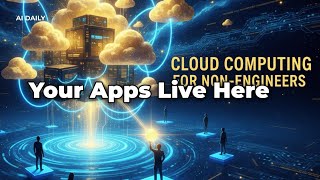
 DeepCamp AI