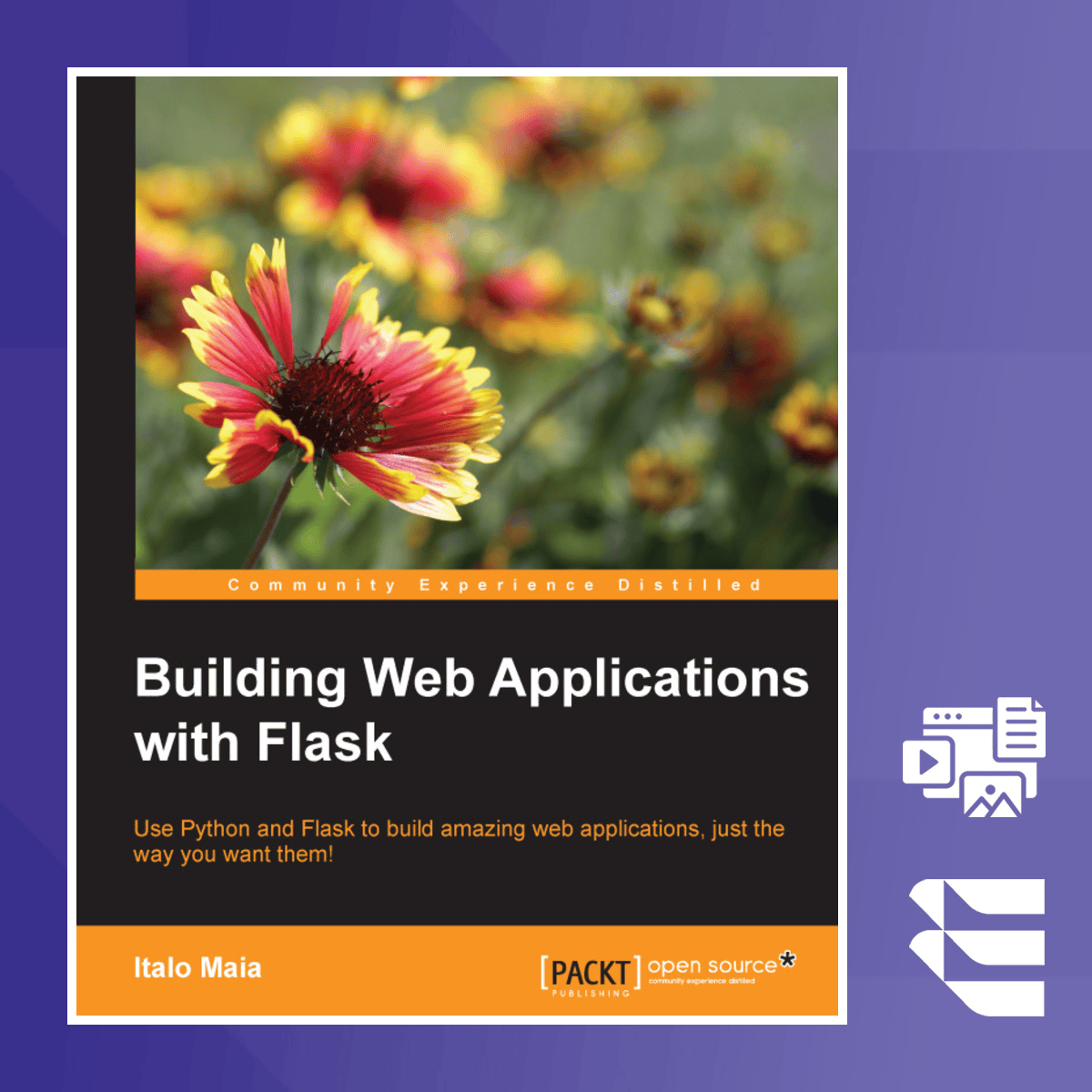
Building Web Applications with Flask
Key Takeaways
Builds scalable web applications using Python and Flask framework
Original Description
This course focuses on using Python and Flask to create scalable, maintainable web applications. Flask's lightweight framework will empower you to build custom, fully-featured applications, adhering to best industry practices. Whether you're new to web development or looking to enhance your existing Flask skills, this course is designed to provide a comprehensive learning experience.
Throughout the course, you will gain hands-on experience in building single-page applications, rendering dynamic content, and implementing secure form handling. By mastering Flask’s extensions and incorporating secure authentication techniques, you'll be well-equipped to develop real-world applications that meet modern standards.
What sets this course apart is its project-driven approach, which encourages you to apply theory to practical, real-world scenarios. You will build a scalable web application from the ground up, using the same techniques professionals use in the field. By the end, you'll be confident in your ability to deploy Flask applications in production environments.
This course is perfect for Python developers familiar with basic web development who want to take their Flask skills to the next level. A foundational understanding of Python and web concepts is recommended, but no advanced experience is required.
Watch on External: Coursera ↗
(saves to browser)
Sign in to unlock AI tutor explanation · ⚡30
More on: Backend Performance
View skill →







Related Reads
📰
📰
📰
📰
When to Use an ORM vs SQL and Query Builders
Dev.to · Doogal Simpson
Alarmas que despiertan por causa real, no por un número random
Dev.to · Franchesco Romero
[MM’s] Boot Notes — Understanding Bean Registration Mechanisms
Medium · Programming
Why should you still learn Java in 2027?
Medium · Programming
🎓
Tutor Explanation

 DeepCamp AI