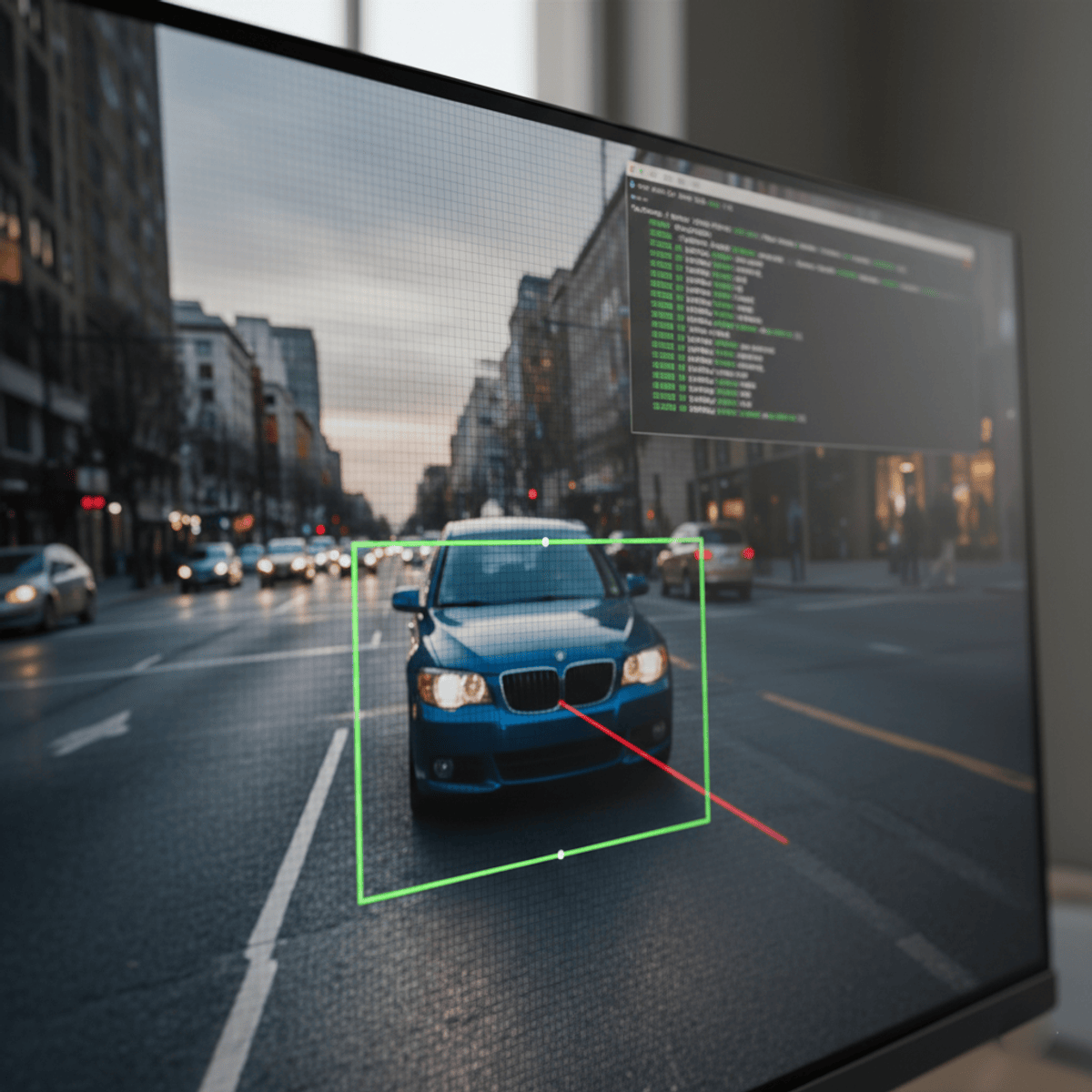
Analyze Video Data Using OpenCV and Python
Key Takeaways
Analyzes video data using OpenCV and Python, applying color models, image preprocessing, and object detection techniques
Original Description
By the end of this course, learners will be able to analyze video data, apply color models, implement image preprocessing techniques, and build object detection and tracking solutions using OpenCV and Python. They will gain the ability to process real-time and recorded video streams, extract meaningful visual features, and apply motion analysis algorithms to solve practical computer vision problems.
This course benefits learners by providing a structured, hands-on pathway from foundational concepts to advanced video analytics techniques. Learners will develop industry-relevant skills in image loading, thresholding, contour detection, color-based tracking, blob detection, optical flow, and face tracking—capabilities that are essential for applications in surveillance, automation, robotics, and intelligent video systems.
What makes this course unique is its end-to-end focus on practical video analytics workflows using OpenCV with Python shells. Rather than isolated theory, the course emphasizes progressive skill-building through real-world use cases, clear algorithmic explanations, and implementation-oriented learning. The modular design ensures learners can confidently transition from understanding visual data representation to deploying advanced tracking and motion analysis techniques in real-world scenarios.
Watch on External: Coursera ↗
(saves to browser)
AI explanation not available for this lesson yet
This lesson is still being prepared for the AI tutor. In the meantime, explore lessons that are ready.
Browse explainer-ready lessons →
More on: CV Basics
View skill →




Related Reads
📰
📰
📰
📰
Your Face Just Became 512 Numbers — And the Store Doesn't Need Your Name
Dev.to AI
You may not know it… but a camera can identify you in seconds.
Medium · Machine Learning
Dice Object Detection Using an RCNN-Inspired Deep Learning Model with TensorFlow
Medium · Machine Learning
Dice Object Detection Using an RCNN-Inspired Deep Learning Model with TensorFlow
Medium · Deep Learning
🎓
Tutor Explanation

 DeepCamp AI