
Advances in Generative AI
Key Takeaways
Explores advances in generative AI and autonomous systems
Original Description
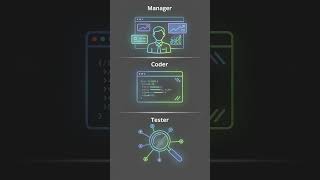
In this course, you’ll learn how generative AI systems evolve from tools into more autonomous, goal-driven systems—and what that means for how they are built, evaluated, and used in the real world. You’ll explore how foundational models, feedback loops, tools, and memory combine to create agent-like behavior, and how modern AI systems are designed as coordinated “teams” rather than single models. Along the way, you’ll examine how AI is being applied in areas like scientific discovery and complex workflows, while also learning how to evaluate performance, manage risk, and design systems responsibly. By the end of the course, you’ll be able to think like an orchestrator—someone who can guide, oversee, and safely deploy increasingly capable AI systems in your field.
Watch on External: Coursera ↗
(saves to browser)
Sign in to unlock AI tutor explanation · ⚡30
More on: Agent Foundations
View skill →






Related Reads
📰
📰
📰
📰
The envelope everyone is building for AI agents — and why I'm not shipping it
Dev.to AI
How We Built a Self-Hosted AI Interviewer with Next.js, Supabase, and WebSockets
Dev.to AI
Stack Overflow Is Dying. The AI That Killed It Could Be Next.
Dev.to AI
Designing an AI phone answering workflow: intake, routing, fallback
Dev.to AI
🎓
Tutor Explanation
 DeepCamp AI