Modal — Deep Dive

📰 Dev.to AI

Learn how Modal Labs provides a high-performance, Python-native compute platform for data scientists, ML engineers, and AI researchers, and how it can help eliminate infrastructure tax
intermediate Published 24 Jul 2026
Action Steps
  1. Explore Modal Labs' platform to understand its capabilities
  2. Run a pilot project using Modal's Python-native compute platform
  3. Configure your existing ML workflow to integrate with Modal
  4. Test the performance of your models on Modal's infrastructure
  5. Compare the costs and benefits of using Modal versus traditional cloud providers
Who Needs to Know This

Data scientists, ML engineers, and AI researchers can benefit from Modal's platform to streamline their workflow and focus on model development, while DevOps teams can leverage Modal's infrastructure to improve deployment efficiency

Key Insight

💡 Modal Labs' platform is designed to provide a seamless and efficient experience for data scientists, ML engineers, and AI researchers, allowing them to focus on model development rather than infrastructure management

Share This
💡 Modal Labs provides a high-performance compute platform for AI workloads, eliminating infrastructure tax for data scientists and ML engineers

Key Takeaways

Learn how Modal Labs provides a high-performance, Python-native compute platform for data scientists, ML engineers, and AI researchers, and how it can help eliminate infrastructure tax

Full Article

Company Overview Modal Labs has established itself as the definitive infrastructure layer for the modern AI era. In a market saturated with generic cloud providers and fragmented serverless offerings, Modal has carved out a niche as the high-performance, Python-native compute platform designed specifically for data scientists, ML engineers, and AI researchers. Founded with a mission to eliminate the "infrastructure tax" that developers pay when moving code f
Read full article → ← Back to Reads

Related Videos

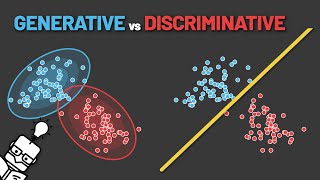
Generative vs Discriminative Models - Explained
DataMListic
Class 14 Machine Learning ( S 2 25 AIMLZG 565) Prof. Kiruthiga A R 20260503 133253 Meeting Recording
Karthik Sundara Rajan
Class 13 Machine Learning ( S 2 25 AIMLZG 565) Prof. Kiruthiga A R 20260426 133418 Meeting Recording
Karthik Sundara Rajan
Class 15 Machine Learning ( S 2 25 AIMLZG 565) Prof. Kiruthiga A R 20260510 133228 Meeting Recording
Karthik Sundara Raajan
Class 12 Machine Learning ( S 2 25 AIMLZG 565) Prof. Kiruthiga A R 20260425 133139 Meeting Recording
Karthik Sundara Rajan
Class 11 Machine Learning ( S 2 25 AIMLZG 565) Prof. Kiruthiga A R 20260412 133157 Meeting Recording
Karthik Sundara Rajan