Comparing Two Eval Runs by Their Average Pass Rate Is the Wrong Test
📰 Dev.to · Maya Andersson
Comparing eval runs by average pass rate can be misleading, learn why and how to do it correctly
Action Steps
- Run multiple versions of your model against the same eval set to collect pass rate data
- Calculate the average pass rate for each model version
- Apply statistical tests, such as the t-test or ANOVA, to compare the pass rates of different model versions
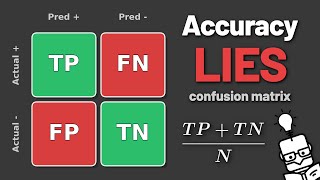
- Consider using alternative metrics, like precision, recall, or F1 score, to get a more comprehensive understanding of model performance
- Visualize the pass rate distributions for each model version to identify potential outliers or biases
Who Needs to Know This
Data scientists and machine learning engineers can benefit from understanding the limitations of average pass rate comparisons to improve their model evaluation and selection processes.
Key Insight
💡 Comparing average pass rates can be misleading due to the potential for outliers, biases, and statistical fluctuations
Share This
Don't compare eval runs by average pass rate alone! Learn why and how to do it correctly #MachineLearning #ModelEvaluation
Key Takeaways
Comparing eval runs by average pass rate can be misleading, learn why and how to do it correctly
Full Article
TL;DR. You run version A and version B against the same 500-item eval set. A passes 71.4 percent, B...


 DeepCamp AI